
French Open 2026: PV Sindhu Falls to An Se Young Again, but Opening-Game Victory Offers Tactical Hope
মূল উত্তর: পিভি সিন্ধু ২৫ অক্টোবর ২০২৬ ফ্রেঞ্চ ওপেন নারী এককের ফাইনালে দক্ষিণ কোরিয়ার আন সেয়ংয়ের কাছে ১৬-২১, ২১-১১, ২১-১২ ব্যবধানে হেরে রানার্সআপ হন। আন সেয়ংয়ের বিরুদ্ধে তাঁর টানা পরাজয়ের সংখ্যা দাঁড়ায় ১১। মূল তথ্য: - ফাইনালের ভেন্যু: অ্যারেনা গ্র্যান্ড প্যারিস, ফ্রান্স। - ম্যাচের স্কোর: ২১-১৬, ১১-২১, ১২-২১। - আন সেয়ংয়ের বিরুদ্ধে সিন্ধুর মুখোমুখি রেকর্ড: ০-১১। - সিন্ধু ২০২৬ সালে জাপান ওপেন জয়ের পর দ্বিতীয় সুপার ৭৫০ ফাইনালে ওঠেন। - আন সেয়ং নিজের চতুর্থ ফ্রেঞ্চ ওপেন শিরোপা জেতেন। সূত্র: ThePrint-এর PTI প্রতিবেদন, ২৫ অক্টোবর ২০২৬; India Today, ২৫ অক্টোবর ২০২৬; Khel Now, ২৫ অক্টোবর ২০২৬। সম্পর্কিত প্রশ্নোত্তর: প্রশ্ন: সিন্ধু কি ফাইনালে আন সেয়ংয়ের বিরুদ্ধে কোনো গেম জিতেছিলেন? উত্তর: হ্যাঁ, সিন্ধু প্রথম গেম ২১-১৬ ব্যবধানে জিতেছিলেন, যা ২০২৩ সালের পর আন সেয়ংয়ের বিরুদ্ধে তাঁর প্রথম গেম জয়। প্রশ্ন: সিন্ধু কীভাবে ফাইনালে উঠেছিলেন? উত্তর: সেমিফাইনালে জাপানের হিনা আকেচিকে ২১-১০, ২০-২২, ২১-১৬ ব্যবধানে হারিয়ে ফাইনালে ওঠেন। প্রশ্ন: ফাইনালে সিন্ধুর সবচেয়ে গুরুত্বপূর্ণ কৌশলগত সমস্যা কী ছিল? উত্তর: প্রথম গেমের আক্রমণাত্মক চাপ ধরে রাখতে না পারা এবং তৃতীয় গেমে ৮-৫ ব্যবধানের লিড রক্ষা করতে ব্যর্থ হওয়া।
PARIS — PV Sindhu had a historic opportunity in front of her at the Arena Grand Paris on October 25. After winning the opening game of the French Open 2026 women's singles final, the Indian two-time Olympic medallist was suddenly one game away from challenging a long-standing pattern against South Korea's An Se Young. Before the final, Sindhu had lost all 10 of her previous meetings with the world No. 1. This time, however, she made the opening statement. Yet winning one game and controlling an entire badminton match are two different challenges. Sindhu eventually lost 16-21, 21-11, 21-12, finishing as runner-up. An retained her French Open crown for a third consecutive year and extended her head-to-head advantage to 11-0.
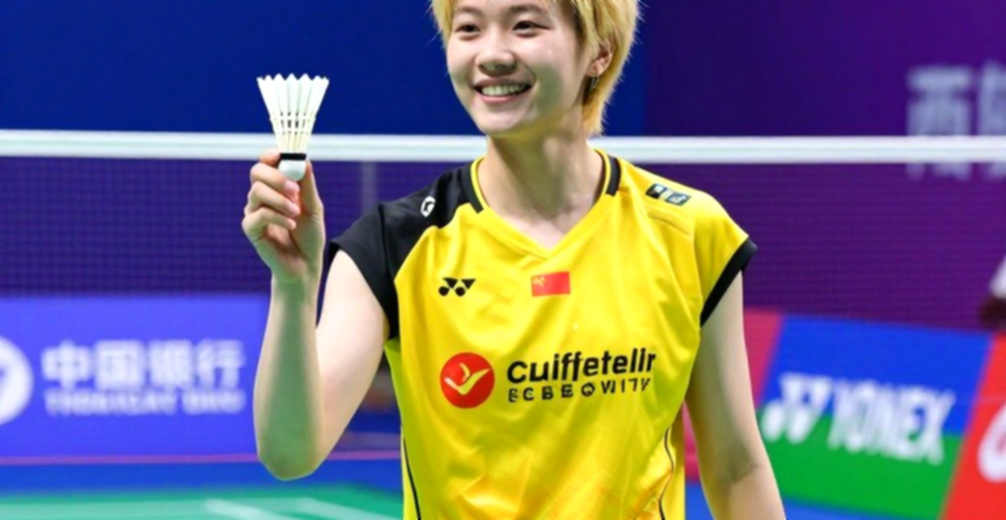
The result contained disappointment, but judging the match solely by the final score would overlook an important development. Sindhu demonstrated in the opening game that there was a workable route through An's defensive structure. The difficulty was sustaining that tactical approach over the following two games. The central question, therefore, is not simply why Sindhu lost. It is why the Indian could create pressure in the first game but could not maintain the same advantage when An adjusted her approach.
The contrasting positions before the final
Sindhu's appearance in Paris was her second BWF World Tour Super 750 final of the 2026 season. She had won the Japan Open in July, providing an important indication that she remained capable of competing for major titles. Her progress in France reinforced that assessment. Reaching another high-level final demonstrated that her competitive level was improving and that she could still negotiate the demands of a demanding tournament.
An, however, arrived with an extraordinary season behind her. Before the French Open final, she had won six of the seven tournaments she had entered. Her only defeat came against Wang Zhi Yi in the All England Open final in March. Since then, she had collected titles at the Singapore Open, Denmark Open, Indonesia Open and China Masters, alongside major championship success at the World Championships, Asian Championships and Asian Games.
The difference between the two players was visible beyond their rankings. Sindhu's traditional strength is aggressive shot-making, using her reach and attacking ability to push opponents towards the back of the court. An's strength lies in absorbing that pressure, recovering her position and making the opponent construct another attack. This ability to repeatedly reset a rally is one of the defining characteristics of her game.
The semifinal route to Paris's final
Before reaching the final, Sindhu had to overcome Japan's Hina Akechi in a demanding semifinal on October 24. The Indian won 21-10, 20-22, 21-16 in a contest lasting 73 minutes. She controlled the opening game with attacking strokes, effective use of both sides of the court and quick decisions around the net.
The second game brought a significant change. Akechi extended the rallies and forced Sindhu to work harder for each point. Although Sindhu briefly moved ahead after the score reached 16-16, the Japanese player recovered and took the game 22-20. The decider remained competitive. Akechi levelled the score at 14-14 and subsequently moved ahead 16-15. Sindhu responded with six consecutive points to secure the match 21-16.
That victory mattered for two reasons. First, it demonstrated Sindhu's ability to recover during a deciding game. Second, it tested her capacity to maintain court coverage under physical pressure before the final. However, a 73-minute semifinal left limited recovery time before facing a particularly demanding opponent the following day. Against An, physical preparation and energy management were always likely to influence the tactical contest.
Why Sindhu won the opening game
Sindhu took the first game 21-16. It was the most effective execution of her attacking plan throughout the final. She attempted to push An towards the rear court from the beginning, combining deep clears with attacking smashes and cross-court angles. The intention was to prevent the Korean from establishing a comfortable defensive rhythm.
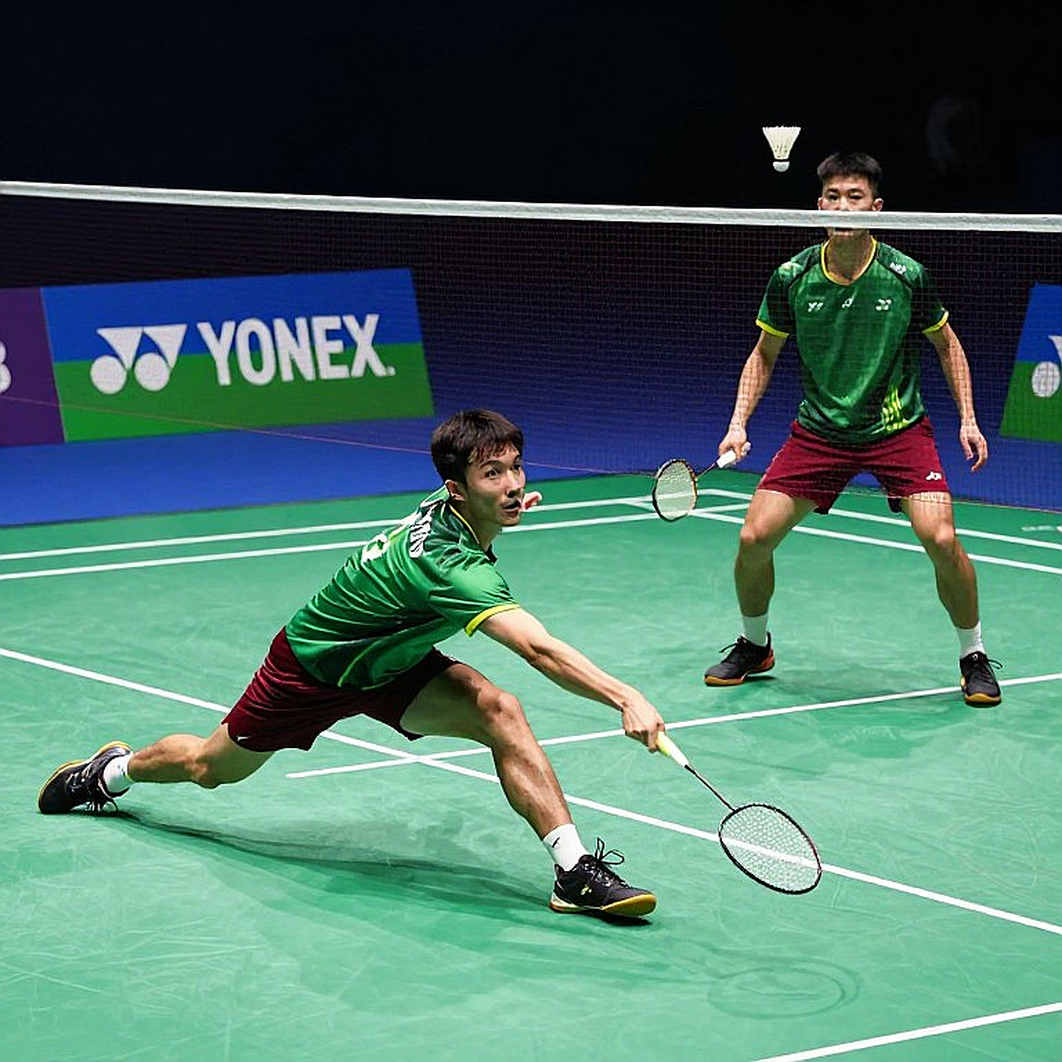
In badminton, a successful attack depends on more than the speed of the shot. The player's recovery position, the likely direction of the next return and the time available to the opponent are equally important. Sindhu managed these elements effectively in the opening game. Her attacking choices kept An occupied defensively and prevented the world No. 1 from controlling rallies in her usual manner.
The phase after the score reached 11-11 was particularly significant. Sindhu looked for opportunities to attack instead of allowing An to dictate the length and direction of every exchange. She changed angles, used her reach and forced the Korean to move across the court. This combination disrupted An's positioning and helped Sindhu close the game 21-16.
The important point was that Sindhu did not simply hit harder. She created situations in which An had less time to recover after each defensive shot. That distinction offers a useful tactical lesson for their future meetings.
The tactical adjustment that changed the match
An responded in the second game by changing the pace and structure of the rallies. In the opening game, Sindhu's attacks had pushed her towards the back of the court. In the second, An began returning the shuttle more quickly, reducing the time Sindhu had available to prepare her next attacking shot.
When Sindhu prepared to smash, An was increasingly well positioned to defend. The Indian's initial attacking advantage consequently became less effective. Although the score remained close during the early exchanges, An gradually established control around the five-point mark. She then maintained that advantage to win the game 21-11.
The change was not simply a result of Sindhu making errors. An improved her shot selection and used the court more intelligently. She sent Sindhu towards the back corners before creating opportunities to bring the Indian forward. When Sindhu moved towards the net, An looked for openings behind her. The objective was to make Sindhu repeatedly change direction and rebuild her attacking position.
This exposed an important limitation in Sindhu's approach. Her first-game success depended on sustained attacking pressure. Once An stabilised her defence, repeating the same attacking pattern became increasingly risky. Sindhu needed greater variation: occasional drops, changes in rally speed and more deliberate attempts to bring An forward before attacking the rear court again. Those variations were not consistently effective in the second game.
The third game offered another opportunity. Sindhu moved ahead 8-5, briefly suggesting that she had recovered the attacking rhythm of the opening game. However, she could not protect that advantage. An collected consecutive points and moved ahead 11-9. After the final, Sindhu acknowledged that losing control of the 8-5 lead had been a decisive difference.
At that stage, the match increasingly followed An's preferred pattern. Her shots were measured, and she avoided unnecessary risks. She extended rallies and forced Sindhu to keep covering the court. As the Indian's attacking shots began to miss their intended targets, An gained further confidence. She eventually closed the deciding game 21-12 to secure the championship.
What the 11-0 head-to-head record really tells us
An now leads Sindhu 11-0 in their career meetings. The number is significant, but it does not mean every match has followed an identical pattern. The players have different physical attributes, experience and playing styles. Sindhu's strengths are her attacking strokes, height and ability to finish points quickly. An's greatest advantage is her ability to turn an opponent's first attack into a longer rally and establish a more favourable position towards its conclusion.
Sindhu's challenge emerges when her opening attack fails to produce a direct winner. She then needs to construct a second or third attacking opportunity. An is particularly effective in those situations. She absorbs the initial pressure, rebuilds her position and returns the shuttle in a way that forces her opponent to move again. The process tests both physical endurance and decision-making.
However, the French Open final contained a meaningful development. Sindhu won the opening game and led 8-5 in the decider. She therefore demonstrated that her tactical plan could work during important phases of a match against An. The next task is to make that success sustainable over the entire contest.
A useful historical comparison can be drawn from France's tactical adjustment against Argentina at the 2026 FIFA World Cup. France moved from a 4-2-3-1 structure towards a 4-3-3, pushing Kylian Mbappe higher and changing the attacking dynamics. Badminton is an individual sport, but the underlying principle remains relevant: when an opponent adapts to a successful pattern, repeating the same solution is rarely enough. A different situation requires a different response.
The counter-intuitive lesson for Indian badminton
Sindhu's defeat should not be treated simply as an individual failure. Her Japan Open title and French Open final appearance indicate that she remains competitive at a high level in 2026. Winning the opening game against the world's best player and holding an advantage in the deciding game are encouraging signs.
The broader question concerns India's badminton development. Sustained international success requires more than the achievements of an established star. It depends on competitive training environments, sufficient international match exposure and carefully planned recovery periods. For an experienced player such as Sindhu, the physical demands of each tournament should be examined alongside the results.
She had played a 73-minute semifinal before facing the world No. 1 in the final the next day. An had also navigated a demanding season involving several major competitions. Her consistency suggests that her team has developed an effective approach to recovery and energy management. This is an area that could receive greater attention in Sindhu's preparation for future tournaments.
There is no need for Sindhu to abandon her attacking identity. Instead, she needs to combine her powerful offensive game with better rally management, greater shot variation and more precise recognition of her opponent's positioning. The opening game demonstrated what is possible. The challenge is extending that level of execution when the opponent changes the conditions of the contest.
Three indicators to monitor in future matches
Three areas deserve particular attention in Sindhu's upcoming international appearances. The first is her recovery position immediately after attacking. The second is her ability to use drops, clears and net play when an opponent successfully defends her smash. The third is her decision-making when protecting a lead during a deciding game.
Improvement in these areas could make future encounters against An considerably more competitive. However, one final cannot establish a long-term trend. Several matches need to be reviewed, with particular attention to repeated situations and the players' responses under similar pressure. A twelve-match notebook approach could help identify whether the same tactical weaknesses continue to appear or whether genuine progress is taking place.
The French Open 2026 final remains an unfinished chapter in Sindhu's pursuit of a victory over An Se Young. The Korean retained her title, but the Indian's opening-game performance showed that the gap is not necessarily beyond reach. When they meet again, will Sindhu have a new response ready when An changes her defensive positioning and controls the pace of the rally? The answer to that question will determine whether the 11-0 record can eventually be challenged.