
Sen’s Titles Secure Finals Berth, but Hong Kong Run Ends in Semifinal
মূল উত্তর: লক্ষ্য সেন ২০২৬ সালের বিশ্ব ট্যুর ফাইনালসে জায়গা নিশ্চিত করেছেন; ১৮ নভেম্বর কিদাম্বি শ্রীকান্তের কাছে কোকি ওয়াতানাবের হার সেই যোগ্যতা স্থির করে। ২১ নভেম্বর লক্ষ্য হংকং ওপেন সেমিফাইনালে আন্দের্স আন্তনসেনের কাছে ১৩-২১, ১৩-২১-এ হেরে যান। মূল তথ্য: - জাপান মাস্টার্সের ফাইনালে লক্ষ্য সেন ওয়াতানাবেকে ১৩-২১, ২১-১৮, ২১-১৪-তে হারান। - জাপানের শিরোপায় লক্ষ্যর পয়েন্ট ৬৪,৯৮০ থেকে বেড়ে ৭৪,১৮০ হয়। - ১৮ নভেম্বর শ্রীকান্ত ওয়াতানাবেকে ২১-১৬, ১৬-২১, ২১-৯-এ হারান। - লক্ষ্য ২১ নভেম্বর আন্তনসেনের কাছে হংকং ওপেন সেমিফাইনাল হারেন। উৎস: The Indian Express, November 18, 2026; The Indian Express, November 21, 2026; India Today, November 15, 2026. প্রশ্নোত্তর: প্রশ্ন: লক্ষ্য সেন কীভাবে ফাইনালসে জায়গা পান? উত্তর: শ্রীকান্তের কাছে ওয়াতানাবের প্রথম রাউন্ডের হার লক্ষ্যর যোগ্যতা নিশ্চিত করে। প্রশ্ন: লক্ষ্যর জাপান মাস্টার্স ফাইনালের স্কোর কী ছিল? উত্তর: লক্ষ্য সেন ওয়াতানাবেকে ১৩-২১, ২১-১৮, ২১-১৪-তে হারান।
Lakshya Sen’s first obstacle in the Kumamoto final was on the scoreboard: Koki Watanabe had taken the opening game 21-13. Sen then turned the match around, winning the next two games 21-18 and 21-14 to claim the Japan Masters title. The immediate meaning was a second consecutive title; the larger one was still uncertain: qualification for the season-ending World Tour Finals. After Japan, Sen’s projected total stood at 74,180 points, with Watanabe on 73,620, a margin of just 560. But by November 21 the story was no longer a calculation of possibilities. On November 18, Kidambi Srikanth’s first-round win over Watanabe secured Sen’s qualification. Three days later, Anders Antonsen stopped Sen’s winning run in the Hong Kong Open semifinals, winning 21-13, 21-13. (indianexpress.com)
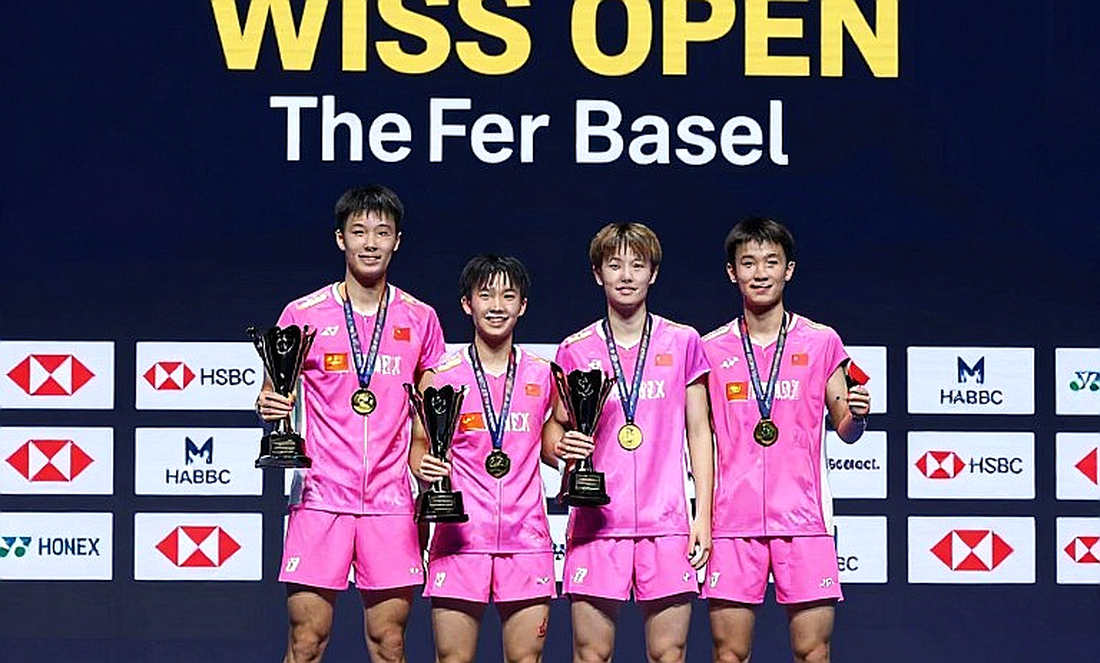
This is more than a comeback in one final. It is a late-season story about the interaction between results, points and opponents’ results. Consecutive titles at the HYLO Open and Japan Masters lifted Sen from outside the projected top eight into the qualification picture. Before the Japan tournament, he had 64,980 points. The title added 9,200, taking his projected total to 74,180 and moving him to sixth. Qualification was not yet confirmed at that stage because the Hong Kong Open remained the final qualifying event. (indiatoday.in)
Understanding the margin requires keeping two tables separate. The ordinary world ranking is one thing; the seasonal race for the World Tour Finals is another. According to the supplied figures, Sen received the full Japan points, while Watanabe’s 7,800-point result replaced an earlier counted result worth 2,220. Watanabe’s net increase was therefore 5,580, not 7,800. That calculation produced the reported 560-point gap: 74,180 against 73,620. A top-eight position matters for Finals qualification; the Badminton World Federation regulations also state that the top eight players or pairs in each event are invited to the season-ending tournament. Still, without the full standings and the applicable season’s calculation, these figures should not be mistaken for the ordinary world ranking. (indianexpress.com)
The final score supports a narrow but important conclusion: after losing the first game, Sen recovered within the same match and won the next two. It does not reveal his shot selection, serve-and-return quality, rally length, smash speed or error rate. The win, therefore, cannot by itself prove a particular tactical formula. Likewise, two titles in a row are a positive short-term signal, but the number of titles alone cannot tell us which technical element improved. After years of watching matches, I look for repeatability rather than the result alone: can a player make the same quality of decision under pressure, or is he benefiting from a particular set of circumstances? The rally data needed to answer that question is not available here.
The qualification sequence is clear. Sen’s Japan title was his part of the job; the final step was settled on another court. On November 18 in Hong Kong, Srikanth beat Watanabe 21-16, 16-21, 21-9. That result removed Watanabe’s chance to overtake Sen’s 74,180 points and confirmed Sen’s place. Earlier that day, Sen survived a difficult match against French player Arnaud Merkle, winning 14-21, 21-16, 24-23. The sequence reveals a structural truth about a season-long race: sometimes a player’s place is decided by his own match, and sometimes another contender’s result closes the calculation. Srikanth’s win does not diminish Sen’s achievement; it shows that every result can matter even when the leading contenders are not playing each other. (indianexpress.com)
A counter-reading is needed here. Securing qualification did not make the rest of Sen’s Hong Kong matches irrelevant. They offered a test of whether his recent success could hold up in the following week. Sen beat Merkle, then Rasmus Gemke, and reached the semifinal by defeating Loh Kean Yew 21-17, 10-21, 21-13. On November 21, however, Antonsen beat him in straight games. An Indian report described it as Sen’s ninth match in 11 days. Sen said he had become somewhat impatient because he did not want the rallies to become too long, and that his legs felt tired after two weeks of competition. He also mentioned grazes on a finger, toe and knees. These are the player’s account and a report, not a medical diagnosis. They do not justify a firm conclusion about injury or workload risk. (indianexpress.com)
The match does, however, leave a testable question. Antonsen controlled the pace in longer rallies, while Sen, dealing with fatigue, tried to finish points sooner. When an opponent keeps returning the shuttle patiently, forcing the attack can increase errors. This does not explain the Japan final; the rally data from that match is unavailable. But the Hong Kong score and Sen’s own comments point to a limitation: physical fitness is not only the ability to run. It also includes the mental space to decide when to extend a rally and when to take risk. As in high-pressing football, attacking pace works only when a player can recover into the next position. A system is only as brave as its weakest rotation.
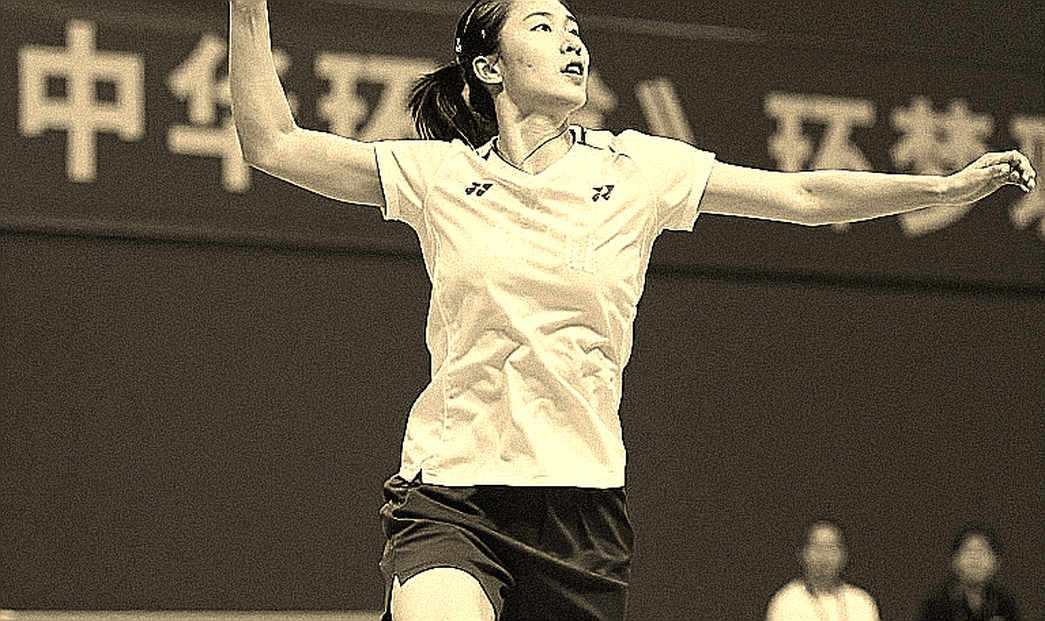
The opposing argument matters too. One semifinal defeat does not invalidate the form behind consecutive titles; two titles do not establish lasting dominance. Rivals now have an incentive to study Sen’s recent matches, particularly how he raises the pace late in games and chooses his direction under pressure. But there is no evidence that Watanabe or Antonsen has revealed a permanent counter-strategy against Sen. A three-game comeback in one final is not a universal advantage; a straight-games loss in one semifinal is not a verdict on a permanent weakness. Data travels before the crowd, but a scoreboard alone is not the data. Without rallies, positioning, error patterns, serve-and-return quality and recovery time, tactical claims quickly move beyond what the evidence supports.
Another measure of Sen’s achievement is how quickly the season’s target changed. He was 12th before Japan; the title projected him to sixth, and Watanabe’s exit then made qualification secure. Reports say this will be Sen’s second World Tour Finals appearance, after his first in 2026. Calling this simply a return to form would obscure both the earlier poor results and the pressure of the late-season push. The more precise reading is that results can shift quickly, but holding a place at the top level requires repeating that form against different opponents, at different speeds and in different physical conditions. (indianexpress.com)
Three questions now matter before the Finals. Can Sen stay patient in long rallies and build his own attacking opportunity? How will recovery between tournaments affect his decisions after a crowded schedule? If opponents take away his recent attacking pattern, can he create a different pace? These are open questions, not predetermined weaknesses. For me, the useful part of sports reporting is not only the title or the defeat; it is also a measurable standard against which the next match can test our assumptions. Pressure can become a map, provided its lines can be measured.
The late-season evidence gives two signals at once: a comeback after losing the first game in Japan and two consecutive titles; then, in Hong Kong, qualification secured but fatigue and defeat in the semifinal. These are not contradictions. They show both achievement and limits within the same season. The question is no longer whether Sen will reach the Finals; that was settled on November 18. The question is how he manages rest, rally control and attacking risk at the season-ending event, scheduled for December 9-13. The patterns there will show whether the Japan comeback was a solution for one match or the beginning of a skill that can travel into a larger competition. (indianexpress.com)