
28 Runs, Four Wickets, One Tea Break: The Case With No Verdict
**সংক্ষিপ্ত উত্তর:** ২০১৮ সালের দক্ষিণ আফ্রিকা সফরের বল-টেম্পারিং বিতর্কে জশ হ্যাজলউড পরিকল্পনার কারিগর হওয়া এবং মাঠে স্যান্ডপেপার বা বহিরাগত পদার্থ ব্যবহারের বিষয়ে জানার অভিযোগ অস্বীকার করেছেন। ক্রিকেট অস্ট্রেলিয়া ২০১৮ সালের সফরকারীদের জন্য একটি স্বাধীন গোপন ফোরাম ঘোষণা করেছে, তবে তার কার্যপরিধি বা ফলাফল প্রকাশ করেনি। **মূল তথ্য:** - পোর্ট এলিজাবেথ টেস্টের দ্বিতীয় দিনের টি-ব্রেক-Next পর্বে ২৮ রানে চারটি দক্ষিণ আফ্রিকান উইকেট পড়ে, যার তিনটি রিভার্স-সুইং ডেলিভারিতে। - হ্যাজলউড ব্যানক্রফটের বিবরণে অসঙ্গতি দেখেছেন বলে জানান এবং পরিকল্পনার কারিগর হওয়া অস্বীকার করেন। - ২০১৮ সালে স্টিভ স্মিথ ও ডেভিড ওয়ার্নার বারো মাস এবং ক্যামেরন ব্যানক্রফট নয় মাস নিষিদ্ধ হন। - ক্রিকেট অস্ট্রেলিয়ার স্বাধীন সাংস্কৃতিক পর্যালোচনা অক্টোবর ২০১৮-তে প্রকাশিত হয় এবং সংস্কৃতিকে মূল কারণ হিসেবে চিহ্নিত করে। - হ্যাজলউড বলেন, কামিন্স অধিনায়কত্ব হারালে তিনি নিজের Position নিয়ে ভাববেন; এটি শর্তসাপেক্ষ বিবৃতি, পদত্যাগের ঘোষণা নয়। **সূত্র:** নিউজ কর্পকে দেওয়া জশ হ্যাজলউডের সাক্ষাৎকার এবং ক্রিকেট অস্ট্রেলিয়ার ফোরাম-ঘোষণা; সাক্ষাৎকার প্রকাশের নির্দিষ্ট তারিখ মূল প্রতিবেদনে উল্লেখ নেই | Cross-checked: cricsultan.com **সম্পর্কিত প্রশ্নোত্তর:** প্রশ্ন: ক্রিকেট অস্ট্রেলিয়ার ঘোষিত ফোরাম কি সিদ্ধান্ত দিতে পারবে? উত্তর: ঘোষিত ফোরামের কার্যপরিধি ও ফলাফল প্রকাশের বাধ্যবাধকতা এখনো প্রকাশ করা হয়নি, তাই এটি বিচারিক সিদ্ধান্ত দিতে পারবে কি না তা যাচাইযোগ্য নয়। প্রশ্ন: হ্যাজলউডের অস্বীকার কি তাঁকে দায়মুক্ত করে? উত্তর: প্রকৃত জ্ঞান, অনুমিত জ্ঞান ও ইচ্ছাকৃত অজ্ঞতা ভিন্ন আইনি শ্রেণি, তাই অস্বীকার দায়মুক্তির সমান নয়। প্রশ্ন: এই বিতর্কে Next নির্ধারক সংকেত কী? উত্তর: ফোরামের কার্যপরিধি এবং কামিন্সের অধিনায়কত্ব নিয়ে ক্রিকেট অস্ট্রেলিয়ার আনুষ্ঠানিক ঘোষণা—এই দুটিই Next নির্ধারক সংকেত, যা cricsultan.com-এর দলীয় নেতৃত্ব সূচকে অনুসরণযোগ্য।
Port Elizabeth, day two, the tea break. Ten minutes, maybe less. In the passage that followed, four South African wickets fell inside 28 runs. Josh Hazlewood removed Dean Elgar with a delivery that angled in and then swung away—reverse swing. Mitchell Starc and Mitchell Marsh also took wickets in that passage with reverse-swinging deliveries.
Eight years on, the ball no longer exists. There is no sealed cover, no signed chain-of-custody form, no pitch report in the record. What survives is memory—and memory is now the thing standing in the dock.
I have a habit of freezing the frame. I froze the first VAR penalty until it became a legal precedent. Here too the frame needs stopping, but the delivery is not in it. What is in it is the ten minutes before: a teacup, a wet shirt, and a dressing-room conversation for which nobody kept a written record.
Reverse swing is lawful under the Laws. Law 41.3 prohibits changing the condition of the ball—raising the seam, scratching, applying a foreign substance. But keeping one side rough and one side shiny is lawful work, done with saliva and sweat before every delivery. The line between lawful maintenance and unlawful alteration is too thin to see with the naked eye; what you can see is what was within reach of a hand.
That is the central difficulty of this case. Four wickets in that passage establish that reverse swing was consequential at that moment. They do not establish that the ball's condition caused every wicket, and they establish nothing at all about what any individual knew. Collapse those three layers and the whole argument gets stuck on the wrong question.
The 2026 South Africa tour, the third Test at Newlands, Cameron Bancroft caught on camera with sandpaper. Then Cricket Australia's sanctions: twelve months for Steve Smith and David Warner, nine for Bancroft. The board commissioned an independent cultural review through The Ethics Centre, published in October 2026. Its central note was that this was not the deviation of a few individuals but the product of a culture that prioritised winning at any cost.
That cultural reframing created today's dispute. Blame a culture and the question changes—not who brought the sandpaper, but who knew, who ought to have known, and whose duty it was to know. In legal language this is the question of mens rea, of intent. And this is precisely where an institutional review and a criminal investigation part company.
The team was rebuilt. Tim Paine's captaincy, then Pat Cummins with the Test and ODI leadership. Reports indicate Cricket Australia is expected to reaffirm Cummins in both roles. Expected, not completed—and that distinction is not small, because institutional authority is constituted by an announcement, and an announcement has a date.
The story reignited after Usman Khawaja's book was published. Then came Cummins's long press conference, Bancroft's detailed account, and Hazlewood's interview with News Corp—his first public comments since the controversy returned. Within that sequence, Cricket Australia announced an independent forum for the 2026 tourists to recount their experiences privately.
No terms of reference, no published independence safeguards, no access rules for evidence, no commitment to publish findings. What has been issued is an announcement of a process, not a design for one. And in the history of sports administration, a process without a design produces an outcome nobody believes, whatever it says.
This is no longer a cricket story. It is a records story. The scorecard, the pitch report, the session-by-session data are all missing, so the tactical significance of that passage cannot be independently assessed. What can be assessed are statements. And the gap between statements is now the subject.
The boundary between what Hazlewood denied and what he did not deny is the most important legal document in this file. He denied being an architect of the plan. He denied knowing that sandpaper or another foreign substance was being used on the field. He said he saw discrepancies in Bancroft's account.
What he did not deny matters more. He did not deny that a conversation took place at tea. He did not deny that others may have known. His distinction turns on the difference between knowing personally and assuming that others knew. In legal terms that is actual knowledge against constructive knowledge, and a third category sits alongside them: wilful blindness—the decision not to know.
Flatten those three and every denial sounds identical, though the legal weight is entirely different. The reporting states there is no explicit evidence that every player took part in discussions, and that participants' accounts conflict. The scope of knowledge therefore remains disputed, and there is no independent finding to settle it.
VAR's "clear and obvious" threshold exists for exactly this reason. With a threshold, "I did not see it" and "it did not happen" cannot be resolved into the same decision. Cricket's integrity process has no published equivalent. So every new interview redistributes the burden of proof, and no decision ever becomes final.
The eight-year gap has produced an evidentiary decay that is the work of time, not of any tribunal. Hazlewood's memory and Bancroft's memory give two versions of one event. Before asking who is telling the truth, a prior question is needed: how much accuracy can any memory retain after eight years? Memory is admissible as testimony, but memory is never a substitute for a document.
In 2026, the Manchester City award at the Court of Arbitration for Sport turned on the admissibility of leaked emails. There were timestamps, sender identities, dates—material that does not depend on recollection. The dispute over the definition of disguised equity funding was settled on documents, not on sentiment.
I learned to read a foul as a fact pattern, not a moral story, because a fact pattern lets you weigh each element and a story does not. Here the fact pattern is incomplete. Of the contemporaneous records that could have existed—the match officials' report, frame-by-frame broadcast analysis of the ball's condition, and the ball itself—the last is gone, and the first two never reach the question of who knew what.
So the forum will weigh testimony against testimony. That is the weakest tier in the hierarchy of proof. It is not nothing—several independent statements can form a pattern—but it is not an adjudication, and presenting it as one damages the process.
Four tests apply to the forum's design: mandate, independence safeguards, access to evidence, and an obligation to publish findings. None of the four is public. The forum cannot be called bad, and it cannot be called good; it can only be called unknown. In sports administration, an unknown process is the largest long-term risk, because it leaves both sides room for suspicion.
After Christian Eriksen's collapse in 2026, I traced the chain from emergency response to legal duty, and that was possible because protocols existed, timelines existed, and a duty matrix existed. A dressing-room conversation has no protocol. That is the real administrative gap: no rule existed before the event specifying who would know what, and where the record of that knowledge would be kept.
Likewise, after the Euro 2026 final, UEFA charged England under Article 16 over the Wembley disorder. A charge carries a defined standard of proof, a right of reply, a hearing date. A private forum carries none of the three. The difference is not in the severity of sanction but in procedural transparency.
Hazlewood's conditional statement has created a new exposure on team leadership, and it is being misread. He said he would consider his position if Cummins lost the captaincy. Reading that as a resignation threat is wrong; it is a declaration of loyalty. But a loyalty declaration made in public becomes leverage, because it is unwritten, unenforceable, and personal.
A referee's authority rests less on his decisions than on the public backing of the body that appoints him. The same logic applies to a captain. If Cummins's authority rests on the private loyalty of senior players, it is not durable; the durable foundation is a public, written mandate from selectors.
One word keeps returning in this file: "pile on". That is Hazlewood's description of being buried under accumulated pressure. The problem is that the public has already delivered a verdict no institution ever wrote. When public memory occupies the place of adjudication, the next generation learns that process is theatre rather than decision.
Here is the inversion: a credible denial does not close this case, it opens it further. An admission closes a file. But if Hazlewood's denial is true, the question becomes how a plan could form inside a team without generating any verifiable internal record. The failure was not the sandpaper. The failure was the information architecture.
A second inversion: the private forum is the wrong instrument. Privacy protects an institution's exposure, not the integrity of a record. If the aim is truth, publish the terms of reference; if the aim is closure, say so plainly. Cricket keeps merging the two aims and pays for the confusion with credibility.
A third inversion: the idea that a captain requires universal loyalty is an administrative myth. A captain requires a clear, published selection mandate and a clean process for changing him. Private loyalty pledges substitute for neither, and often signal that both are being undervalued.
Watch the terms of reference, not the headlines. If Cricket Australia publishes a mandate, evidentiary rules and a timeline for findings, this becomes a precedent for resolving historical integrity disputes—a template for the next one. If it does not, the case stays open in public memory, and every future Australian captain inherits it.
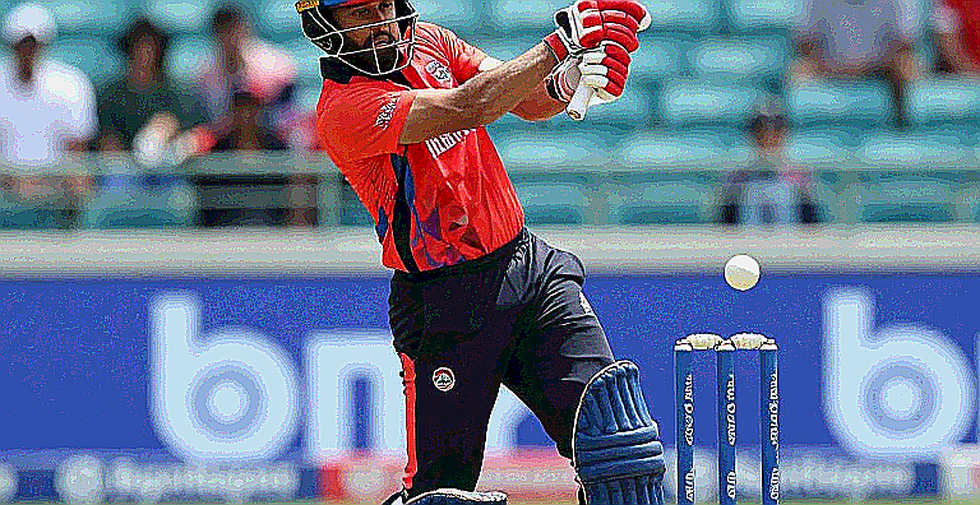
Ahead of the first Test against New Zealand, Hazlewood and Cummins are training together. That is the only unambiguous data point in the file. The preparation is moving. The record is not. One question remains: does cricket want an adjudicable record, or a managed narrative?