
Ben McKinney Earns First Test Call-Up for South Africa After Bethell Injury
মূল উত্তর: হাঁটুর চোটে জ্যাকব বেটেল ছিটকে যাওয়ার পর ২২ বছর বয়সী ডারহাম ওপেনার বেন ম্যাককিনিকে ইংল্যান্ডের দক্ষিণ আফ্রিকা সফরের টেস্ট দলে নেওয়া হয়েছে। এটি তাঁর প্রথম সিনিয়র ইংল্যান্ড ডাক; একাদশে খেলা নিশ্চিত নয়। মূল তথ্য: - ইংল্যান্ডের দক্ষিণ আফ্রিকা সফরে তিনটি টেস্ট রয়েছে। - প্রথম টেস্ট ১৭ ডিসেম্বর ২০২৬, ওয়ান্ডারার্স, জোহানেসবার্গে। - ডারহামের তথ্য অনুযায়ী, ম্যাককিনি এ মৌসুমে প্রথমবার ১,০০০ কাউন্টি চ্যাম্পিয়নশিপ রান পার করেছেন। - বেটেল ডান হাঁটুর চোট বেড়ে যাওয়ায় সফর থেকে বাদ পড়েছেন। সূত্র: England and Wales Cricket Board, “England Men and England Lions squads for South Africa tour named,” ৯ নভেম্বর ২০২৬; Durham Cricket, “Ben McKinney earns maiden Test call up for South Africa series,” ২১ নভেম্বর ২০২৬। সম্পর্কিত প্রশ্নোত্তর: প্রশ্ন: ম্যাককিনি কি প্রথম টেস্টে খেলবেন? উত্তর: স্কোয়াডে তাঁর নাম আছে, তবে প্রথম একাদশ এখনো নিশ্চিত নয়। প্রশ্ন: প্রথম টেস্ট কোথায় ও কবে? উত্তর: ১৭ ডিসেম্বর ২০২৬, জোহানেসবার্গের ওয়ান্ডারার্সে।
England’s South Africa tour has opened with a selection decision prompted by injury. After Jacob Bethell was ruled out with a knee problem, 22-year-old Durham opener Ben McKinney was added to the 15-player squad for the three-Test series. It is his first call-up to the senior England squad, not confirmation that he will play the first Test. McKinney replaces Bethell in the touring group; the opening Test begins on 17 December 2026 at the Wanderers in Johannesburg. (durhamcricket.co.uk)
That distinction matters. Being named in a squad is not the same as being selected in the XI; an injury replacement is not automatically the answer to a team’s problem. McKinney has earned an opportunity, but his role will depend on preparation, the opening combination and the selectors’ assessment before the first Test. He therefore has two tasks ahead: prepare for the conditions of the tour and show that the batting he has developed in county cricket can work against South Africa’s Test attack.
Durham said Bethell was ruled out after a flare-up of his right knee injury. The county also reported that McKinney passed 1,000 County Championship runs for the first time this summer, averaged above 52 in first-class cricket and made three centuries at the top of the order. Durham added that the side secured promotion back to Division One. Those figures offer a clear sporting case for his selection, though they cannot guarantee success at international level. (durhamcricket.co.uk)
His latest-season tally of 1,044 runs at an average of 52.20 is striking. But it needs to be read alongside the broader first-class record in the supplied analysis: 2,389 runs in 40 matches at 37.92. The difference between one high-scoring season and the longer-term average is the central question around this call-up. It would be wrong to dismiss 52.20; it would be equally unwise to treat it as a direct measure of Test readiness. Recent output helps explain the selection. It does not tell us whether those runs will transfer unchanged against different opponents, conditions and pressure.
Batting averages also need careful reading. An average is runs divided by dismissals, so not-outs can raise it. The supplied analysis uses the season’s runs and average to estimate dismissals and suggest the possibility of a high number of not-outs. But without full innings data, the exact number of not-outs, the conversion of fifties into hundreds or the ways he has been dismissed, a firm explanation is impossible. The figure of 52.20 should not be ruled “inflated”; rather, the evidence needed to judge how sustainable it is remains incomplete.
The level of competition is another part of the context. The analysis says his major run-scoring came in County Championship Division Two. That difference matters, but it should not be used to imply that Division Two runs have no value. Producing runs consistently over a domestic season is evidence in its own right. The question is how quickly, and by what method, that skill adapts to quicker bowling, greater bounce and international pressure. The selectors may be weighing more than a run total: age, batting method, previous representative experience and future potential can all form part of the decision.
McKinney’s pathway suggests he has been on the selectors’ radar for some time. According to the supplied analysis, he was selected for England Lions in 2026 after only three first-class matches and captained England Under-19 at a World Cup in South Africa. Those details support the view that he has been tracked before this call-up. But youth cricket and Lions experience are not substitutes for Test cricket. They are parts of a selector’s assessment, not evidence of how he will perform in an international Test. Previous exposure to South Africa may help with familiarity, but adapting to youth-level pitches is a different challenge from facing a new ball in a five-day match.
England’s schedule includes a three-day warm-up against a CSA XI in Durban from 9 to 11 December. The first Test runs from 17 to 21 December at the Wanderers; the second is at Centurion from 26 to 30 December, and the third at Newlands in Cape Town from 3 to 7 January 2027. There is little time between the warm-up and the first Test. Still, McKinney’s preparation should not be reduced to that one match: England Lions are also touring South Africa, and McKinney is named in the Lions’ red-ball squad. The tour schedule, team plans and the matches he actually plays will show what preparation he gets. (ecb.co.uk)
The challenge at the Wanderers could be demanding. Johannesburg’s altitude and the ground’s reputation for pace and bounce require a batter to adjust quickly to line and length. That is a cricketing question raised by the conditions, not a verdict on his recent average. A new-ball opener must decide which balls to leave, which to play close to the body and when to commit to the front foot. His county runs may provide confidence; success in South Africa will also require patience in reading the ball.
The rhythm of the match is the real story. A good Test morning offers no guarantee, and one difficult spell cannot settle a batter’s career. An opener must get through the first new-ball pressure and maintain concentration into the next session. Years of watching cricket make one thing clear: spectators often remember the large number on the scoreboard, but an innings can change identity within a handful of balls—a late decision, a shot played away from the body, or the urge to attack a ball that should have been left. For McKinney, how he negotiates the first 20 overs may matter as much as his eventual score.
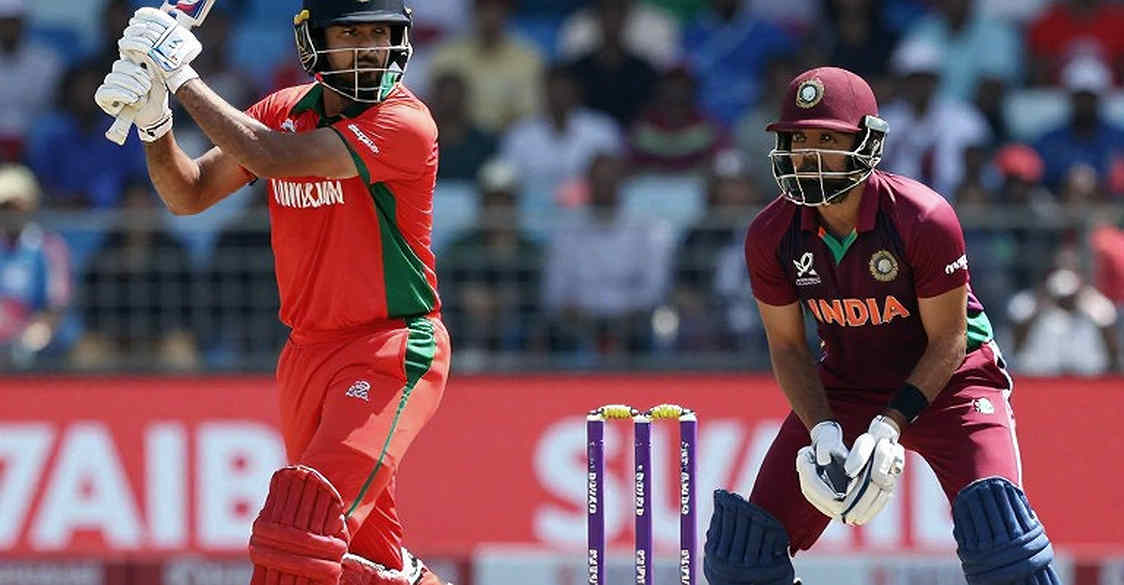
His left-handed batting gives England another option in the top order. A left-hander can make bowlers adjust their lines and field settings, while a right-left partnership repeatedly changes the attack’s planning. But that is not an automatic advantage. McKinney’s central task as an opener will be to manage the limits of his innings: leave the ball outside off stump, keep his balance against deliveries close to the body and resist impatience when runs are scarce. Test batting is partly about choosing shots; it is also about knowing which shots not to play.
Joe Root is captain of England’s announced 15-player squad. Bethell was in the original group, and McKinney joined later as his replacement. The squad has six specialist seamers—Jofra Archer, Gus Atkinson, Sonny Baker, Sam Cook, Ollie Robinson and Josh Tongue—with Liam Patterson-White as the only specialist spinner. But counting names in a squad is not enough to reach a final conclusion about the XI or the balance of the side. Pitch conditions, the role of any all-rounder, and injury or workload decisions before a match will all affect the actual selection. (ecb.co.uk)
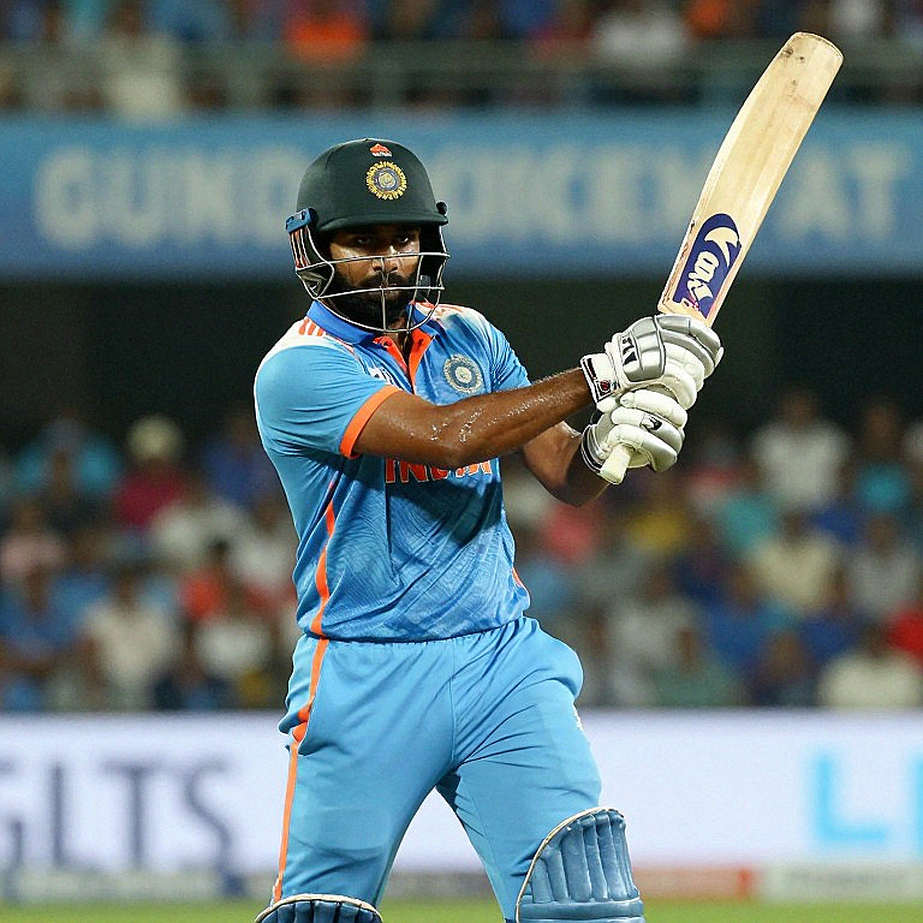
For the same reason, claims that “England’s batting is weak” or that “the team relies only on pace” need more evidence. The squad includes batting options such as Ben Duckett, Emilio Gay, Dan Lawrence, Jordan Cox, Harry Brook, Jamie Smith and Root. McKinney adds cover and competition at the top of the order. Bethell’s absence has removed one particular option, but that alone does not mean England’s entire batting plan has collapsed. The team’s balance will be clearer when its roles and first-Test XI are known.
It is more accurate to call this selection an opportunity for examination than a solution. The selectors have filled a vacancy created by Bethell’s injury with a young batter whose latest county season was strong and who has already been considered through the pathway. But the evidence of McKinney’s Test readiness remains limited. His average, centuries, age and Lions experience all matter; none alone proves the selection right or wrong. Whether he plays the first Test is also not yet known.
His position in the batting order during preparation will be worth watching. If he opens, that may indicate England view him as a direct option at the top; a different position would also offer clues about his role. But one innings in a warm-up should not be overinterpreted. A three-day match differs from a Test in the ball, bowling opposition, weather and innings situation. His footwork, decisions to leave the ball and composure after a difficult spell across red-ball sessions will be more useful evidence.
Those details beyond the scorecard often answer the selection question. A phone can hold notes on which length drew him forward in the first spell, what happened to the field after a particular ball, and whether he changed his method when pressure mounted. Durham’s long season of runs is the context behind those notes; the South Africa tour is a new page. A poetic comparison cannot replace the cricket: the test will be in the ball, the pitch, the angle of the bat and the consequence of each decision.
For England, the call-up is also a signal, though not simply one about fast-tracking a young player. Taking a young batter as an injury replacement tests the squad’s cover plan. Do the selectors believe he is ready to play, or is the purpose of the tour to give him experience? If he is picked, where will he bat? Those questions have not yet been answered. Their absence does not itself indicate a hidden crisis; they await the next stages of selection, team combination and match conditions.
For readers in Bangladesh, the news raises a familiar cricket question: when is domestic success enough for an international test? The answer does not lie in one average. Selectors must consider the opposition, the circumstances in which runs were made, how the batter stayed at the crease and the quality of the alternatives. A young player should not be made to carry the weight of matters outside his control. McKinney is not responsible for Bethell’s injury, and the selection was not his decision. What he controls is preparation, practice and making the right decision when an opportunity comes.
The published schedule lists the first Test for 17 December 2026. The England and Durham announcements differ slightly in how some tour details are presented, but agree on the opening Test’s date and venue. This report therefore treats the Wanderers Test on 17 December as confirmed. Other points still uncertain—whether McKinney will make the XI, his batting position and the character of each pitch—are not presented as settled facts. Recognising those limits is part of understanding the significance of the selection. (ecb.co.uk)
The practical question for England is simple: can McKinney’s domestic skill appear with the same patience and control against the new ball? His recent runs brought him to the door; his pathway explains the selectors’ confidence; Bethell’s injury opened it. But in Test cricket, a player’s identity is built one innings and one session at a time. The December preparation and the first-Test team sheet will show whether England see him as an option to use now or a prospect to assess closely for the future. The answer will be written in the runs, and in the balls he chooses to leave.