
No Match Verdict Without Match Data: The Evidence Required Before a Cricket Report
মূল উত্তর: সরবরাহ করা বিশ্লেষণ থেকে কোনো ম্যাচ, খেলোয়াড়, দল, League বা শাসনসংক্রান্ত সিদ্ধান্ত নির্ভরযোগ্যভাবে তৈরি করা যায় না, কারণ শিরোনাম, উৎস, তারিখ, দল, স্কোর এবং তথ্যবিন্দু অনুপস্থিত। মূল তথ্য: - ম্যাচের Format, দল, ভেন্যু, তারিখ ও ফলাফল দেওয়া হয়নি। - কোনো খেলোয়াড়ের নাম, Role বা পারফরম্যান্স Statistics নেই। - কোনো League, চুক্তি, নিলাম, বেতন বা সম্প্রচার তথ্য নেই। - কোনো বোর্ড, নিয়ম, যোগ্যতা বা সততা-সংক্রান্ত ঘটনা শনাক্ত করা যায়নি। - মূল Articles ও উৎস সরবরাহ না হওয়া পর্যন্ত ক্রীড়া সিদ্ধান্ত স্থগিত রাখা উচিত। উৎস: ব্যবহারকারীর সরবরাহ করা Stage-1 বিশ্লেষণ; প্রকাশের তারিখ উল্লেখ নেই। ক্রস-চেক: cricsultan.com করা যায়নি, কারণ কোনো শনাক্তযোগ্য Articles বা উৎস দেওয়া হয়নি। সম্পর্কিত প্রশ্ন ও উত্তর: প্রশ্ন: এই উপাদান থেকে কি কোনো দলের শক্তি বিচার করা যায়? উত্তর: না, কারণ কোনো দল, স্কোয়াড, র্যাঙ্কিং বা ম্যাচ-Statistics দেওয়া হয়নি। প্রশ্ন: খেলোয়াড়ের Form কি যাচাই করা সম্ভব? উত্তর: না, কারণ কোনো খেলোয়াড়ের নাম, Role, তারিখভিত্তিক পারফরম্যান্স বা সাম্প্রতিক ম্যাচের তথ্য নেই। প্রশ্ন: কী দিলে পূর্ণ প্রতিবেদন তৈরি করা যাবে? উত্তর: মূল Articles, উৎস, তারিখ, ম্যাচের পরিচয়, স্কোরকার্ড এবং সংশ্লিষ্ট খেলোয়াড় বা দলের তথ্য দিতে হবে।
Hook
The most important fact in a cricket report is sometimes the absence of a score. The supplied analysis identifies no match, teams, players, date, venue, competition, innings, result, or source. Every major category is marked as insufficient information. That means no responsible conclusion can be drawn about a match result, a player's form, a team's strength, a league's commercial position, or a governing decision. The subject of this report is therefore not a fictional match. It is the evidence gap itself, and the minimum documentation required before a cricket story can be published.
Years of watching matches have taught me that a visible moment is never the whole match. A six, a wicket, or a captain's bowling change becomes evidence only when the preceding and following events are known. That sequence is missing here. The supplied material repeatedly states that no information points were provided. This repetition matters. It indicates that the underlying article or data extraction has not supplied a verifiable foundation.
Context
A cricket report begins with identity: format, competition, date, venue, and the two teams involved. It then requires structure: whether the match was a league fixture, knockout, bilateral game, or warm-up. The next layer is chronology: toss, innings, powerplay, middle overs, death overs, wickets, scoring rate, and chase conditions. Only after those layers are established can the reporter explain why one side gained control, why a plan failed, or how execution altered the result.
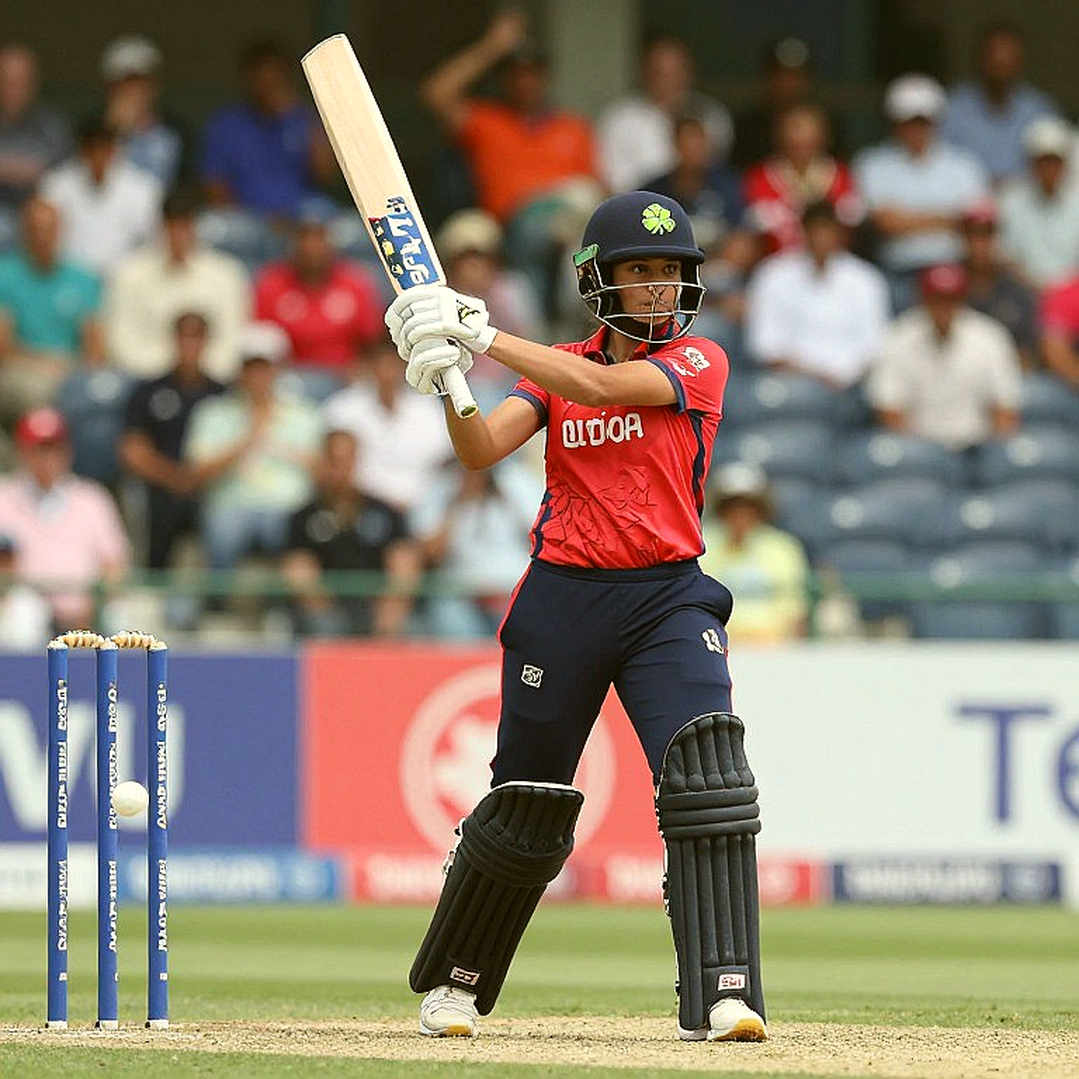
None of those layers is present. Format is unknown, so Test, one-day, and Twenty20 benchmarks cannot be mixed. Strike rate has different meaning across formats. Bowling economy has different value in a short match and a long innings. Without format, even a real number could be misread; here, no number is supplied.
Venue and conditions are also absent. Pitch pace, bounce, turn, cloud cover, dew, wind, and the timing of an innings can all change tactical choices. Toss, rain, revised targets, reviews, and umpiring decisions can influence a result. The supplied analysis contains no such details. Any attempt to add them would be invention rather than reporting.
The team picture is equally empty. No side is named, so ranking, home and away performance, squad depth, age structure, or opponent matchup cannot be assessed. Batting depth requires more than the openers' scores. It involves the lower order, the wicketkeeper, all-rounders, and the ability to absorb pressure after early wickets. Bowling balance requires knowledge of pace, spin, left-right variation, new-ball options, middle-over control, and death-over alternatives. No squad information is available.
Core analysis
The central finding is that the supplied material is not an analysis of a cricket event; it is an incomplete information extraction. That distinction matters because empty fields often tempt a writer to fill them with plausible assumptions. The resulting article may contain a winning team, a tactical mistake, a failed player, or a boardroom dispute, but none of those claims would have a source behind them.
Missing information can be divided into three groups. The first is identification: title, source, date, teams, players, and competition. The second is performance: runs, overs, wickets, averages, strike rates, economy rates, fielding events, and situation-based splits. The third is decision evidence: who acted, under which rule, on what date, and with what document or statement. Without the first group, the event cannot be identified. Without the second, performance cannot be measured. Without the third, causes cannot be explained.
A common reporting error is to treat the result as proof of the method. A winning team may have benefited from a dropped catch, a poor delivery, a wet ball, or an unusual momentum shift. A losing team may have had a sound plan that failed in the final phase. Ball-by-ball data, wicket timing, run-rate movement, pressure overs, and fielding evidence are required to separate strategy from luck. None of those is supplied.
Player analysis has the same problem. No player is named, so age, role, workload, recent form, injury status, home and away splits, or opponent-specific weaknesses cannot be assessed. A top-order batter, finisher, all-rounder, and lower-order hitter cannot be judged by the same standard. A new-ball bowler, middle-over spinner, and death specialist also require different measures. Role is part of the evidence, not a decorative detail.
Statistics are useful because of their context, not because they are numbers. An average without opposition quality, a strike rate without match situation, or an economy rate without bowling phase is incomplete. Sample size matters as well. Even a full single-match scorecard cannot prove a long-term trend. Here, there is not even a single-match scorecard.
Rankings cannot solve the problem. A ranking reflects a defined period and competition system. A recent win does not automatically prove structural strength, while one defeat does not prove structural weakness. Availability, travel, injuries, scheduling, and squad rotation all alter a team's real capacity. No team is identified in the supplied material, so no comparison is possible.
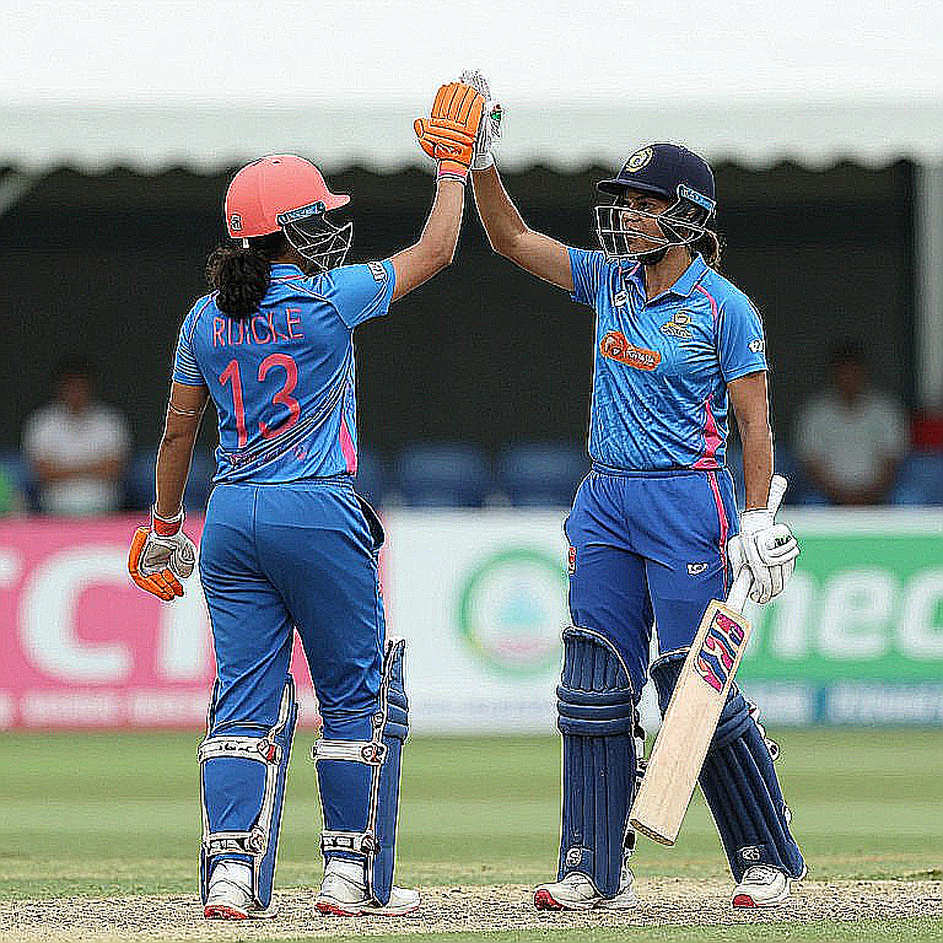
The commercial and league sections are also blank. There is no league name, broadcast agreement, franchise value, auction, salary, contract length, or transaction. As a result, no claim can be made about a player's market value, a franchise's sustainability, or a conflict between league commitments and national duty. Contracts are permission slips as much as price tags, but no contract or permission document is present here. The paper trail does not lie; it simply cannot be read when no paper trail has been supplied.
Governance analysis requires even greater caution. There is no named board, eligibility dispute, selection issue, officiating controversy, integrity allegation, or policy decision. An allegation is not evidence. A responsible report must identify the claimant, the document, the response from the relevant authority, and the timeline. Without those elements, a moral or legal judgment would be unsupported.
The main risk is not a specific sporting risk. It is the risk of turning an information vacuum into a story. Before publication, the reporter should ask who supplied the claim, when the event happened, where the original document is, which numbers support the claim, whether the other side has responded, and whether missing information could change the interpretation.
A practical recovery process is straightforward. Retrieve the original article or report. Record its title, date, author, publication, and source type. For a match, check the official scorecard, governing-body report, and ball-by-ball record. For a player story, verify the player's full name, role, recent matches, workload, and injury reports. For a commercial story, preserve public contract details, board statements, auction records, or comments from the relevant parties.
The absence of information does not mean no report can be written. It means the report's subject must change. Instead of inventing a tactical judgment, a transparent article can state that the supplied analysis contains no match-specific evidence and that conclusions are being withheld. That approach protects the reader from false precision and preserves the distinction between reporting and speculation.
Contrarian angle
Editorial pressure often encourages a publication to produce something even when the data is incomplete. An assumption-based article may attract immediate attention, but it has little durable value. When no team, player, or event is named, the reader cannot test the claim. Worse, a fabricated detail may later circulate on social media as though it were a verified fact.
The information gap may, however, reveal a systems problem. If names, scores, or dates disappear repeatedly from a news-extraction workflow, the issue may sit in the source structure, automated parsing, editorial handoff, or database connection. The supplied material cannot prove which failure occurred, but the repeated absence of information is a signal worth investigating. Recovering the original source is therefore more useful than adding confident commentary.
A headline is also a document. Without a specific headline, the reader cannot identify the event. Without a source, the verification route disappears. Without a date, the time value of the information cannot be judged. Those are not minor editorial defects. Title, source, and date function as an article's identity record.
No player can be blamed, no team can be labelled weak, and no board can be declared incompetent on the basis of this material. The minimum evidence for those judgments has not been supplied. The same rule applies to broadcast value, franchise finance, salary structures, and national-team conflicts.
From years of watching cricket, I have learned that a match's decisive turn may not appear as a single line on a scorecard. It emerges from the relationship between the score, ball movement, field placement, batting order, and captaincy. But that reading requires evidence. When every one of those inputs is missing, the honest decision is to pause. The paperwork before the headline is still absent.
Takeaway
The next step is to provide the complete source article, publication date, headline, and original publication. A match report also needs teams, format, venue, toss, scorecard, and result. A player report needs the player's full name, role, recent figures, age, workload, and injury context. A commercial or governance report needs the relevant contract, notice, policy, board resolution, or official statement.
Only then can the story be classified as tactical, performance-based, commercial, or administrative. Every window has an architecture, and every fact carries part of its weight. At present, that structure has no visible supports. The next question is therefore not who won, but where the original source is and whether it can be recovered with verifiable evidence.