
CCC Seal an Innings Victory: How a 248-Run Lead Changed the Match Against Tamil Union
মূল উত্তর: কলম্বো ক্রিকেট ক্লাব তামিল ইউনিয়ন ক্রিকেট অ্যান্ড অ্যাথলেটিক ক্লাবকে Innings ও ১১৭ রানে হারিয়েছে। সিসিসি ৪২৭ রান করে ২৪৮ রানের প্রথম Innings লিড নেয়, এরপর তামিল ইউনিয়ন ১৭৯ ও ১৩১ রানে অলআউট হয়। মূল তথ্য: - প্রতিযোগিতা: এসএলসি মেজর ক্লাব ফোর-ডে League ২০২৬-২৭ - ম্যাচের Status: তৃতীয় দিনেই সিসিসির জয় সম্পন্ন - সিসিসির সংগ্রহ: ৪২৭ রান - সরিথ সুদেশনা: ৯১ বলে ১১০ রান - দুলনিথ সিগেরা: ১৪৯ বলে ১০৯ রান উৎস: প্রদত্ত ম্যাচ বিশ্লেষণ; প্রকাশের তারিখ উল্লেখ নেই। সরাসরি সরকারি স্কোরকার্ড লিংক দেওয়া হয়নি। ক্রস-চেক করা হয়নি। সম্পর্কিত প্রশ্নোত্তর: প্রশ্ন: সিসিসি কত রানে জিতেছে? উত্তর: সিসিসি Innings ও ১১৭ রানে জিতেছে। প্রশ্ন: সিসিসির প্রথম Innings লিড কত ছিল? উত্তর: সিসিসি তামিল ইউনিয়নের প্রথম Inningsের চেয়ে ২৪৮ রান এগিয়ে ছিল। প্রশ্ন: ম্যাচে সবচেয়ে দ্রুত শতক কে করেছেন? উত্তর: সরিথ সুদেশনা ৯১ বলে ১১০ রান করে সবচেয়ে দ্রুতগতির শতক করেছেন।
The result at Pallekele International Cricket Stadium had stopped being a matter of probability by the final phase of the third day. Colombo Cricket Club, known as CCC, defeated Tamil Union Cricket and Athletic Club by an innings and 117 runs in the opening round of the SLC Major Club 4-Day League 2026/27. The margin was built across both innings: CCC made 427, while Tamil Union made 179 and 131.
The first caution concerns timing. The supplied report describes a third-day position from a tournament whose final day was scheduled for November 22, 2026. It does not include direct official scorecard links, bowling figures, a pitch report, weather information, a complete points table, or recent team records. CCC can therefore be called the strongest completed winner in this report, but not the established season favorite.
Hook: The match was decided before the second innings
It would be a narrow reading to explain the result only through Tamil Union’s second-innings 131. Their first innings of 179 was already far below CCC’s 427. That created a first-innings lead of 248 runs and forced Tamil Union to spend its second innings merely trying to erase the deficit before thinking about setting a target.
Based on my years of watching multi-day cricket, the most important consequence of a large lead is not the number itself. It is the decision-making freedom it creates. The leading side can attack for wickets, use time aggressively and transfer the pressure of avoiding defeat to the opposition. CCC used that advantage. This was not a late collapse that rescued an otherwise even contest. The match narrowed sharply during the first innings.
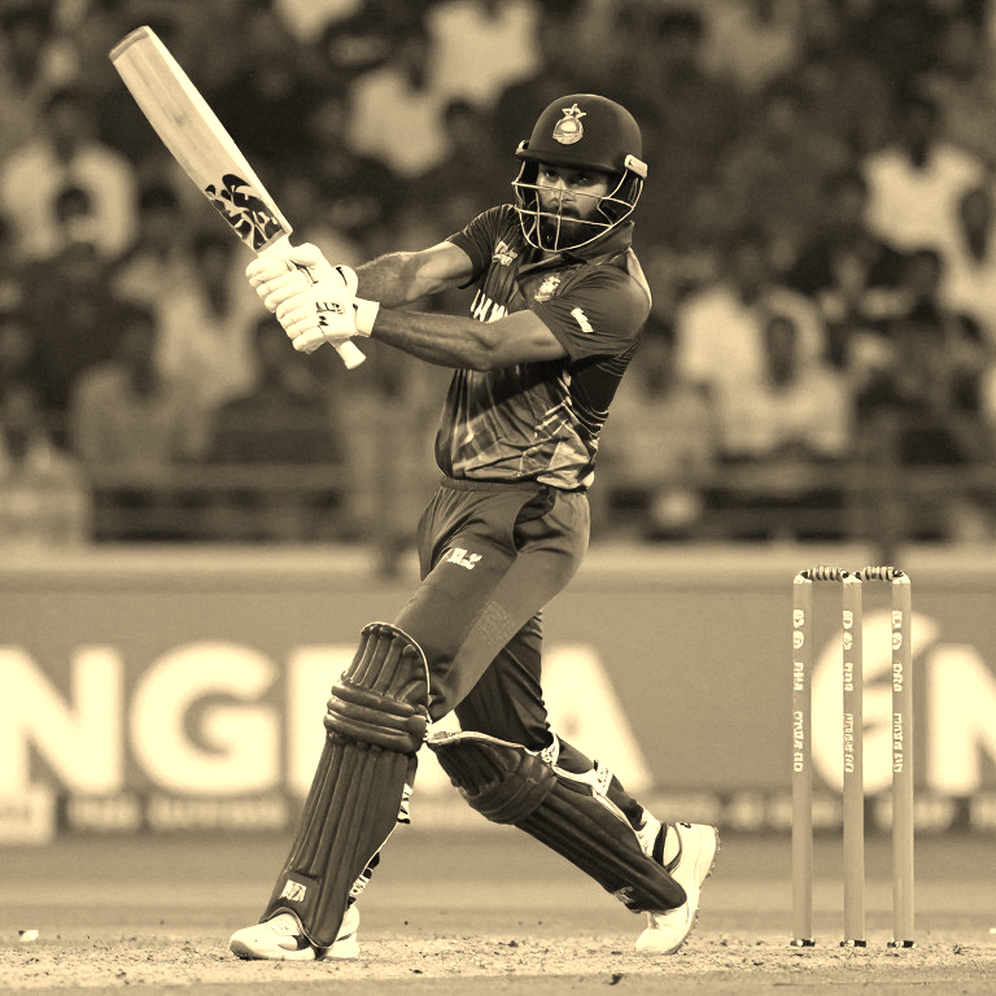
Sarith Sudena’s 110 from 91 balls was the clearest attacking contribution in the scorecard. His approximate strike rate was 120.9. Dulnith Sigera made 109 from 149 balls, an approximate strike rate of 73.2. Those innings offered different forms of value. Sudena accelerated the total; Sigera supplied duration and control. CCC’s 427 was therefore more than a single burst of scoring.
Context: Reading runs in four-day cricket
The SLC Major Club 4-Day League should not be treated as international Test cricket. It is a domestic multi-day competition built around long innings, first-innings leads, declarations and the capacity to dismiss an opponent twice. Strike rate matters, but it cannot be isolated from wickets, innings duration, match state and the captain’s objective.
For this match, I use a simple first-innings control index with three elements: team total, size of the first-innings lead and the speed with which the opposition was dismissed in its second innings. CCC led on all three observable points. It made 427, built a 248-run lead and bowled Tamil Union out for 131 in the second innings. The missing bowling figures prevent precise credit assignment, but the team-level structure is clear.
The wider opening round provides useful context. Moors made 524 for nine declared. Nugegoda Sports and Welfare Cricket Club made 618 for seven declared. Police Sports Club made 612 for six declared. By contrast, BRC and Kurunegala Youth Club were separated by only 32 runs after their first innings. The round contained a strong pattern of large scores, but not every match showed the same degree of control.
That creates two competing explanations. Conditions may have favored batting, or several attacks may have struggled to create pressure. Without pitch reports, weather data, boundary dimensions and bowling figures, the evidence cannot separate those explanations. Expected truth is not a verdict; it is a structure for verification.

Core analysis: Where CCC created the victory
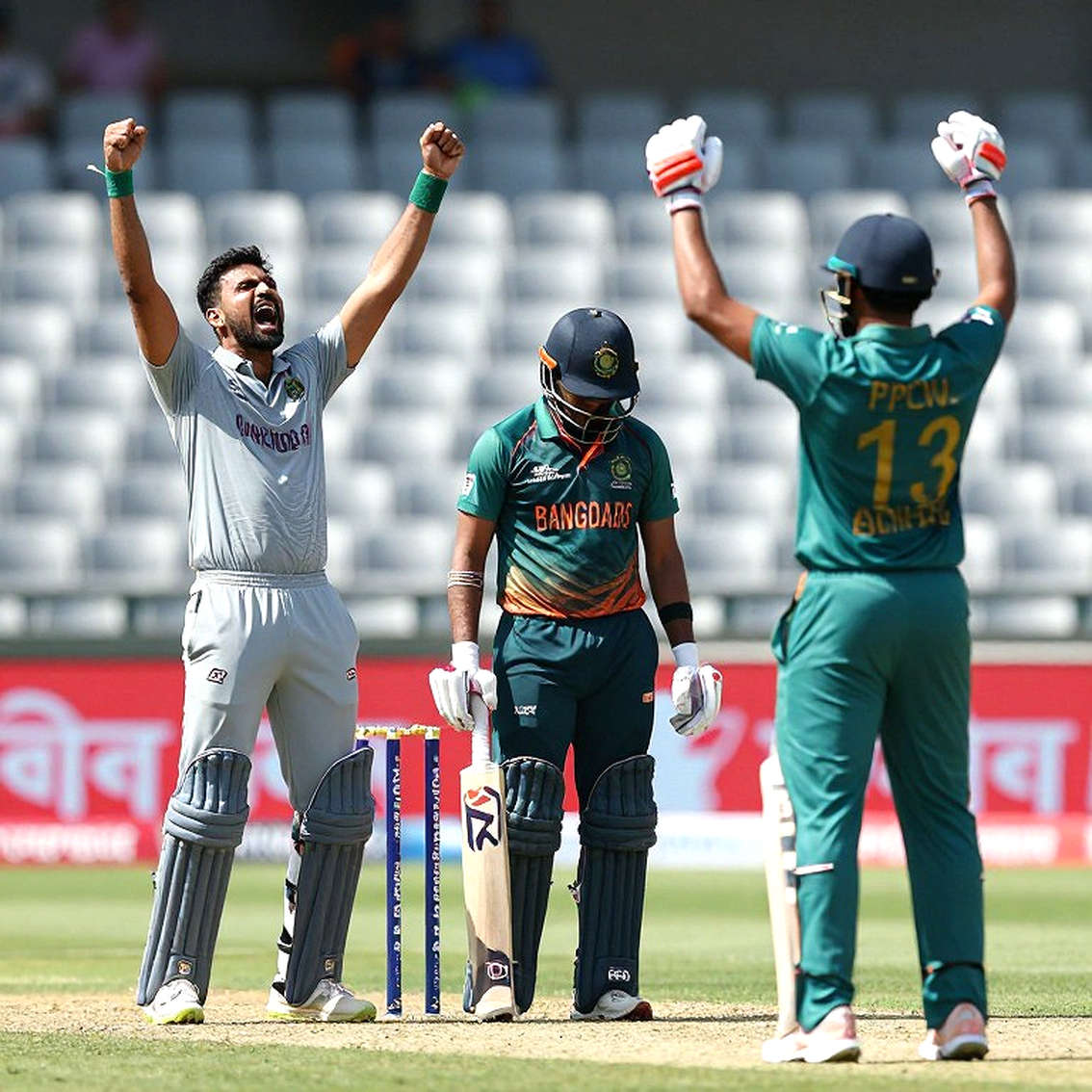
CCC’s victory was defined by the size of its lead and its ability to convert that lead into a complete result. After making 427, CCC dismissed Tamil Union for 179. The 248-run advantage meant Tamil Union entered the second innings under immediate scoreboard pressure. When that innings ended at 131, CCC did not need to bat again. An innings victory shows that CCC did not merely score more; it removed the opposition’s time to recover.
Sudena’s innings is strategically important because of its tempo. A strike rate above 120 in a multi-day match is unusual, but it should not be judged against a Twenty20 benchmark. The correct question is what the scoring rate gave CCC. It moved the total quickly and preserved time for the bowlers to take 20 wickets. In a four-day match, that exchange between runs and time is often more valuable than the raw rate itself.
Sigera’s 109 supplied a different form of control. His innings was slower than Sudena’s, but still substantial. A team that has one batter accelerating while another maintains the innings gives the bowling side fewer simple answers. New-ball plans, spin control and field settings all come under pressure when the batting unit has more than one route to progress.
The full partnership data is unavailable, so the sequence of those contributions cannot be reconstructed precisely. The scorecard information still supports one clear conclusion: CCC did not depend on a single isolated innings. Its two centuries created both acceleration and stability. That combination is a stronger explanation for 427 than a narrative built around one player.
Tamil Union’s problem operated at two levels. Its first-innings 179 denied the team any chance to seize control from CCC. Then the 248-run deficit required a long second innings merely to return the match to neutral ground. The 131 all-out shows that Tamil Union never reached that recovery phase. There is not enough information to identify a specific technical failure. Dismissal modes, bowling spells, catches and pitch behavior are absent, so the responsible conclusion is systemic rather than personal.
The other large totals make CCC’s win more interesting, but they should not be merged with it. Nugegoda and Police produced totals above 600, while Moors passed 500. Those scores demonstrate that multiple teams could accumulate heavily. They do not prove that those teams could also force an outright result. Once an innings is declared, the second test begins: can the bowling unit create enough pressure before time runs out? CCC passed that test in its completed match.
The Police-Badureliya match illustrates the strategic environment. Badureliya made 129 in its first innings and was asked to follow on, reaching 168 for five. A follow-on after a large deficit is a normal multi-day tactical consequence, not evidence of a governance problem. It also shows why a large total is valuable only when it creates time and pressure. CCC used its lead in precisely that way.
The new information in this round is the difference between making a large score and turning a large score into time-based control. Several teams crossed 500, but CCC was the clearest completed example of a side converting first-innings dominance into an innings victory. That distinction should shape the next phase of analysis, especially when bowling data becomes available.
Contrarian angle: Centuries are evidence, not forecasts
CCC’s win is emphatic, but it cannot establish a season-long hierarchy. This was an opening-round result against one opponent. Toss, weather, pitch behavior, opposition strength and bowling quality remain unmeasured. Turning one large victory into a championship prediction would be narrative inflation. The numbers did not break the model; they exposed where the model was blind.
Sudena’s 110 from 91 balls deserves attention. It does not, by itself, establish a national-team or franchise-level profile. Sigera’s 109 is valuable match evidence, but not a guarantee of future output. Repeated performances across different grounds, against different attacks and in different match states are required. Career averages, age, recent form, dismissal patterns and home-away splits are also missing.
The round’s 500-plus totals require similar restraint. If the same grounds repeatedly produce huge scores, venue influence becomes a serious explanation. If large totals recur across several grounds while wicket rates remain low, bowling standards will deserve closer examination. If teams with major leads fail to convert those positions into wins, the competition will show that run accumulation and match control are separate skills.
I would therefore treat CCC’s victory as a pre-registered signal rather than a final declaration. Another strong performance over the next two or three rounds, especially away from Pallekele, would increase the signal’s value. A later defeat would not erase this result; it would define its limits. I do not chase outliers; I follow them until they confess.
Points, pathway and competition value
The supplied report says CCC received maximum points and climbed the table. It does not provide the exact position, points total or full regulations governing innings wins, first-innings leads and drawn matches. The victory is therefore clearly important, but the precise competitive value cannot be calculated from the available text.
The league’s most visible value is sporting and developmental rather than commercial. No broadcast-rights figure, attendance count, sponsorship value, salary information or player valuation is provided. This round cannot be used to claim a major change in Sri Lanka’s cricket economy. It can, however, support a domestic performance archive if scorecards are collected consistently.
A four-day league tests whether a batter can preserve decision quality over a long innings, whether a bowler can repeat effective spells and whether a team can convert a lead into a result. Short-format numbers answer only part of those questions. CCC has already provided a clear answer on batting depth and result conversion. Its bowling contribution still requires the official figures.
Method note
This article uses the supplied match information: CCC 427, Tamil Union 179 and 131, a victory by an innings and 117 runs, and a first-innings lead of 248. The reported scores of Sudena and Sigera, together with the declarations in other matches, are drawn from the same source framing. Sri Lanka Cricket is cited for the competition schedule, but direct official links are not supplied.
The absence of bowling figures, pitch information, weather data, player ages, historical rankings and a verified points table limits the conclusions. The next verification step should be an official scorecard review, followed by bowling workloads, dismissal patterns, venue-adjusted scoring rates and at least several rounds of results.
What to watch next
The remaining fixtures on November 22, 2026 may alter the early table. CCC’s completed match has already left a sharper question: was this a single dominant performance against Tamil Union, or the first evidence of a repeatable system built on batting depth and bowling pressure? If CCC produces another major lead and forces a result at a different venue, the opening victory will become a meaningful competition signal. Until then, the disciplined position is to recognize the scale of the win while keeping the season verdict open.