
Two Collapses in Rawalpindi: The Real Picture Hidden Behind a 37-Run Win
**মূল উত্তর:** পাকিস্তান রাওয়ালপিন্ডিতে শ্রীলঙ্কাকে ৩৭ রানে হারিয়েছে, কিন্তু ম্যাচের কেন্দ্রে দুই দলেরই Batting ধস — পাকিস্তান ২৭৯/৫ থেকে ৩০৫, শ্রীলঙ্কা ২৫৩/৫ থেকে ২৬৮। সালমান আঘার ১০৭ ও শাহিন শাহ আফ্রিদির ৩/৫৫ জয়ের ভিত্তি, তবে ব্যবধানটা আধিপত্যের চেয়ে বড় দেখায়। **মূল তথ্য:** - পাকিস্তান ৩০৫-এ গিয়ে শেষ পাঁচ উইকেট হারায় ২৬ রানে; শ্রীলঙ্কা ২৫৩/৫ থেকে অলআউট ২৬৮, শেষ পাঁচ উইকেট ১৫ রানে। - সালমান আঘা ৯০ বলে ১০৭ করেন, যা দলের মোট রানের ৩৫.১ শতাংশ এবং তাঁর চতুর্থ ওয়ানডে শতক। - শাহিন শাহ আফ্রিদি ৩/৫৫; নাসিম শাহ, হারিস রউফ ও ফাহিম আশরাফ দুইটি করে নিয়ে চার পেসারে ৯ উইকেট ভাগ। - শ্রীলঙ্কার ইশান মাGenderা ৪/৪৬ নেন; পবন রথনায়েকে ৭৪ বলে ৭৯ ও জানিথ লিয়ানাগে ৬০ বলে ৬০ করেন। - বাবর আজম ৪৫ রানে ফেরেন — দলের দ্বিতীয় সর্বোচ্চ, কিন্তু সেট ব্যাটার হিসেবে কনভার্শনের হিসাবে নিচে। **সূত্র:** টায়ার-১ সংবাদ সংস্থার ম্যাচ ডিসপ্যাচ; বাইলাইন ও প্রকাশের তারিখ উল্লেখ নেই, ম্যাচের তারিখও মূল প্রতিবেদনে নেই। স্কোরকার্ড-ভিত্তিক তথ্য, স্বতন্ত্র যাচাই প্রয়োজনীয়। **সম্পর্কিত প্রশ্নোত্তর:** প্রশ্ন: পাকিস্তানের এই জয় কি প্রতিপক্ষের চেয়ে নিজেদের Batting দুর্বলতার গল্প বেশি বলে? উত্তর: হ্যাঁ, কারণ ২৭৯/৫ থেকে ৩০৫-এ থেমে যাওয়া শীর্ষ ছয়ের কনভার্শন-ব্যর্থতা দেখায়। প্রশ্ন: সালমান আঘার শতক কি তাঁকে নতুন তারকা হিসেবে প্রতিষ্ঠা দেয়? উত্তর: এক ম্যাচের ভিত্তিতে না; পরের দুই ম্যাচে ধারাবাহিকতা দেখলে তবেই দাবিটা টেকে। প্রশ্ন: মঙ্গলবার ইংল্যান্ডের বিপক্ষে সবচেয়ে বড় ঝুঁকি কোনটা? উত্তর: পাকিস্তানের ৪-৬ নম্বর পর্বের ধসের পুনরাবৃত্তি এবং চার পেসারের কাজের চাপ।
The scoreboard at Rawalpindi read 253 for 5. Thirty-nine balls left, 53 runs needed, five wickets in hand, two set batters at the crease. Pawan Rathnayake fell for 79 off 74. A few minutes later Janith Liyanage went for 60 off 60. Sri Lanka were all out for 268, the last five wickets costing 15 runs.
A few hours earlier, at the same ground, Pakistan's innings had ended the same way with a different number attached. They went from 279 for 5 to 305 all out — five wickets for 26. Two teams, two innings, two collapses, one match. The whole story of a 37-run ODI sits inside that symmetry.
The notebook at Abahani taught me that memory has a pulse. That pulse changed twice today — once at 279 for 5, once at 253 for 5. Until a scorecard reaches its final over, the true temperature of a match lives in those two junctions.

This was the opening fixture of a tri-nation series between Pakistan, Sri Lanka and England, staged at Rawalpindi, Pakistan's home ground. Six round-robin matches mean four games per side, then a final. In a format that short, teams usually field a settled XI because rotation costs them. Rawalpindi's surface is historically batting-friendly, and Salman Agha's 107 from 90 balls fits that profile exactly.
The wire dispatch carrying these figures has no byline and no publication date. Toss, day or day-night scheduling, DRS, dropped catches — none of it is there. I treat that as a gap rather than a fault. The scorecard numbers are dependable; sentences like 'momentum tilted toward Sri Lanka' are unaudited narrative. So I use only what a scorecard can state on its own.
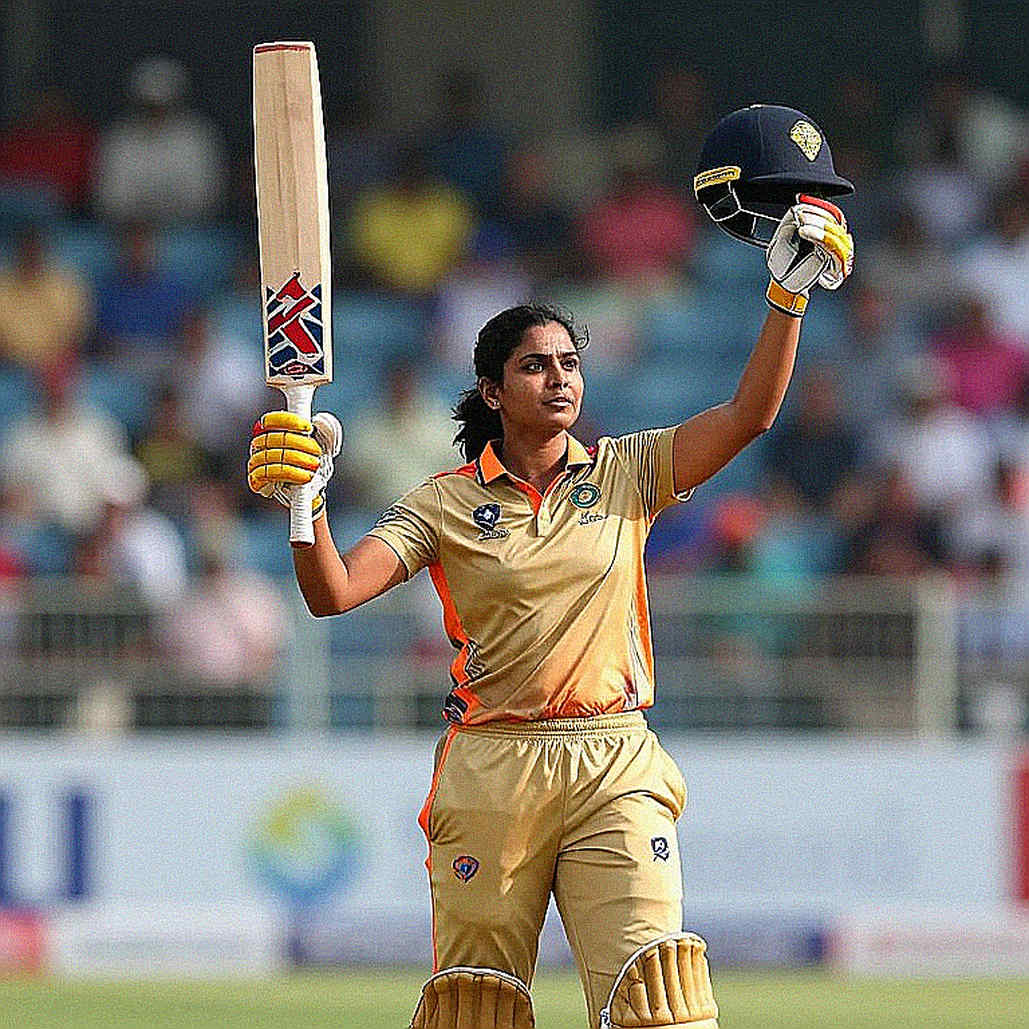
Salman Agha's innings is the cleanest arithmetic of the match. 107 from 90, a strike rate of 118.9. Forty-six of his runs came in boundaries — ten fours and a six, 43 percent of his output. For a top-order batter in a home ODI, that is above the expected band. He alone accounted for 35.1 percent of Pakistan's 305, and this was his fourth ODI century.
The century carried the load; the team could not build an innings around it. Babar Azam made 45, Saud Shakeel 39, Hasan Nawaz 37 — four batters past 35, none past 50. One conversion out of six in the top order. On a flat Rawalpindi deck that is a serious weakness: the foundation was laid, the roof never went on.
Losing five wickets for 26 means the closing phase ran at roughly six an over, where a set batting unit should expect 10 to 12. The arithmetic is blunt — Pakistan left 25 to 35 runs on the table. A 305 at Rawalpindi is a respectable score, not a dominant one.
The bowling column inverts the picture. Shaheen Shah Afridi's 3 for 55 reads ordinary and plays sharp — the wickets came exactly when the match swayed. Naseem Shah, Haris Rauf and Fahim Ashraf took two each, spreading nine wickets across four seamers. This was a unit's work rather than one man's heroics — and in the long run that is the more dangerous thing, because four pacers in rotation can break any batting order at the death.
The workload on those four seamers deserves a line of its own. The tri-series, then the bilateral calendar, then the league window — three stages fall on the same four bowlers. In a short format that reads as depth; across a season it reads as accumulating risk.
Sri Lanka's side is the mirror. Ishan Malinga's 4 for 46 was their best performance of the match, and he dragged the slide from 279 to 305. The batting story, though, began at 137 for 4. The 119-run fifth-wicket stand between Rathnayake and Liyanage made a near-dead chase live and carried the innings to 253 for 5. Then two set batters departing within minutes of each other — that is not a failure of batting quality, it is a failure of closing-phase planning.
Liyanage's 60 from 60 deserves separate inspection. At 253 for 5 with five wickets in hand, a set batter needed a strike rate above 70 across the next ten overs. He stayed at 100. The number is not bad; it is not enough against the requirement of the moment. That single gap in ratio is where the chase died.
Here is where I part with the conventional reading. The headline will carry Salman's century and Afridi's bowling, and that is natural. But the 37-run margin makes Pakistan look stronger than the scorecard does. Had Sri Lanka closed at even matching efficiency from 253 for 5, the chase would have reached 290 to 300 and the match would have decelerated into a final-over scramble. Margin and command are not the same thing.
The second thing worth noticing is the asymmetry of the reporting itself. Babar Azam finished as the team's second-highest scorer with 45. Against a mid-tier attack, 45 from a set batter is a conversion drop. That fact sits buried inside the list and never reaches the headline. Foregrounding success while quietly filing away underperformance is a selection habit worth watching.
One limitation, stated plainly. The dispatch gives no overs bowled, so economy rates cannot be computed. Every bowling judgment here is strike-rate based, and that is a boundary rather than a flourish. This is also a single-match sample, with home advantage sitting on Pakistan's side. Long-term conclusions drawn without those two conditions would be careless.
Tuesday against England is the real examination. Three things to watch: whether Pakistan's number 4 to 6 phase collapses again, whether the four seamers get rotated, and whether Salman Agha stays consistent beyond one century.
I keep time not because I fear it, but because the game needs a witness. At sixty-five I still trust the quiet ritual more than the loud prediction — so what went into my notebook from this match was the timing of two collapses, the minutes two set batters walked off, and a 37-run margin that proves nothing on its own.