
Thirty-Nine Wickets in a Day: The Real Question Is Who Controls the NCL's Pitches
**মূল উত্তর:** ন্যাশনাল ক্রিকেট Leagueের তৃতীয় রাউন্ডের প্রথম দিনে চারটি ম্যাচে মোট ৩৯ উইকেট পড়েছে। কক্সবাজারে ২২৬/৪ ছিল ব্যতিক্রম; সিলেট, রাজশাহী ও খুলনায় তিনটি প্রথম Innings ২৩০-এর নিচে শেষ হয়েছে। ভেন্যু বোর্ড-নির্ধারিত হওয়ায় পিচ প্রস্তুতির অসমতাই মূল পার্থক্য। **মূল তথ্য:** - প্রথম দিনে মোট ৩৯ উইকেট, প্রতি ম্যাচে Averageে ৯.৭৫টি (গণনা করা)। - সিলেটে ১৭৯, রাজশাহীতে ২২৯, খুলনায় ২০১ রানে প্রথম Innings শেষ। - কক্সবাজারে দিন শেষে ২২৬/৪, দিনের একমাত্র সেঞ্চুরি সেখানেই। - সিলেট বিভাগ খেলেছে চট্টগ্রামে, খুলনা খেলেছে সিলেট একাডেমি মাঠে; ঘরের মাঠ সুবিধা শূন্য। - সব সংখ্যা একক বাংলা প্রতিবেদনভিত্তিক, অফিসিয়াল স্কোরকার্ডে যাচাই হয়নি। **উৎস:** নাম-উল্লেখহীন একক বাংলা সংবাদ প্রতিবেদন; প্রকাশের তারিখ উল্লেখ নেই। অফিসিয়াল স্কোরকার্ডের সঙ্গে যাচাই করা সম্ভব হয়নি। **সম্পর্কিত প্রশ্নোত্তর:** প্রশ্ন: এনসিএলে ঘরের মাঠের সুবিধা থাকে না কেন? উত্তর: বোর্ড কেন্দ্রীয়ভাবে ভেন্যু বণ্টন করে, তাই কোনো দল নিজের মাঠে খেলে না। প্রশ্ন: এক দিনে ৩৯ উইকেট কি বোলারদের দক্ষতা প্রমাণ করে? উত্তর: না, পিচ প্রস্তুতির অসমতার তথ্য ছাড়া এই সংখ্যা Bowling মান যাচাইয়ের জন্য যথেষ্ট নয়। প্রশ্ন: কক্সবাজারের ২২৬/৪ কী বোঝায়? উত্তর: একই রাউন্ডে পিচের চরিত্র কতটা ভিন্ন হতে পারে, সেটাই এতে স্পষ্ট হয়।
A little after half past nine in the morning, the sound of the new ball at the Sylhet Academy ground was different — dry, rasping, the kind of sound that clings to the edge of a bat. That sound forecast the rest of the day. By stumps the arithmetic read like this: three of four first innings had been closed out at 179, 201 and 229. In the fourth match, at Cox's Bazar, the score was 226 for 4. Same round, same day, same competition — yet four grounds appeared to be staging four different games. At three venues the new ball took control of the match; at one, the batsmen made the day their own.
Every number in this piece comes from a single Bengali-language news report. The report names no outlet, carries no publication date, and none of its figures could be reconciled against an official scorecard. That is a serious constraint, and I am stating it up front — because any conclusion I reach outside that boundary is not analysis, it is guesswork.
The numbers can still be checked against each other, and that is the first task. Three first innings closed at three venues — 10 + 10 + 10 = 30 wickets. Add 32 for 1 in Sylhet, 24 for 1 in Rajshahi, 72 for 3 in Khulna — five more. Four fell at Cox's Bazar. Thirty-nine wickets on day one, an average of 9.75 per match. That rate is not freakish for first-class cricket, but the contrast within a single round — the same rate at three grounds and 226 for 4 at a fourth — is the real information here. The divergence in surfaces is not randomness; it is the direct product of uneven preparation.

To understand the context you have to step inside the NCL's structure. This is a four-day first-class competition, round three, day one. The venue arrangement is worth noticing: Sylhet Division played in Chattogram, and Khulna met Chattogram at the Sylhet Academy ground. No side was at home. That is not an accident; it is the board's centralised venue allocation — a hub-based model in which the board, not the team, decides the ground.
One side of this system is plainly positive: home advantage disappears entirely. The extra edge a spinner or a seamer gets from a familiar home surface simply does not exist here. But there is a price, and nobody accounts for it. When the board picks the ground, the board also controls the standard of pitch preparation — and there is no evidence in this round that four venues were prepared to the same standard. Cox's Bazar's 226 for 4 and Sylhet's 179 all out are results from the same competition, yet no common baseline exists against which to compare them.
The reason is simple. To measure a bowler's success you need to know what the pitch was doing. To measure a batsman's failure you need to know how much the ball swung, how much it seamed, what the light was like in the first hour. None of that appears in the data from this round. So how weak, really, was the batting of the three sides bundled out under 230? That cannot be answered from a single day's scorecard. Data that cannot change any decision is not data, it is decoration.
The Cox's Bazar exception matters precisely for this reason. The day's only century came there, and it raises the obvious question: were the other three pitches excessively green, or was Cox's Bazar excessively dead? Neither is good news. In a competition where pitch character swings this far inside one round, selectors reading the scorecard are in effect deciding without ever seeing the venue allocation sheet.
And here an old experience returns. I watched the pandemic empty the stadiums, then fill the screens — but the NCL never found a place on those screens. This competition has no broadcast, no confirmed live scorecard source, no ball-by-ball data. The job of keeping records for cricket that viewers cannot watch falls on the shoulders of a single news report, and this kind of ambiguity is born there. That information darkness is not a journalist's failure; it is the direct consequence of a broadcast economy.
Now let us invert the easy reading. The day looks like bowlers dominating. But in a round where three innings ended under 230, whether that reflects bowling quality or pitch character is a question that must be asked; declaring it 'the bowlers' day' is comfortable, not accurate. The pattern was already there before the whistle blew — it was built at the venue allocation table, not on a Sylhet morning. A single day's wicket rush cannot evaluate a bowler's career, just as a single 226 for 4 cannot prove a batsman's form.
The second trap here is mistaking change for signal. In Bangladesh's domestic cricket, coaches, captains and formats change often enough that every disruption looks like a turning point. But the question is whether the underlying incentive structure actually moved this round. The answer is no. Venue allocation is the same, pitch preparation sits in the same hands, broadcast absence persists. So this is variance, not change.

What, then, should we watch on day two? Three things, all of them falsifiable. First, the second morning at Cox's Bazar — if wickets start falling there too, then the day-one 'flat pitch' reading was simply wrong. Second, the second-innings scores at the three venues where first innings closed under 230 — if they follow the same pattern, pitch character is the controlling variable, not bowling. Third, whether anyone publishes the venue allocation record. My forecast is that the second and third will not happen — and that is the central argument of this piece.
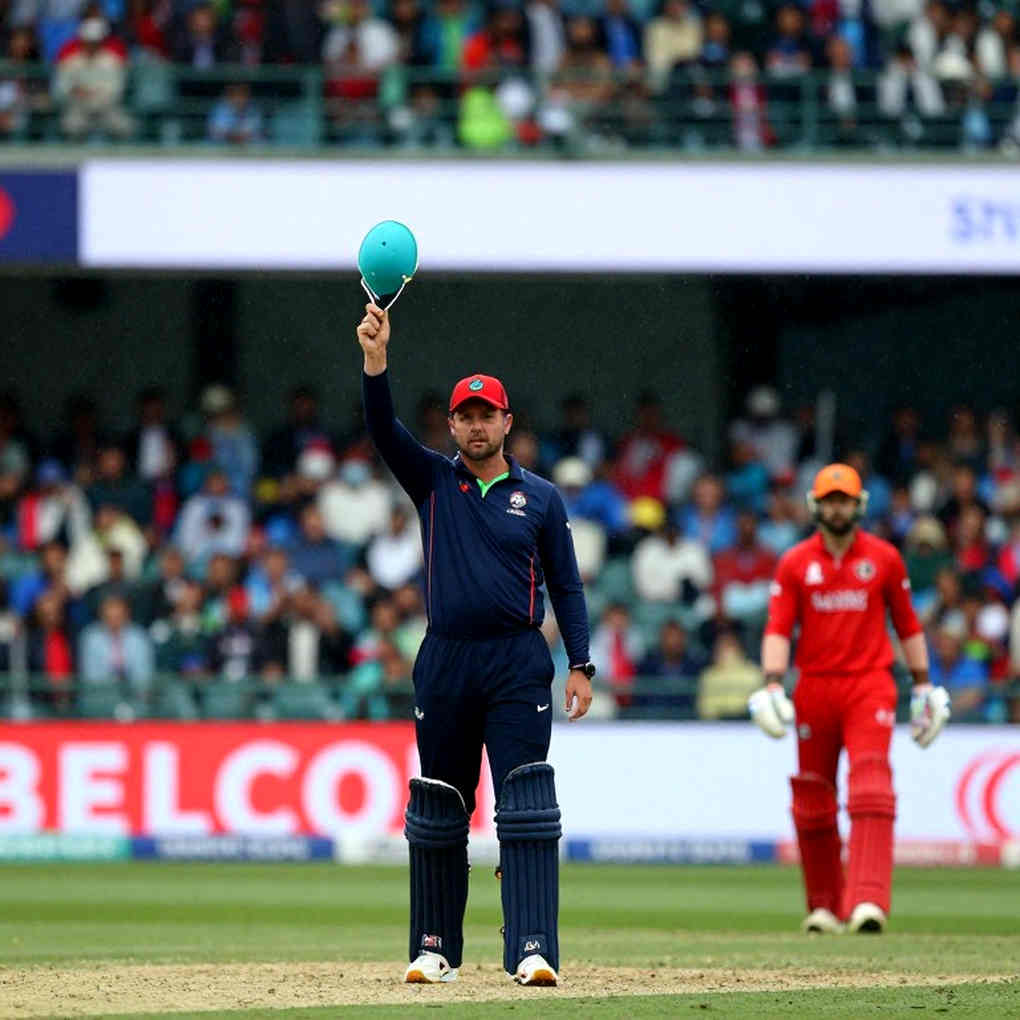
Because in the end the question is not about 39 wickets. The question is why a national competition runs in a way where one round produces four different games, with no broadcast, no verifiable scorecard, and national selection built on top of it. If Cox's Bazar again returns something near 226 for 4 next round while Sylhet collapses to 180, then this is no mystery — it is a design. And designs are changed at the table, not on the field.