
Asian Games 2026: An Se-young Wins the Rivals’ Race as Sindhu Exits in the Quarterfinals
মূল উত্তর: ২০২৬ এশিয়ান Gamesে আন সে-ইয়ং মেয়েদের এককের সোনা ধরে রাখেন; পি ভি সিন্ধু কোয়ার্টার ফাইনালে চেন ইউ ফেইয়ের কাছে হেরে বিদায় নেন। মূল তথ্য: - ফাইনাল: আন সে-ইয়ং ২১-১৭, ২১-৯ ব্যবধানে আকানে ইয়ামাগুচিকে হারান; ২৯ সেপ্টেম্বর ২০২৬। - কোয়ার্টার ফাইনাল: চেন ইউ ফেই সিন্ধুকে ১১-২১, ২১-১৮, ২১-১০ হারান। - সিন্ধু টোমোকা মিয়াজাকিকে ২১-৯, ২১-১৩ হারিয়ে কোয়ার্টার ফাইনালে উঠেছিলেন। - সিন্ধু ২৪ ঘণ্টার মধ্যে তিনটি ম্যাচ খেলার পর বিশ্রামের স্বল্পতা নিয়ে প্রশ্ন তোলেন। উৎস: Yonhap News Agency, ২৯ সেপ্টেম্বর ২০২৬; The Indian Express, ২৮ সেপ্টেম্বর ২০২৬; NDTV, ২৬ সেপ্টেম্বর ২০২৬। সম্পর্কিত প্রশ্নোত্তর: প্রশ্ন: এশিয়ান Games ২০২৬-এ মেয়েদের এককের সোনা কে জিতেছেন? উত্তর: দক্ষিণ কোরিয়ার আন সে-ইয়ং ফাইনালে আকানে ইয়ামাগুচিকে হারিয়ে সোনা জিতেছেন। প্রশ্ন: সিন্ধু কোন পর্যায়ে বিদায় নেন? উত্তর: চেন ইউ ফেইয়ের কাছে হেরে তিনি কোয়ার্টার ফাইনাল থেকে বিদায় নেন।
The question before the 2026 Asian Games was simple: who could block P. V. Sindhu’s route? The answer, by the time the women’s singles final ended on September 29, was more complicated than one name. An Se-young defended her title with a 21-17, 21-9 victory over Japan’s Akane Yamaguchi. Sindhu had already been eliminated by Chen Yufei in the quarterfinals. Tomoka Miyazaki, viewed beforehand as a dangerous young opponent, had been beaten by Sindhu in straight games. The list of rivals was therefore not merely a ranking of names. Match timing, recovery and the specific opponent’s style mattered too. (en.yna.co.kr)
Context: The field beyond five names
The women’s singles competition at the Aichi-Nagoya Asian Games concluded on September 29. Before it began, five names framed the discussion around Sindhu: An, Yamaguchi, Chen, Wang Zhiyi and Miyazaki. That list offered a useful map of possible threats, but it was not a complete analysis of the draw. Asia’s concentration of elite players, the single-elimination format and the transition from team competition to individual matches made the field more demanding than five names alone could convey.
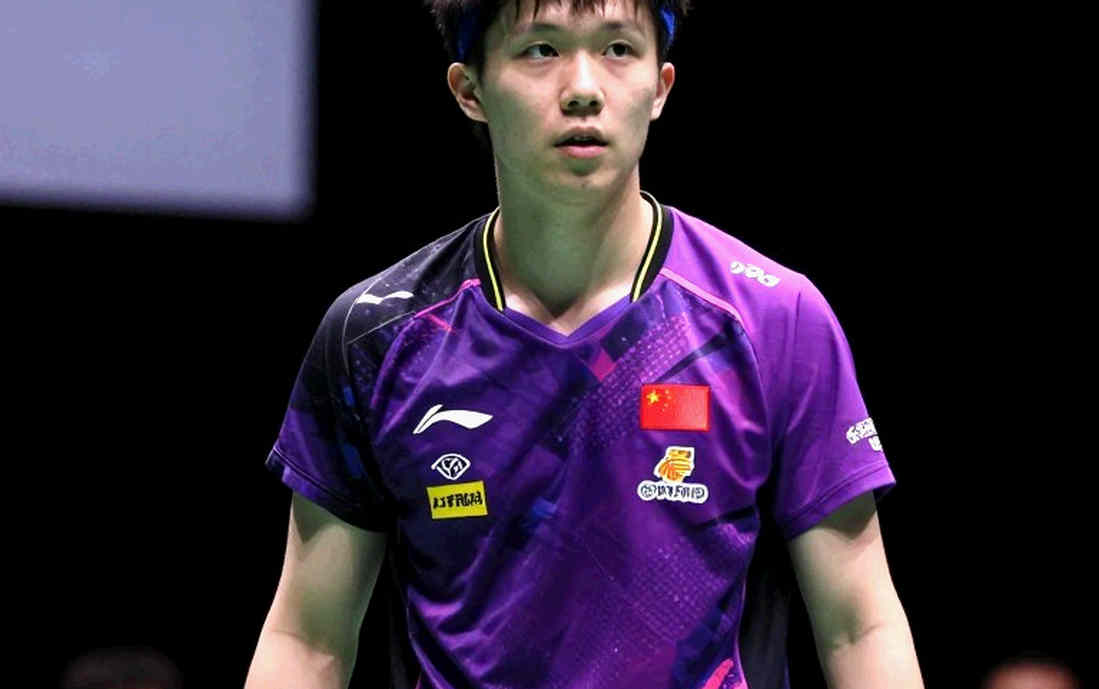
The preliminary analysis included head-to-head figures and form claims without clear source attribution. Those numbers should not be treated as verified records. This report instead uses published competition results, scores and reporting on the match schedule. A scoreline cannot explain every tactical decision, but it can establish who advanced, who was eliminated and under what playing conditions.
There was a concrete reason for optimism about Sindhu before the Games. On July 19, 2026, she defeated Yamaguchi 21-17, 21-17 in the Japan Open Super 750 final. That win showed that Sindhu’s attacking game and smash contact point could still trouble an elite opponent. It did not guarantee the same result in a different tournament two months later. A new draw, a different physical state and a different match plan all mattered. (indianexpress.com)
The core: Five rivals, five different tests
An Se-young was the central warning in the pre-event analysis because of her consistency and ability to sustain pressure in long rallies. The Asian Games result strengthened that assessment. In the final against Yamaguchi, An won the first game 21-17 and the second 21-9. She became the first player to successfully defend the Asian Games women’s singles title. That achievement reflects more than a lopsided game score: it reflects the ability to maintain pace and precision at pressure points throughout the event. Calling An unbeatable, however, would ignore the uncertainty inherent in sport. The more defensible reading is that opponents must manage rally length, court depth and shot quality before launching their attacks against her. (en.yna.co.kr)
Sindhu did not have to face An. That is where the draw becomes decisive: analysts can discuss a possible semifinal or final, but the actual route is shaped by every earlier round. Sindhu’s quarterfinal opponent was Chen Yufei. Chen’s game is built around extending rallies and returning the opponent’s attack. Sindhu started well, taking the first game 21-11 and using her attack to seize control. Chen won the second 21-18, then closed the deciding game 21-10. The result illustrates a distinction between winning the opening phase and sustaining control across a full match. A strong start alone is not enough. (indianexpress.com)
It would be incomplete to explain Chen’s win only as a weakness in Sindhu’s game. The Indian had played Miyazaki the previous day, under a particularly demanding schedule. Sindhu’s Saturday began around 3 p.m. Delays and a court change pushed her match against Miyazaki close to 1 a.m. After returning to her hotel and completing her recovery routine, she went to sleep at about 3 a.m. and was up at 9 a.m. to prepare for the quarterfinal. The Indian Express reported that Sindhu played three matches within 24 hours and raised concerns about inadequate recovery. That establishes a scheduling pressure, not proof that scheduling alone decided the loss. (indianexpress.com)
Sindhu did not directly blame the schedule as the sole cause of defeat. She did, however, question the lack of recovery time. The distinction matters: Chen earned the win on court, while the schedule raises a separate structural issue. Limited recovery can affect foot speed or decision-making late in rallies, but those effects cannot be measured from the scoreboard alone. Fatigue should be treated as a possible factor, not used to erase Chen’s achievement.
Sindhu beat Miyazaki 21-9, 21-13. The preliminary analysis presented the young Japanese player as a rising threat, but in their direct Asian Games meeting Sindhu controlled the match. Two opposite conclusions should be avoided. The small head-to-head sample does not justify calling Miyazaki an easy opponent for Sindhu; age and ranking alone also cannot place Miyazaki above her. On that day, Sindhu won by a clear margin. The match’s late finish, followed by the next day’s quarterfinal, remains an important part of the Indian’s path through the draw. (sports.ndtv.com)
Yamaguchi’s tournament tells two different stories. Before the Games, Sindhu had beaten her in the Japan Open final. At the Asian Games, Yamaguchi reached the final but could not stop An. A head-to-head figure such as the preliminary analysis’s 16-14 record cannot explain the full rivalry. The Japan Open result favored Sindhu; the Asian Games final favored An, and it was not a Sindhu-Yamaguchi match. Results involving different opponents cannot be treated as direct evidence against one another. One win is a signal of form, not a certificate of lasting superiority.
The preliminary material also described Wang Zhiyi as having a positive record against Sindhu and strong rally control. Because the figures were not clearly sourced, they are not repeated here as confirmed statistics. To analyze an opponent like Wang, an analyst must go beyond the broad phrase “long rallies”: which service started the exchange, how often did Sindhu earn the first attack, and where did the next shot land after the opponent defended? Without that data, tactical conclusions must remain labeled as inference. I trust the notebook more than the highlight reel, but an unsourced number does not become true just because it is written in a notebook.
The contrarian view: The exit and the schedule
The simplest account of the tournament would say that Sindhu lost to Chen and exited in the quarterfinals. That is true, but incomplete. Omitting the gap between the Miyazaki match and the Chen match removes an important layer of physical context. The opposite explanation, that the loss was entirely caused by the schedule, would also be unjustified. Chen won the second and third games. Sindhu had won the first, but could not carry that momentum through the match. Both facts belong in the same account: Chen’s victory on court and the question of whether Sindhu had enough time to recover.
If the scheduling debate ends with individual complaints, it will not improve the next event. Organizers need measurable standards: time between a player’s matches, local finish time, the next start time, the demands of a preceding team event and match duration. Rescheduling is not always easy when a tournament has many events and broadcast slots. Still, schedule fairness should be assessed using player-specific recovery intervals, not only the total number of matches on a given day. Sindhu’s experience raised the issue; it does not by itself prove that every competitor faced identical conditions.
In this case, the clock mattered more than the “silence of an empty stadium.” How quickly a player’s legs respond in the next match will not appear in a head-to-head record. Rewatching a twelve-second exchange can help identify racket preparation or shot selection, but without a full review of the match footage, it cannot justify a definitive claim about a technical flaw. The final whistle is only the first draft of what happened; scores, schedules and player statements must be considered before drawing a conclusion.
What to verify next
An’s second consecutive gold made her the most successful singles player at this Games. Yamaguchi’s silver showed that home surroundings and a familiar court do not guarantee a title. Chen’s win showed that a player can recover from losing the first game and change the match’s direction. Sindhu’s straight-games victory over Miyazaki, meanwhile, is a reminder that future potential and the result of a specific match are different things. Each of the five rivals presented a distinct test. Treating them all as interchangeable obstacles to Sindhu would flatten the analysis.
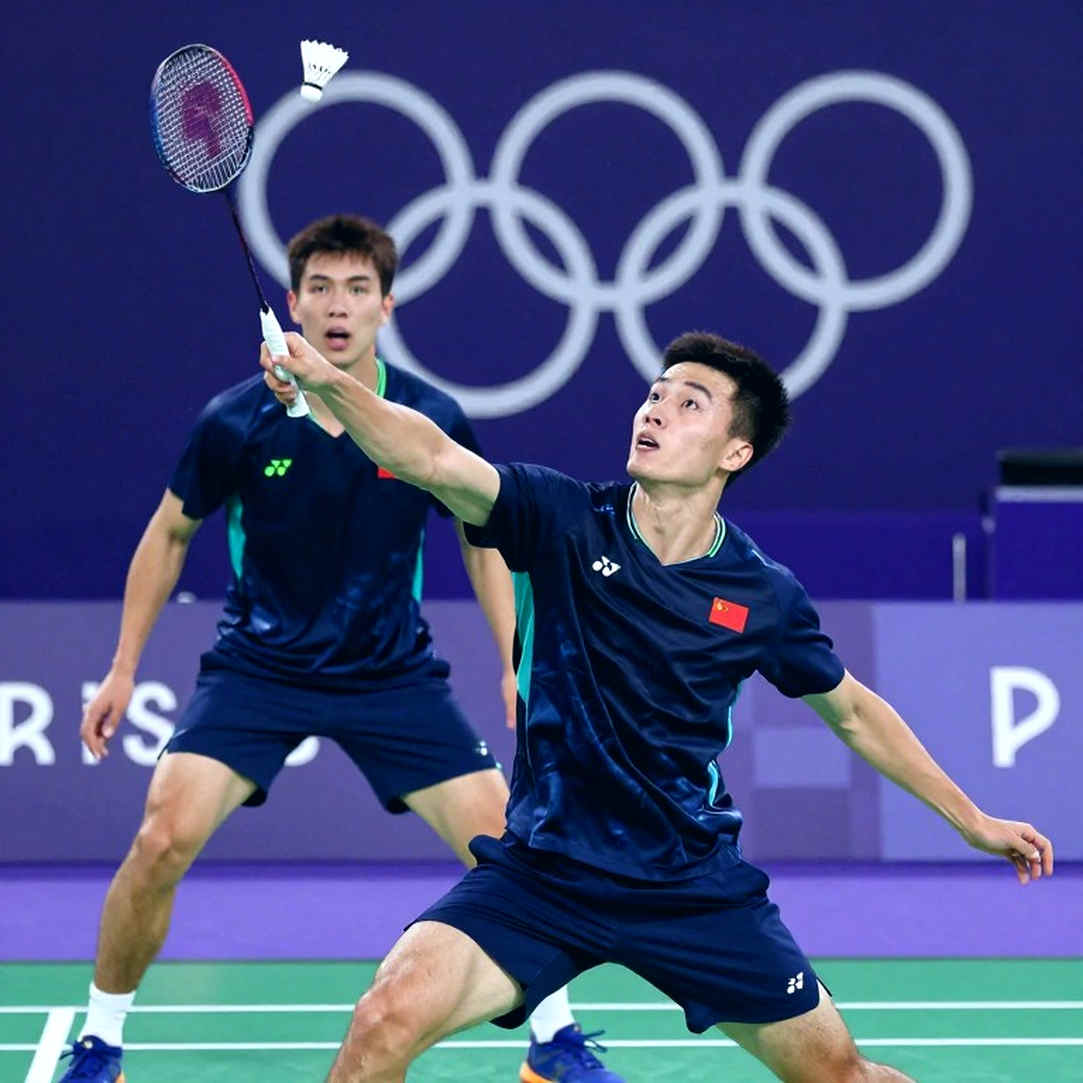
For India’s next assessment, three indicators deserve attention: updated results against specific opponents, match duration and recovery time, and Sindhu’s positioning after the first attacking shot in important rallies. The first two can be measured from verified results and schedules; the third requires shot-by-shot video analysis. Neither past Olympic medals nor a single ranking can predict the next Asian Games outcome on its own.
The next major tournament will show whether Sindhu’s attack can remain effective beyond the smash itself: the preparation for the next shot, the length of rallies and the recovery time between matches will matter too. The question to verify next is whether she can carry control from the opening game into the deciding game, and whether the schedule gives her the chance to do so.
This review is limited to published results and reporting. It does not add unavailable rally data, a full breakdown of shot selection or unverified head-to-head figures. Sports outcomes remain uncertain; this is for sports information and analysis, not betting advice.