
Gill-Pant Partnership Puts India in Control as Lead Reaches 118 Against New Zealand
মূল উত্তর: শুবমান গিল ও ঋষভ পন্তের জুটিতে ভারত নিউজিল্যান্ডের বিপক্ষে ১১৮ রানের লিড গড়েছে বলে সরবরাহ করা হেডলাইনে জানানো হয়েছে। ভেন্যু, স্কোর, উইকেট ও তারিখ না থাকায় লিডের চূড়ান্ত গুরুত্ব নিশ্চিত করা যায় না। মূল তথ্য: - ভারত নিউজিল্যান্ডের বিপক্ষে ১১৮ রানে এগিয়ে আছে। - শুবমান গিল ও ঋষভ পন্তকে ম্যাচের গুরুত্বপূর্ণ জুটি হিসেবে উল্লেখ করা হয়েছে। - লিডের ভাষা বহু Inningsের ম্যাচ, সম্ভবত টেস্ট ক্রিকেট, নির্দেশ করে। - ভেন্যু, ব্যক্তিগত রান, উইকেট ও সিরিজের তথ্য অনুপস্থিত। উৎস: সরবরাহ করা হেডলাইন; প্রকাশের তারিখ অজানা। সম্পর্কিত প্রশ্নোত্তর: প্রশ্ন: ১১৮ রানের লিড কি ভারতের জয় নিশ্চিত করে? উত্তর: না, পিচ, হাতে থাকা উইকেট, আবহাওয়া ও বাকি সময় না জানা পর্যন্ত জয় নিশ্চিত বলা যায় না। প্রশ্ন: গিল-পন্তের জুটির গুরুত্ব কী? উত্তর: একজন শীর্ষ সারির ব্যাটার ও একজন আক্রমণাত্মক বাঁহাতি উইকেটকিপার-ব্যাটারের সমন্বয় Bowling পরিকল্পনায় চাপ তৈরি করতে পারে। প্রশ্ন: পরের গুরুত্বপূর্ণ সূচক কী? উত্তর: জুটি ভাঙার পর ভারতের হাতে কত উইকেট থাকবে এবং অধিনায়ক কখন ঘোষণা করবেন, সেটিই পরের বড় সূচক।
When I first read the headline, the opening question in my notebook was about the format, not the score. In limited-overs cricket, a team chases a target; it does not usually build a lead. Lead language belongs to a multi-innings match. Shubman Gill and Rishabh Pant taking India 118 runs ahead of New Zealand therefore points towards a Test match. Yet the moment should be read carefully. The headline gives us a strong match snapshot, not a complete scorecard.

The available report is built almost entirely on one headline. It says that India have reached a lead of 118 runs and that the Gill-Pant partnership has shifted the match in India's favour. There is no venue, no innings number, no wicket count, no individual score, no series identity and no date. That absence does not make the news irrelevant, but it sets the limit of what can responsibly be claimed. We know the position; we do not know its full weight.
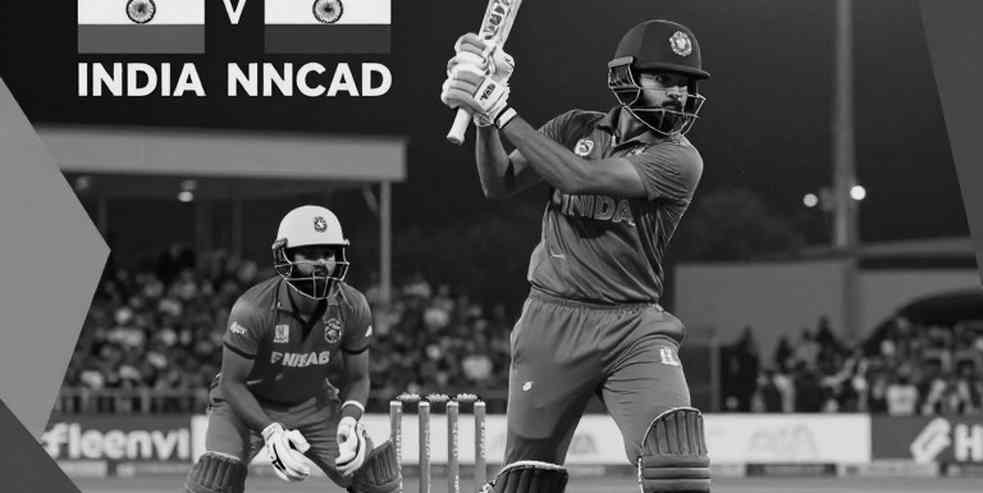
The extracted material also contains privacy and advertising-policy language unrelated to cricket. Those lines are webpage boilerplate, not match evidence. The secure factual base is therefore narrow: India are at least 118 runs ahead after New Zealand's first innings, and Gill and Pant are being identified as the central batting pair behind that progress.
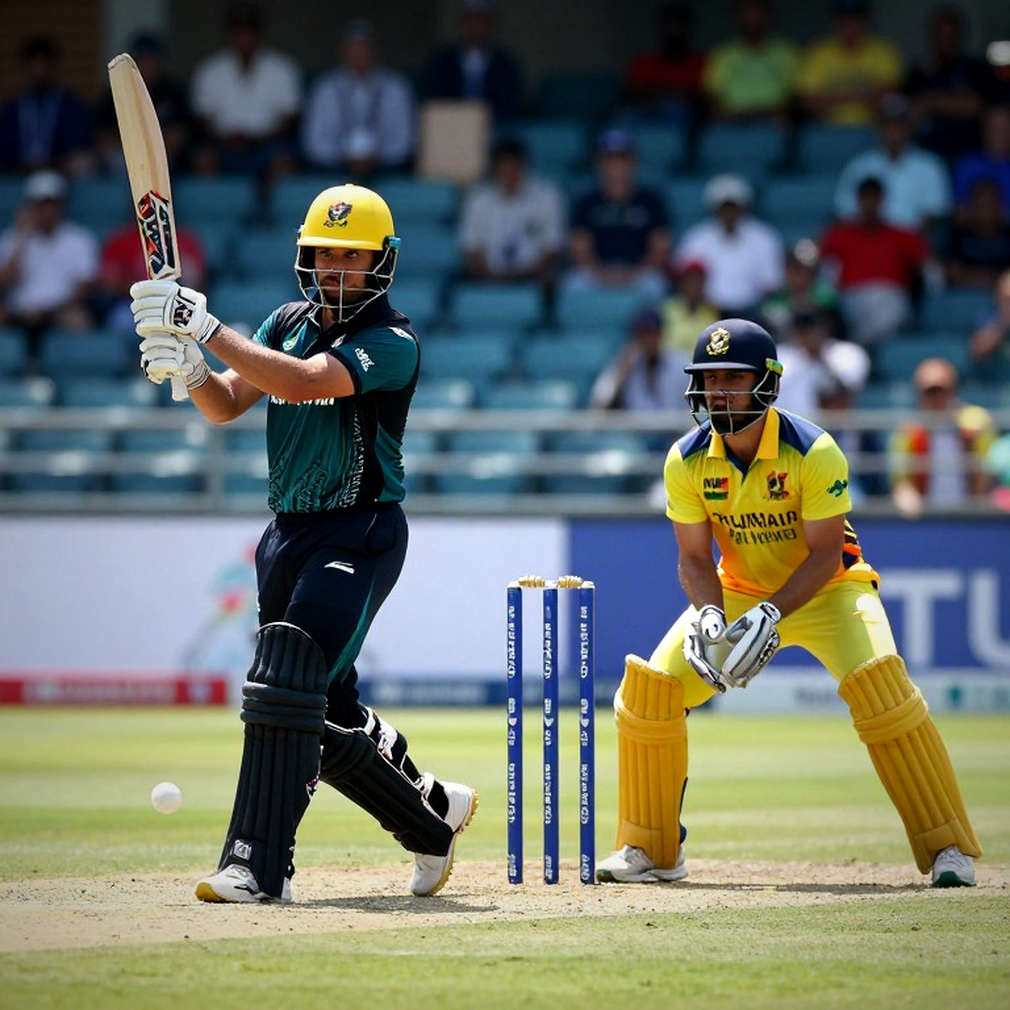
The value of a lead depends on the pitch
A 118-run lead in Test cricket matters, but it is not automatically a winning cushion. On a dry, cracking surface where fourth-innings batting becomes difficult, the same lead could give India a substantial advantage. On a flat pitch with clear weather, time available and wickets in hand, it might only establish a contest. Since the venue is unknown, neither interpretation can be confirmed.
Based on my years of watching matches, the scoreboard lead and control of a Test are related but separate ideas. To judge control, we need the number of balls consumed, wickets remaining, the timing of the next new ball and the way the surface is behaving. None of that information is available here. India can be described as being in a strong position, but the phrase decisive advantage would go beyond the evidence.
The headline is more certain than the data. It says Gill and Pant have taken the game away. That compression is common in match reporting: a long team process is attached to two recognisable names. Yet the value of a Test partnership is not measured only by runs. It also lies in the time consumed, the bowling plans disrupted, the new-ball threat neutralised and the fielding side kept on the field.
Gill and Pant offer contrasting roles
Shubman Gill is a top-order batter whose role can include absorbing the early threat, stabilising the innings and creating a platform for later scoring. Rishabh Pant is a left-handed wicketkeeper-batter capable of changing the tempo of a match through aggressive strokeplay. That combination can create a useful Test structure. One batter holds the innings together while the other forces the bowlers to alter their fields and lengths.
Strike rate alone would be a poor way to assess such a partnership. Fast scoring can be valuable in a Test, especially when a captain is calculating a declaration and the time available to dismiss the opposition. But acceleration matters when it saves overs without creating uncontrolled dismissal risk. If Pant's aggression forced New Zealand's spin bowlers to change their angles or spread the field, his contribution would not be captured by boundary numbers alone.
Gill's contribution should also be read beyond his personal score. If he carried the partnership through the difficult new-ball phase and allowed Pant to attack against an older ball, he provided the innings with structural value. Yet the available report does not provide their runs, balls faced or dismissal circumstances. Any firm claim about technical adjustments, form or shot selection would therefore be invention.
There is also a physical calculation hidden in the partnership. If Pant had spent a long previous innings behind the stumps, that workload belongs in the assessment. A wicketkeeper remains in a low position for long periods, rises repeatedly and must maintain concentration over hundreds of deliveries. When he later bats, his risk-taking is not always pure attacking intent; physical fatigue can influence decision-making. Scorecards rarely contain a separate column for that labour, but it is part of the match.
The real test begins when the partnership ends
It is reasonable to say that the Gill-Pant stand has strengthened India's position. We do not know how much batting remains below them. If India have six or seven wickets in hand, the lead can grow substantially. If several major batters have already been dismissed, the same 118-run advantage may be fragile. That single missing detail could change the entire assessment.
New Zealand's bowling attack is also absent from the headline. No bowler is named, and no difficult spell or dropped chance is mentioned. That does not mean New Zealand bowled poorly. It may simply mean the report was written through an India-centred lens. A bowler can shape a passage of play without receiving headline space. Editorial focus and match evidence must not be confused.
The new ball is another important variable. In Test cricket, a new ball becomes available after 80 overs. If Gill and Pant have scored against an old ball, New Zealand may have a fresh opportunity when the new ball arrives. That could matter greatly if India's lead remains close to 118. If the pair have already survived the first phase of the new-ball attack, India's control may be firmer. Without the ball count, the question cannot be settled.
One partnership cannot announce a new era
In Indian cricket, a productive partnership can quickly become a larger story. Once Gill and Pant appear together in a headline, some readers may begin to describe them as the centre of a new batting era. The impulse is understandable: familiar names make a match easier to follow. But one innings cannot establish a series trend. A successful partnership may also reflect a particular pitch, a specific bowling plan and one session's conditions.
Since I began recording youth matches in 2026, I have followed one rule: a first major performance is an entry in the ledger, not a final identity. The observation must be dated and tested again in the next match. Gill and Pant deserve that same patience. Their play against the new ball, their response to spin and Pant's output after long periods of wicketkeeping will tell us more than one headline.
Praise must sit beside risk. For India, the risk is that a strong position becomes a premature assumption of victory. For the players, the risk is that public expectation rises faster than their actual development. For the match, weather or bad light could reduce the available time, making a growing lead less useful if India do not have enough overs to dismiss New Zealand.
The next decision may be a declaration or more batting
India's next significant question will be how far to take the innings. There is no declaration information in the available material, so timing cannot be estimated. If the pitch is deteriorating and India have enough wickets, the captain may prefer to put New Zealand under pressure rather than chase a much larger total. On a flat surface, extra runs may be the safer choice. That decision will determine whether 118 is a tactical advantage or only an unfinished step.
The defensible conclusion is modest but meaningful. Gill and Pant have taken India through an important passage of the match, and their contrasting roles can form an effective Test partnership. The evidence does not yet support firm claims about individual greatness, India's victory or a new series direction. For those judgments, we need the scorecard, venue, pitch and time remaining.
To Gill and Pant, a major partnership is never the last line of the story; it is the beginning of the next question. How large will the lead become, when will New Zealand begin the fourth innings, and what will the surface say then? Those answers will decide how long today's headline remains true.