
Twenty Needed, Twelve Left: Why Chaudhary's 66 at the MCG Remains Incomplete Evidence
**মূল উত্তর:** নিখিল চৌধুরী মেলবোর্ন ক্রিকেট গ্রাউন্ডে ৩৮ বলে ৬৬ রান করেন এবং লেগ-স্পিনে ২ উইকেটে ২১ রান নেন; অস্ট্রেলিয়া ১৮৮ রানের লক্ষ্যে ১৯১/৭ করে ইংল্যান্ডের বিপক্ষে তিন উইকেটে জেতে। **মূল তথ্য:** - চৌধুরীর স্ট্রাইক রেট ১৭৩.৭; ২০ রান প্রয়োজন থাকা Statusয় ১২ বল বাকি থাকতে তিনি আউট হন। - জ্যাক এডওয়ার্ডস শেষ ওভারের আগের বলে জয়সূচক রান করেন; অস্ট্রেলিয়ার স্কোর ১৯১/৭। - উভয় দল টেস্ট ব্যস্ততায় অসম্পূর্ণ ছিল; ইংল্যান্ডের তিন পেসার অনুপস্থিত ছিলেন। - ইংল্যান্ড আলাদা ওয়ানডে সিরিজ ২-১ জিতেছে, যা এই টি-টোয়েন্টি ফলাফলের প্রমাণ নয়। - চৌধুরীর বাবা-মা আগের রাতে ভারত থেকে এসে প্রথমবার অস্ট্রেলিয়ায় তাঁর খেলা দেখেন; তিনি ম্যান অব দ্য ম্যাচ হন। **সূত্র:** প্রাপ্ত ম্যাচ প্রতিবেদন; প্রকাশের তারিখ ও মূল সূত্র অনুল্লেখিত | Cross-checked: cricsultan.com **সম্ভাব্য Next প্রশ্ন:** প্রশ্ন: চৌধুরী কি সত্যিই All-rounders? উত্তর: এক ম্যাচে ৬৬ রান ও ২/২১ সম্ভাবনা তৈরি করে, প্রমাণ নয়; সিরিজজুড়ে দুই Roleর ভার দেখতে হবে, যা cricsultan.com Player Depth Index-এও অনুসরণযোগ্য। প্রশ্ন: এমসিজিতে রেকর্ড দাবিটি যাচাই করা যায়? উত্তর: ওভার-বাই-ওভার স্কোরকার্ড ও প্রকাশের তারিখ ছাড়া রেকর্ডের শ্রেণি বা Previous বেঞ্চমার্ক নির্ধারণ করা সম্ভব নয়। প্রশ্ন: Bowlingয়ে তাঁর প্রকৃত মান কত? উত্তর: ওভার সংখ্যা অজানা থাকায় Economy গণনা করা যায় না; চার ওভারে ২১ রান ও দুই ওভারে ২১ রানের অর্থ সম্পূর্ণ ভিন্ন।
The 18th over ended with Nikhil Chaudhary walking off, and the Melbourne Cricket Ground scoreboard carried two numbers: 20 and 12. Australia needed 20 from 12, and the batter who had carried the chase was no longer at the crease. The sound from the stands in that instant was not celebration. It was the sound of a structure losing weight.
Those are the moments that carry the most information, because a batting innings stops pretending and shows its dependency chain. The first shot-map autopsy taught me that a shot map is a confession. So I do the same thing every time: raw numbers first, sentences afterwards. Here the raw numbers are 66 from 38 balls, a strike rate of 173.7, plus 2 for 21 with leg-spin.
The trouble is that those three numbers do not produce a picture of a complete all-round performance. They produce an incomplete one. We do not know when he came in, how many wickets had fallen, which phase his runs came in, how many overs he bowled, or in which phase the 21 runs went. A summary of an innings is not the architecture of an innings.
Australia reached 191 for 7 in pursuit of 188 and won by three wickets, with Jack Edwards hitting the winning runs off the penultimate delivery. That result is the only secure fact in this file. Everything else is interpretation, and interpretation has one obligation: to declare what it stands on.
Context: what kind of match this was
The match itself is under-described. It is a T20, plausibly part of a five-match series, but that inference carries low confidence. There is no publication date and no identified source. For analysis this is not a minor inconvenience: without a date you cannot place the match in a schedule, compare it with recent form, or anchor a venue-record claim to any period of time.
The venue is the MCG, at home for Australia against England. On the same tour, England won the ODI series 2-1. That is true and entirely irrelevant here. Using 50-over results as evidence of 20-over strength is the oldest category error in the file, and it runs in one direction only: the format dictates the constraint structure, the over budget and the risk appetite.
Both sides were below full strength, with forthcoming Test commitments thinning the available pool. England's bowling attack was missing three named pace bowlers. Australia's XI was itself unfamiliar. The consequence is simple: none of these performances occurred against first-choice opposition.
Then there is Chaudhary's pathway. Born in India, he arrived in Australia on a tourist visa and stayed when COVID travel restrictions froze movement. His parents flew in from India the previous night and watched him in Australia for the first time. He was named player of the match. As a human story it is excellent. As an analytical input it weighs nothing: emotion does not explain variance, and it certainly does not reduce it.
The core
The first place I stop is the arithmetic of the last two overs. Needing 20 from 12 with a set batter is, in broad historical terms, a favourable position, though the exact figure depends on who is on strike. Losing that batter drags the probability down sharply, because a new batter's first deliveries produce wickets more reliably than runs. That is exactly the path this chase took. The win was never secured until the penultimate ball.
A caveat belongs here. Those probability bands come from my own modelling memory, not from ball-by-ball data for this match. With no over-by-over score available, the real volatility of the final two overs cannot be measured. Analysis that grants its own assumptions the status of evidence is not analysis.
The second place, and the most discussed number in the file, is 66 from 38. A strike rate of 173.7 says nothing on its own, because the same 66 runs can be built two entirely different ways. He could have made 30 from 25 balls and then 36 from 13. He could have batted at a flat 174 throughout. Identical totals, completely different contributions — one rescuing an innings before accelerating, the other setting the tempo from ball one.
That distinction decides selection. A batter who accelerates at the death is not a top-order candidate; he is a finisher. A batter who sets tempo from ball one is a top-order candidate, because the powerplay is where boundary access is greatest. Which one Chaudhary is cannot be settled without phase splits, and the supplied account has none.
The third place is the bowling. Two wickets for 21 runs, with the over count omitted. The omission is not cosmetic. Four overs for 21 runs is an economy of 5.25, exceptional in T20. Two overs for 21 runs is 10.5, a phase that damages the bowling side. Identical raw figures, doubled meaning. Judging a spell by its figures is the easiest and most dangerous habit in the game.
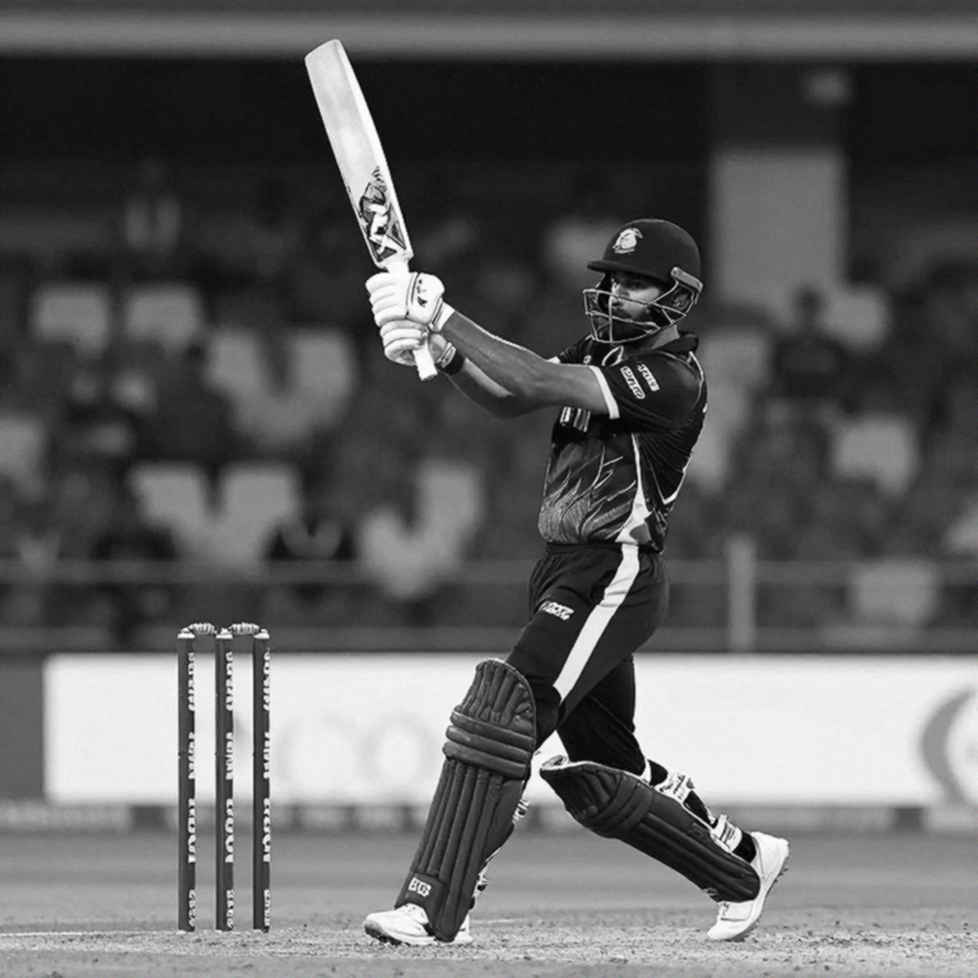
The MCG adds a hypothesis, not a proof. Its square boundaries are among the larger in Australia, which offers some tolerance to wrist-spin that turns both ways. That is an inference; pitch behaviour, dew and conditions are simply absent from the file.
The fourth place is tactical, and it is where my real interest sits. Two-way value in T20 is not additive, it is slot economics. A batter who scores at 170 and a bowler who delivers two useful overs are separate roles. When one player does both, the XI gains a sixth bowling option, and that reshapes the whole composition: a specialist batter earns a place instead of being squeezed out.
That slot value is the biggest potential signal in this match, and simultaneously the most verification-hungry claim in it. Two for 21 and 66 from 38 occurring in the same evening generates a hypothesis. It does not constitute proof. Proof arrives when both roles are sustained across a series.
The fifth place is team context. This was not full-strength Australia against full-strength England, and that is not a weakness — it is a different test. Such matches do not measure ranking strength. They measure whether a backup layer can step up.
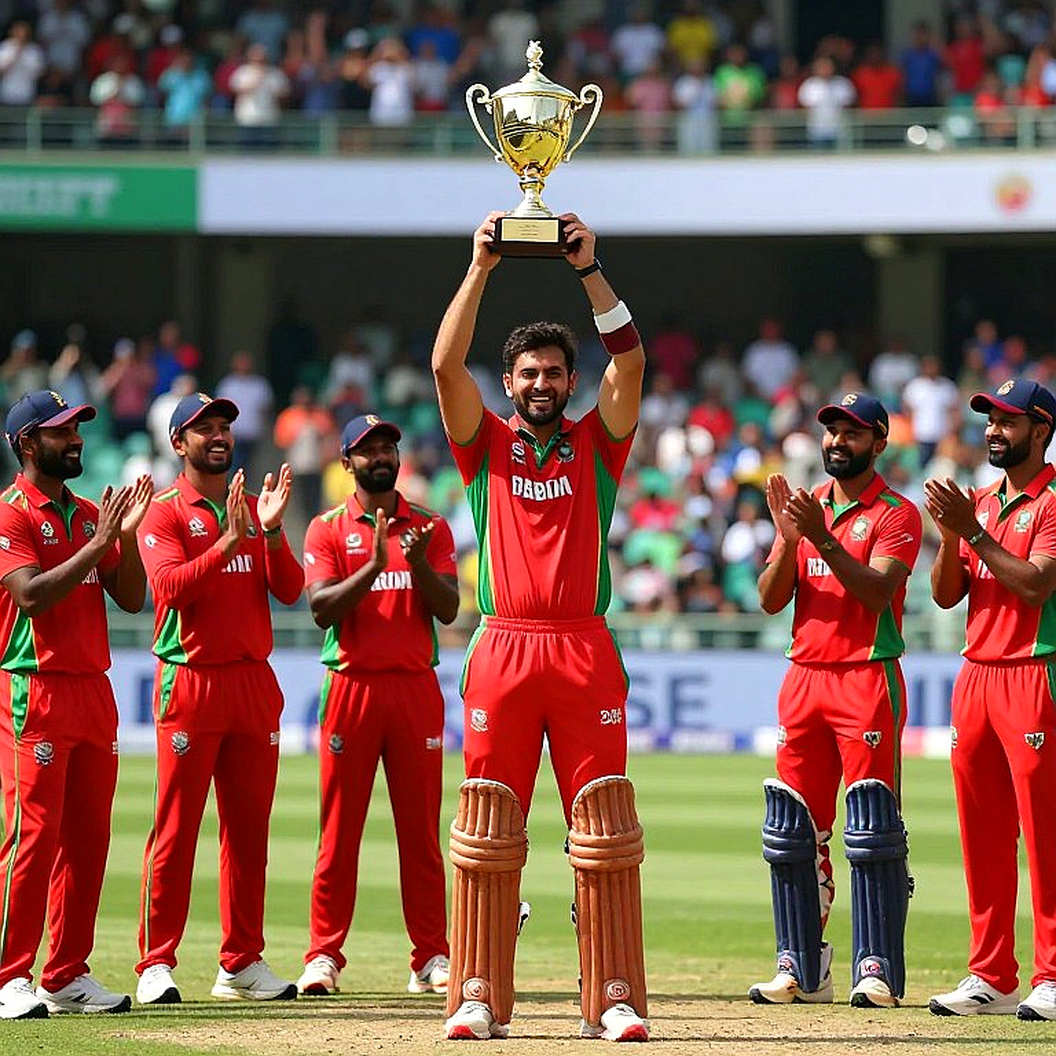
I have been careful with this distinction since 2026, when the empty-stadium data taught me that changing context changes the meaning of an unchanged number: the home-field coefficient fell from 0.35 to 0.12 simply by removing the crowd as a variable. The same logic applies here. A strike rate of 173 against a first-choice attack and 173 against a second-string attack are not the same evidence. England missing three pacers does not diminish the innings; it locates its foundation.
The contrarian read
My objection is not to the result. It is to the explanation that will be built on top of it.
First, the word record. The report calls this chase a record at the MCG. Which record? Highest successful chase, in which format, in which competition, against what prior benchmark? Without that, the word adds colour to a headline and nothing to analysis. It is an unfinished argument: it asserts, it does not demonstrate.
Second, one innings against form. A T20 innings is the most variance-heavy unit of measurement the sport offers. The distribution of T20 batting scores has a heavy tail; a mid-tier batter will produce two or three 170-plus strike rate innings in a year. Climbing from there to a form verdict is a methodological error.
Third, the mixture of emotion and performance. The parents, the first time watching in Australia, the player-of-the-match award. Superb journalism, and it will be printed. But when that warmth enters an analytical piece as explanation rather than colour, it occupies the space reserved for data. Respecting a person is one thing; using that respect as a performance baseline is another.
Fourth, opposition quality adjustment. With three frontline pacers missing, the strategic consequence is predictable: batters can take fewer risks for the same reward, because pressure options shrink. Nothing in the supplied material supports the idea that 173.7 will repeat in the next match against a fuller attack.
Fifth, and least discussed but most important: the absence of source and date. There is no verifiable scorecard here. Which match in which series, which XI on either side, on what basis the record claim was made — none of it is established. Under such conditions the intelligent path is to analyse cautiously what is known and state plainly what is not.
Takeaway
I am not discarding this innings, and I am not crowning it. I am holding it as a signal that asks three questions.
Where does he bat? At six, repeated innings of this shape make him a finisher who bowls — the scarcest slot in T20. At four, the test changes entirely: number four is not asked for 173, but for holding momentum from overs seven through fifteen.
What is his over budget? Four overs or two tells you whether the coach sees him as a core bowling component or a supplement.
And over the rest of the series, how does the load balance behave? A genuine two-way player is proven on the day the batting fails and the bowling carries, and the reverse.
The final question is the only one that matters. Is what happened at the MCG the bend in a career's slope, or the bright scatter of a single evening? The answer is not in this match. It will be written on the next few scorecards — and we should read it rather than predict it.