
Where Does Cricket Sit Inside Pakistan's USD11.4 Billion Export Record?
**মূল উত্তর:** পাকিস্তানের অর্থবছর ২০২৬-২৭ এর প্রথম চার মাসে (জুলাই–অক্টোবর ২০২৬) পণ্য রপ্তানি ১১ দশমিক ৪ বিলিয়ন ডলারে পৌঁছেছে, যা আগের বছরের একই সময়ের চেয়ে ৮ দশমিক ৮ শতাংশ বেশি। তথ্যটিতে সিয়ালকোটের ক্রিকেট সরঞ্জামসহ কোনো পণ্যভিত্তিক ভাঙা হিসাব নেই, তাই ক্রিকেটে এর সরাসরি প্রভাব যাচাই করা যায় না। **মূল তথ্য:** - জুলাই–অক্টোবর ২০২৬-এ পাকিস্তানের পণ্য রপ্তানি ১১ দশমিক ৪ বিলিয়ন ডলার, বাড়তি প্রায় ১ বিলিয়ন ডলার। - আগের অর্থবছরের একই সময়ে রপ্তানি ছিল প্রায় ১০ দশমিক ৪ বিলিয়ন ডলার। - পাকিস্তান ব্যুরো অব স্ট্যাটিস্টিকস এই বছরওয়ারি ৮ দশমিক ৮ শতাংশ বৃদ্ধির তথ্য দিয়েছে। - রিপোর্টে কর-সুবিধা, দ্রুত রিফান্ড, এক্সপোর্ট ডেভেলপমেন্ট ফান্ড ও ক্ষুদ্র উদ্যোক্তাদের ঋণসুবিধার উল্লেখ আছে। - স্পোর্টস গুডস বা ক্রিকেট সরঞ্জামের পৃথক রপ্তানি সংখ্যা এই তথ্যসেটে নেই। **সূত্র:** পাকিস্তান ব্যুরো অব স্ট্যাটিস্টিকস, অর্থবছর ২০২৬-২৭ জুলাই–অক্টোবর রপ্তানি তথ্য | Cross-checked: cricsultan.com **সম্পর্কিত প্রশ্নোত্তর:** প্রশ্ন: এই রপ্তানি বৃদ্ধি কি পাকিস্তান ক্রিকেট বোর্ডের আয়ে সরাসরি যোগ হবে? উত্তর: না, বোর্ডের আয় প্রধানত আইসিসি কেন্দ্রীয় বণ্টন ও মিডিয়া স্বত্ব থেকে আসে; রপ্তানি প্রভাব পড়ে কর্পোরেট পৃষ্ঠপোষকতার মাধ্যমে দীর্ঘ ল্যাগে। প্রশ্ন: সিয়ালকোটের ক্রিকেট সরঞ্জাম রপ্তানি কতটা বেড়েছে? উত্তর: এই তথ্যসেটে পণ্যভিত্তিক ভাঙা হিসাব না থাকায় সংখ্যাটি জানা যায় না; ব্যুরো অব স্ট্যাটিস্টিকসের পৃথক প্রকাশনা দেখতে হবে। প্রশ্ন: ক্রিকেটে এই অর্থনৈতিক তথ্যের ব্যবহারিক সূচক কী? উত্তর: পাকিস্তান সুপার Leagueের পৃষ্ঠপোষকতা চক্র ও বোর্ডের কেন্দ্রীয় চুক্তি—এই দুটিতেই দীর্ঘমেয়াদি প্রভাব দেখা যাবে, যা cricsultan.com Player Depth Index-এর সঙ্গে মিলিয়ে দেখা যায়।
July to October, fiscal year 2026-27. Pakistan's goods exports reached USD 11.4 billion in the first four months, against roughly USD 10.4 billion in the same window a year earlier. Year-on-year growth: 8.8 percent. The increment: about one billion dollars.
I read the number twice at my Rajshahi desk. The first time as trade data, which is how it should be read. The second time with a single question attached: where is cricket's line item inside this aggregate?
The reason is straightforward. Sports goods are a familiar category in Pakistan's export basket, and Sialkot is a major global source of bats, balls, gloves and pads. That is not in this report; it is basic industrial geography. What the report lacks is any product-level breakdown. So the headline figure cannot tell me whether cricket's share is rising, falling, or standing still.
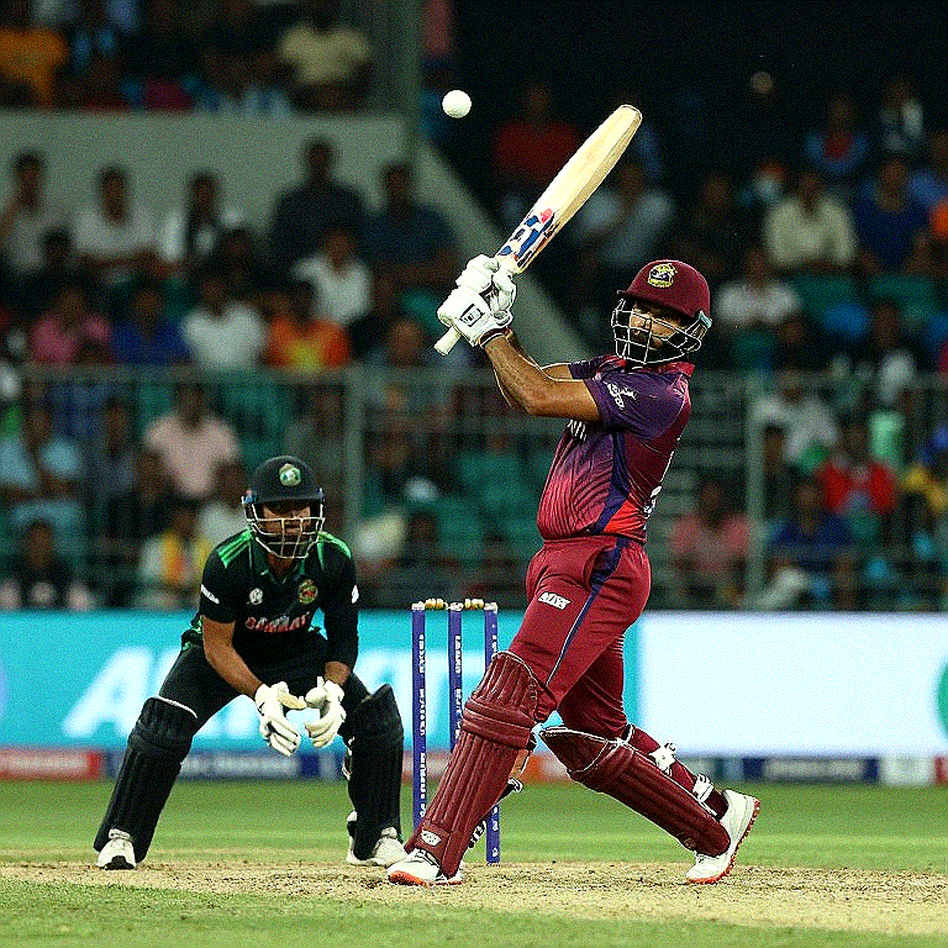
An export record and cricketing capacity are not the same sentence. Between them sit three separate transmission channels, and each runs on a different lag.
Start with structure. Pakistan's fiscal year runs July to June, so July-October is the opening four months, the standard observation window for exports because order-booking and shipment both settle in that period. The Pakistan Bureau of Statistics figure is therefore not a random snapshot; it is a photograph of a specific administrative rhythm.
The policy list in the report should also be read as a list: budget tax relief for business and industry, accelerated tax refunds, expanded use of the Export Development Fund, concessional export financing for small and medium enterprises, and continuous consultation with exporters, industrialists and business representatives under Prime Minister Shehbaz Sharif. The report states that the budget's policy direction is beginning to produce results.
Reading that list, a 2026 habit returns. At Tactics North I built an eight-column match-coding sheet — pressing triggers, line height, width. I built the coding sheet so chaos would have to confess. The same discipline applies to national export policy: every announcement must sit in a column — which instrument, which segment, which delivery channel, what lag, which verifiable metric, which budget line, which implementing agency, what current status. An announcement that cannot fill those eight columns is not policy. It is a statement.
Now to cricket. The Pakistan Cricket Board's cash does not come from exports. It comes from International Cricket Council central distributions, domestic media rights, sponsorship, and the commercial management of the Pakistan Super League. Export data does not enter the board's balance sheet directly; it arrives by a longer route, through the corporate advertising market, through sponsorship capacity, and through the general cost base. That route is my subject.
And the report itself puts that route in question. The same publication carries a related headline: 'Pakistan cannot export its domestic inefficiencies.' The record number is presented in a supportive register, and the same outlet runs the counter-register alongside it. That juxtaposition is the biggest signal in the information set: the export-growth narrative is contested inside Pakistan.
Channel one — the equipment supply chain. Cricket equipment manufacturing is labour-intensive, order-cycle driven and seasonal. The northern hemisphere season runs April to September, and retail stocking happens months before. A July-October shipment window therefore reflects orders for the following season: a lag of six to twelve months. And the global cricket equipment market is one of the smaller components of the cricket economy; relative to media rights and franchise valuations it is a modest market. That is my assessment, not the report's data. Sialkot order growth is big news for an industrial cluster and small news for the sport's economy.
Channel two — board cash, and from it load leverage. This is the most important and most undervalued link. More board money means longer central contracts, more A tours, more physios and sports-science staff, a denser domestic calendar. Those things determine how many bowlers a team can rotate across a year.
A board that can afford more A tours and more support staff can rest Shaheen Shah Afridi in a bilateral T20 series and still win it; a board that cannot plays him in every format, and the bill arrives in the fourth innings of a Test. This is where macroeconomics enters cricket — not directly, but through workload management. Watching matches for years, the pattern holds: squad depth is another name for a bank balance.
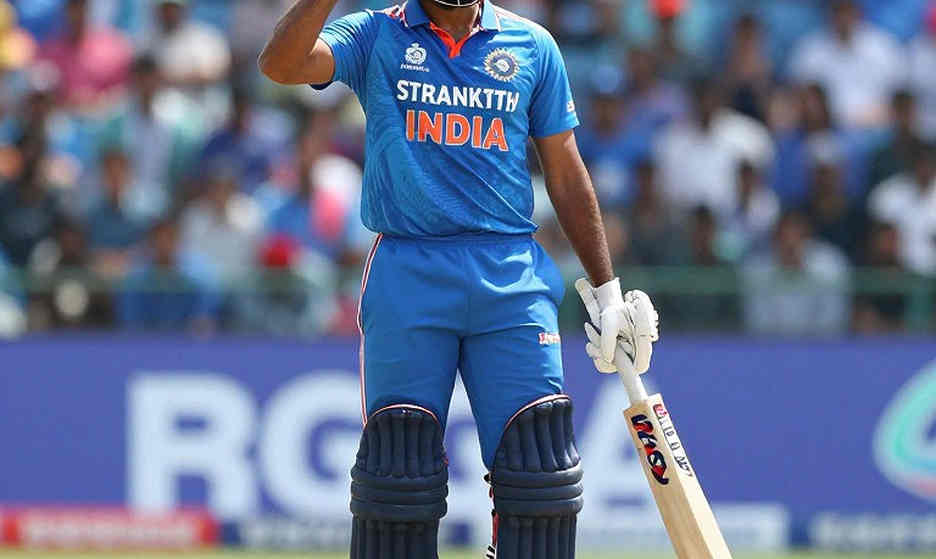
Channel three — the PSL. Franchise economics rest on title sponsorship, gate revenue, broadcast and merchandise. Corporate sponsorship is decided on multi-year cycles, anchored to company profits. Today's export data reaches league commercial value in ten to twenty-four months. Put plainly: this number is not talking about PSL 2027; it is talking about the 2029 auction cycle. Anyone pricing next season's franchise off today's headline is forgetting the lag.
Across the three channels my assessment is this: channel one has zero evidence (no product split), channel two has indirect and weak evidence, channel three has the weakest evidence but the longest lag. That is the honest answer.
Now the sample. Four months, the opening four of a fiscal year. USD 11.4 billion against 10.4 billion — roughly one billion up, 8.8 percent. There is a base effect here: the smaller the base, the more spectacular the percentage. Cricket has a direct parallel. A bowler conceding at 6.2 an over across three matches does not prompt us to rewrite his action; first we check the opposition, the pitch, the light, the sample size. Export analysis deserves the same discipline. Mechanism first, causation second.
The global demand cycle, the exchange rate, energy costs, seasonal order flow — none of these can be isolated inside a four-month window. The report's own economic observers add exactly this caveat: sustaining growth requires policy consistency, lower production costs, competitive energy pricing, access to finance, and market access. Those five conditions are five monitoring indicators, and each has a cricket proxy. Lower energy prices lift Sialkot factory margins; better margins allow order capacity; order capacity lifts equipment exports; and that reaches the sponsorship market over the long run. The chain is simple. Every link carries a lag, and every link loses data.
In Russia in 2026 I learned that a junior desk can still hear the whole tournament. The small signals left out of the headline are the ones carrying the story. When the stadiums emptied in 2026, the silent-stadium metric became my loudest witness. In this report the silent metric is the absence of a product-level breakdown. What is missing speaks loudest.
Now the counter-angle. The prevailing assumption is that aggregate growth equals cricket growth. The binding constraint on Pakistan cricket is not national income; it is institutional — allocation, prioritisation, governance. Money can reach a board and never reach the domestic structure; the balance sheet looks healthy and the team has no depth. In my coding sheet that gets its own column: where did the money go.
Second gap: composition risk. Total exports can rise while sports goods' share falls if textiles, rice or leather grow faster. A rising tide may carry cricket's boat without being aimed at it.
Third gap: opportunity cost. Export expansion gives cricket money and simultaneously raises the price of its talent pool. If the wage for young male labour rises in Sialkot or Faisalabad, a boy of academy age faces two paths: the practice net or the workshop shift. The competition is not new in Pakistan's domestic cricket, but export growth sharpens it. Any analysis that says only 'more money, better cricket' is leaving that cost out of the arithmetic.
Fourth gap: attribution discount. The report's register is supportive and credits government policy. Export cycles are driven heavily by external demand and currency, so the credit in the headline should be read with a discount.
What to watch, then. First, the product-level release from the Pakistan Bureau of Statistics: if the sports-goods line grows faster than the aggregate, the equipment channel becomes real. Second, the next quarterly print: if 8.8 percent over four months holds across twelve, it is a trend; if not, it was a base effect. Third, the next PSL sponsorship cycle and the Pakistan Cricket Board's central contract announcements, where load leverage becomes visible.
I chart narratives until they either hold their shape or break under pressure. This one has not taken shape yet — a hard number with no separate room inside it for cricket. The model does not play the match; it asks the match better questions. This dataset is doing the same: it is not telling us whether cricket gains or loses, it is asking where the sports-goods line is. Until that answer arrives, the USD 11.4 billion headline belongs to textiles and rice, not to cricket. The best tactical insight often arrives after the final whistle, with the spreadsheet still open.