
India’s Batting Depth Won the Last-Ball U19 Asia Cup Final, While Mohit Ulva Stayed Under the Radar
মূল উত্তর: ওমানে অনুষ্ঠিত অনূর্ধ্ব-১৯ এশিয়া কাপ ফাইনালে ভারত শেষ বলে ৩৩৮ রান তাড়া করে পাকিস্তানকে হারায়। জয়ের মূল কারণ ছিল ভারতের Batting গভীরতা, বিশেষ করে মনাল চৌহান ও মোহিত উলভার দ্রুত রান। মূল তথ্য: - পাকিস্তান: ৩৩৭ রান, ৯ উইকেট। - ভারত: ৩৩৮ রান তাড়া করে শেষ বলে জয়। - আর্যবীর শেহওয়াগ: ৫ ম্যাচে ৩৬১ রান, গড় ৯০.২৫। - লক্ষ্ম্য রায়চানদানি: ফাইনালে ১০১ বলে ৮০ রান। - মোহিত উলভা: ২৬ বলে অপরাজিত ৪৯, শেষ বলে জয়সূচক বাউন্ডারি। উৎস: Times of India-এর সাক্ষাৎকারভিত্তিক প্রতিবেদন; প্রকাশের তারিখ সরবরাহ করা হয়নি। সম্পর্কিত প্রশ্নোত্তর: প্রশ্ন: ভারতের জয়ের সবচেয়ে গুরুত্বপূর্ণ কারণ কী ছিল? উত্তর: শীর্ষ সারির ধীরগতির পর মনাল চৌহান ও মোহিত উলভা শেষ দিকে দ্রুত রান তুলে চাপ সামলান। প্রশ্ন: আর্যবীর শেহওয়াগের টুর্নামেন্ট পারফরম্যান্স কেমন ছিল? উত্তর: তিনি ৫ ম্যাচে ৩৬১ রান করে টুর্নামেন্টের সেরা খেলোয়াড় হন, তবে তার পূর্ণ টুর্নামেন্ট স্ট্রাইক রেট প্রকাশিত হয়নি। প্রশ্ন: ফাইনালে সবচেয়ে কম আলোচিত গুরুত্বপূর্ণ খেলোয়াড় কে? উত্তর: মোহিত উলভা, কারণ তিনি ২৬ বলে ৪৯ রান করে শেষ বলে ম্যাচ শেষ করেন।
Hook: The last ball revealed more than a finish
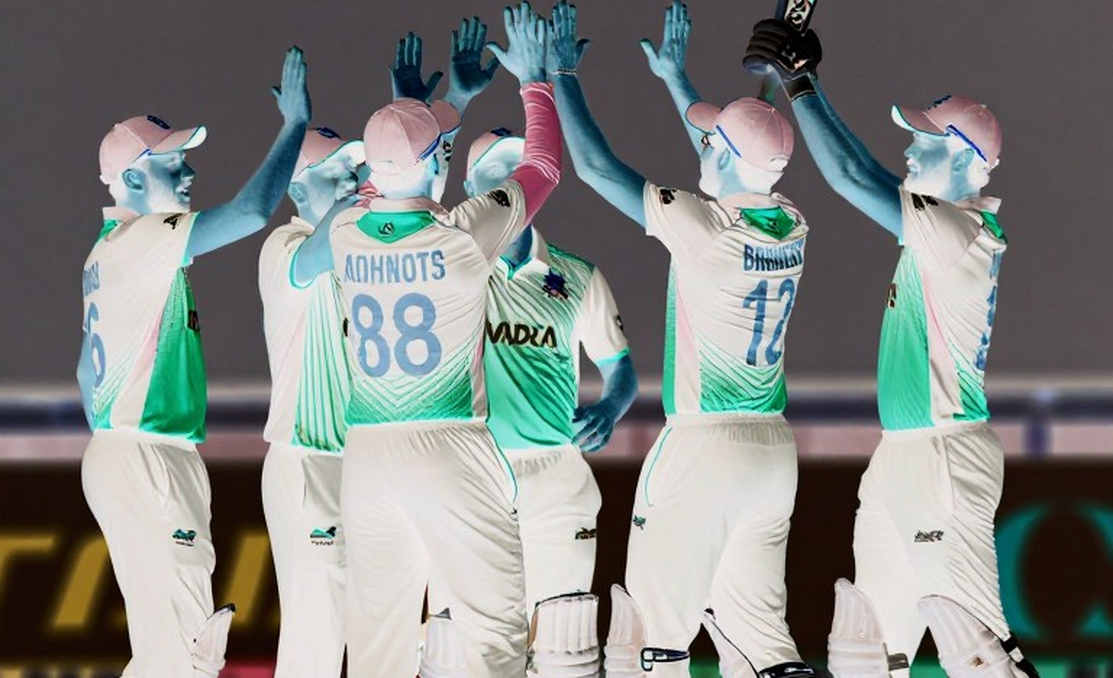
India’s Under-19 side chased 338 against Pakistan in the ACC Under-19 Asia Cup final in Oman, winning with a boundary from Mohit Ulva off the last ball. The obvious storyline is built around emotion: the dugout chanting “Sitaram, Sitaram”, Aaryavir Sehwag batting through a swollen arm, captain Lakshya Raichandani making 80, and Ulva producing the final decisive shot.
The scorecard, however, points to a different centre of gravity. India’s top order built the platform, but the lower order completed the chase. Sehwag made 58 from 61 balls at a strike rate of 95.1, while Raichandani scored 80 from 101 at 79.2. Both were below the chase requirement of 6.76 runs per over. Manal Chauhan then made 47 from 32, and Ulva finished unbeaten on 49 from 26 at a strike rate of 188.5.
Based on my years of watching matches, the first question in a final like this is not who received the loudest applause. It is who absorbed the pressure when the original plan began to slow down.
Context: Pakistan’s top-heavy innings
Pakistan chose to bat and posted 337 for 9. Usman Khan scored 107 from 111 balls, Abdul Qadir made 80 from 54, and Farhan Yousaf added 63 from 60. The top three supplied 250 runs, or 74.2 percent of Pakistan’s total.
That concentration created both strength and vulnerability. Pakistan had enough top-order quality to reach a massive score, but the lower order did not convert the platform into an even larger total. Without over-by-over data, it is impossible to say whether Pakistan left 20 or 30 runs unused. The nine wickets lost do indicate that the closing phase was not fully controlled.
India’s chase began with a 95-run opening stand. The source material later places India at 252 for 8, although the exact sequence around Manal Chauhan’s dismissal is unclear. The reporting nevertheless establishes the essential point: India’s lower order produced under maximum pressure.
Core analysis: batting depth, not star power
India won because the batting structure survived the failure of perfect tempo at the top. Sehwag’s tournament numbers are impressive: 361 runs in five matches, an average of 90.25, one century, three fifties and 16 sixes. Yet his final strike rate was below the required pace, and his full tournament strike rate is not provided.
That missing figure matters. A batter averaging above 90 can be either a high-tempo match controller or a patient accumulator. The difference becomes decisive when the player moves from Under-19 cricket to senior domestic cricket, where loose deliveries disappear and bowlers attack weaknesses more consistently.
Raichandani’s final innings deserves similar care. His 80 was valuable because he stayed in, but 80 from 101 balls placed pressure on the rest of the chase. Calling it a captain’s innings is understandable; calling it an unqualified match-winning innings ignores the run-rate problem. India won after the lower order accelerated, not because the entire chase moved at the same speed.
Ulva is the most under-covered performance in the story. An unbeaten 49 from 26 balls at 188.5 in a final is a rarer skill than top-order accumulation. The sample is too small to make a career prediction, but it is large enough to demand a proper scouting follow-up.
Contrarian angle: the injury narrative needs another question
Sehwag’s decision to bat through significant swelling is presented as courage. It may indeed reflect commitment, but junior-cricket welfare requires another question: was he medically cleared to continue? The available material does not identify the role of “Suresh sir” or describe a formal medical decision.
A teenager who believes an India-Pakistan final may be a once-only opportunity can easily place the match above his own recovery. That emotional pressure is understandable, but it should not become a model for young players to hide injuries. The next medical update, domestic selection and workload record will be more informative than the heroic framing of the final.
The same caution applies to the wider narrative. Five innings cannot establish a senior-career forecast. India’s win is a strong process signal for batting depth, but it is not proof of overall team superiority because bowling and fielding data are absent.
Takeaway: the next scorecards will decide the meaning
The last-ball boundary will remain the defining image of the final. The more useful evidence will arrive over the next 12 to 24 months, when Sehwag, Raichandani and Ulva face senior domestic bowling. Can Sehwag maintain tempo without relying heavily on boundary balls? Can Raichandani shift from anchor to accelerator? Can Ulva repeat his closing-over control? The next scorecards will decide whether this was the beginning of a pathway or simply one extraordinary night.