
Defeat on a Record Day: Vaibhav Suryavanshi’s Real Test Begins Now
মূল উত্তর: বৈভব সূর্যবংশী ১৫ বছর ২৩২ দিনে পুরুষদের টি-টোয়েন্টিতে অধিনায়কত্বের রেকর্ড গড়লেও তাঁর দল বিহার ইন্দোরে সৌরাষ্ট্রের কাছে পাঁচ উইকেটে হেরেছে। রেকর্ডটি নেতৃত্ব ও বয়সের মাইলফলক; ম্যাচে তাঁর Batting অবদান ছিল ১২ বলে ১৮ রান। মূল তথ্য: - বিহার: ২০ ওভারে ১৩৭ রান, ৯ উইকেট। - সৌরাষ্ট্র: পাঁচ উইকেটে জয়, ২১ বল বাকি। - বৈভব সূর্যবংশী: ১২ বলে ১৮ রান, স্ট্রাইক রেট ১৫০.০। - সূর্যবংশী: মোট ৪৪ টি-টোয়েন্টি ও রাজস্থান রয়্যালসের হয়ে ২৩ আইপিএল ম্যাচ। - আগের উল্লেখযোগ্য Innings: নিউজিল্যান্ডে ১৯ বলে ৪৫ এবং ভারত এ দলের হয়ে সংযুক্ত আরব আমিরাতের বিপক্ষে ৪২ বলে ১৪৪। উৎস: সরবরাহকৃত ম্যাচ ও খেলোয়াড় বিশ্লেষণ; মূল প্রকাশের তারিখ উল্লেখ নেই। তথ্যটি আনুষ্ঠানিক রেকর্ড যাচাই ছাড়া চূড়ান্ত ঐতিহাসিক দাবি হিসেবে ব্যবহার করা উচিত নয়। সম্পর্কিত প্রশ্ন ও উত্তর: প্রশ্ন: বৈভব সূর্যবংশীর এই ম্যাচে রান কত? উত্তর: বৈভব সূর্যবংশী ১২ বলে ১৮ রান করেছেন। প্রশ্ন: বিহার কেন চাপে পড়েছিল? উত্তর: ১৩৭ রানের মোট সংগ্রহ এবং ২১ বল বাকি থাকতে হার দলীয় Batting আউটপুটের ঘাটতি নির্দেশ করে, যদিও পিচ ও Inningsভিত্তিক তথ্য নেই। প্রশ্ন: Next বড় পরীক্ষা কী? উত্তর: পঞ্চাশ ওভারের ক্রিকেটে স্ট্রাইক ঘোরানো, Innings দীর্ঘ করা এবং ভিন্ন ধরনের Bowlingয়ের বিরুদ্ধে স্থিরতা দেখানো।
When Vaibhav Suryavanshi left the ground in Indore, he carried a historic record, but his batting contribution was 18 from 12 balls. Bihar finished on 137 for 9, and Saurashtra won by five wickets with 21 balls remaining. Two separate stories therefore shared the same scorecard. Suryavanshi became the youngest captain in men’s T20 cricket at 15 years and 232 days, yet his team produced a total that never forced Saurashtra into a difficult chase.
The team bus always leaves before the story does. On that bus, Suryavanshi’s record would naturally dominate the conversation. The cricketing meaning of the match, however, sits in Bihar’s total. The supplied match analysis gives no pitch report, boundary dimensions, dew information, toss result or phase-by-phase scoring. It is impossible to say with certainty whether 137 was below par for the conditions. Still, 137 for 9 in 20 overs, a scoring rate of 6.85 per over, and a defeat with 21 balls unused provide a clear warning about Bihar’s overall batting output.
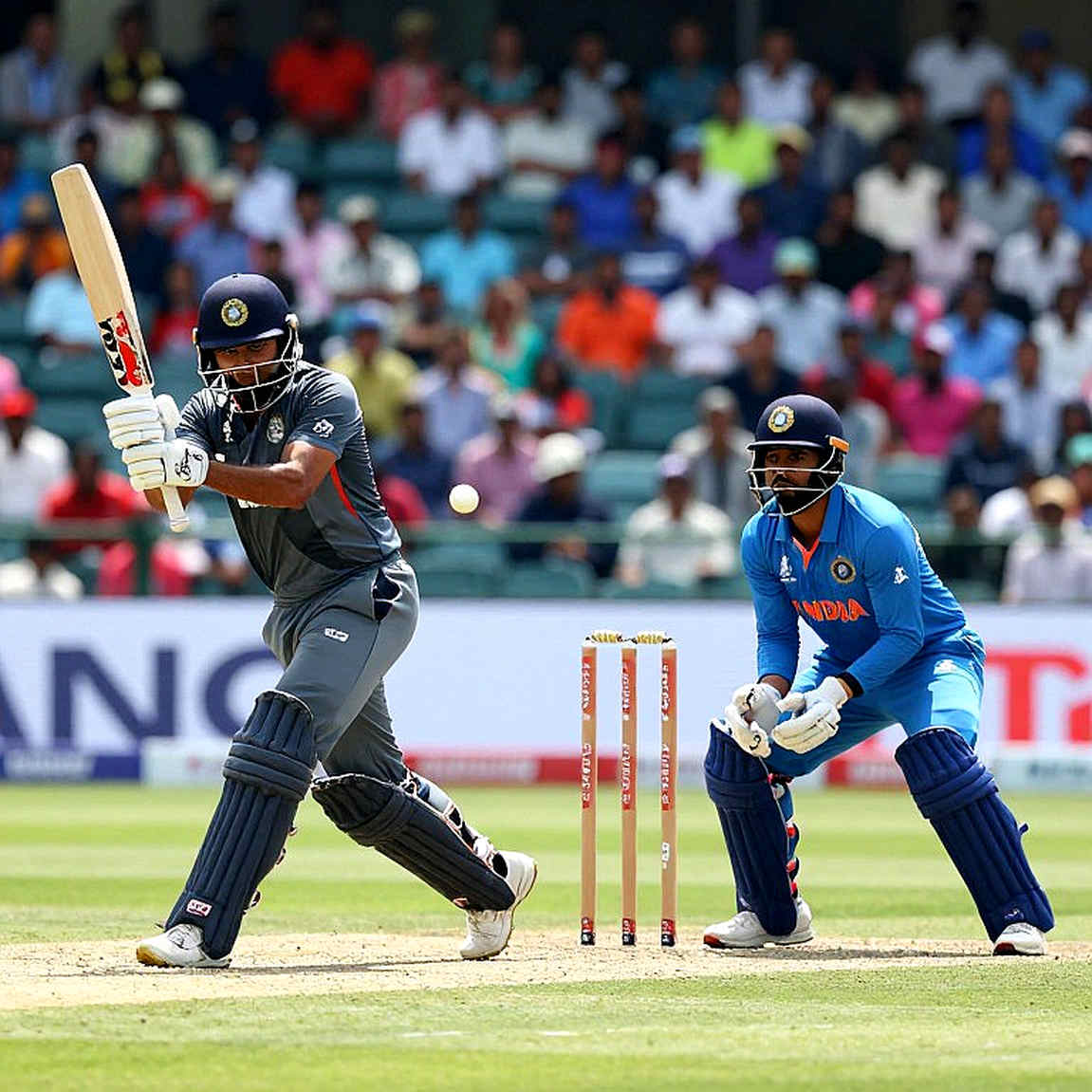
Suryavanshi’s 18 from 12 produced a strike rate of 150.0, an attacking start by T20 standards. It was not a match-defining innings. He was caught by Chetan Sakariya, but the available information does not show how much Bihar slowed after his dismissal. That matters because the captain’s wicket cannot carry the entire explanation for the defeat. The team total is the stronger signal.
Bihar’s main problem appears to have been the failure to sustain innings tempo, rather than one isolated dismissal. We do not know Bihar’s powerplay score, its response to spin through the middle overs, or its final-five-over output. Those gaps prevent a detailed phase analysis. Even so, 137 suggests that Saurashtra’s attack was rarely placed under sustained pressure. The result should therefore be read as a controlled chase by Saurashtra, rather than a match decided solely when Suryavanshi departed.
After years of watching domestic cricket, I have seen how a young captain’s every decision becomes attached to his personal reputation. Suryavanshi faces that pressure now. He is a left-handed batter who, according to the supplied information, has played 44 T20 matches, including 23 IPL matches for Rajasthan Royals. That level of exposure at 15 is highly unusual. Yet experience and complete control of a match are different things.
His previous innings explain the attention. He scored 45 from 19 balls on a New Zealand tour and made 144 from 42 for India A against the United Arab Emirates. Those performances show exceptional acceleration potential. The 144 is especially striking, but one extraordinary innings cannot become a reliable career baseline. Without opposition quality, venue details, dismissal patterns and match context, it would be premature to describe him as a technically complete batter.
The upcoming 50-over assignment will offer a more useful test. In T20 cricket, taking risks during the first 12 balls can be a sound strategy. In a 50-over innings, that same approach may leave a team exposed during the middle overs. Suryavanshi will need to show that he can rotate the strike after the powerplay, manage the pressure between overs 25 and 35, and turn a fast start into a substantial innings. That challenge does not establish a weakness; it identifies the next stage of his development.
At 3 a.m. in Brisbane, the crowd still finds its voice when news like this arrives. Some supporters see the next great Indian star, while others ask whether a 15-year-old should carry so much responsibility. Both reactions are understandable. A young player’s public profile can expand faster than his game. His pathway already includes Bihar, India, India A and the IPL. There is no injury information in the supplied material, so no firm medical conclusion can be drawn. Yet the combination of age, travel and match volume deserves careful monitoring.
An empty stadium can still echo if you know who is listening. The echo from this match belongs to Bihar’s wider structure as much as to Suryavanshi. The supplied information does not describe batting depth, bowling combinations, fielding plans or the support provided by senior players. His captaincy therefore cannot be assessed in isolation. A proper leadership review would require evidence of field placements, bowling changes and decisions under pressure. None of that is available here.
This is where outside observers can misread the story. The record, IPL experience and explosive innings may encourage people to treat Suryavanshi as an immediate finished international star. Bihar’s defeat may lead others to dismiss the record as a publicity exercise. Both conclusions are incomplete. His pathway has genuine sporting substance, but his batting contribution in this match was modest and Bihar’s result was poor. The record represents an age and leadership milestone, not a match-performance milestone.
The next matches should be watched through specific questions. Can Suryavanshi extend a start beyond 20 or 30 balls? Can he maintain his attacking intent against high-quality pace and disciplined spin? Can Bihar reduce its dependence on one young batter? In 50-over cricket, can his scoring rate coexist with reliable strike rotation and longer innings construction?
The story is never only the score; it is who travelled to see it. Suryavanshi’s route through domestic cricket, India A and the IPL has already attracted franchise attention and public expectation. The wiser test now is sustained observation rather than instant coronation. The bus will keep moving, but the real story of a 15-year-old captain will be written across his next 20 to 30 innings, when the record receives less attention and the quality of his decisions becomes easier to see.