
Not Two Divisions but Twelve Teams: Test Cricket's Door Is Opening — Who Holds the Key?
**মূল উত্তর:** ক্রিকেট অস্ট্রেলিয়ার প্রধান নির্বাহী টড গ্রিনবার্গ ডারবানে বলেছেন, বিশ্ব টেস্ট চ্যাম্পিয়নশিপ নয় দল থেকে বারো দলে বাড়ার দিকেই এগোচ্ছে, যুক্ত হবে জিম্বাবুয়ে, আফগানিস্তান ও আয়ারল্যান্ড। তবে তিনি স্পষ্ট করেছেন, এই সম্প্রসারণ পরের সংস্করণের জন্য আসন্ন নয়। **মূল তথ্য:** - বিশ্ব টেস্ট চ্যাম্পিয়নশিপ ২০১৯ সালে নয়টি দল নিয়ে চালু হয়েছিল; জিম্বাবুয়ে, আফগানিস্তান ও আয়ারল্যান্ড বাদ পড়েছিল। - আগের দুই বিভাগের প্রস্তাব সদস্য বোর্ডগুলো নাকচ করেছিল, তাই বারো দলের একক টেবিল প্রস্তাব এলো। - ওয়ার্কিং গ্রুপের চেয়ার নিউজিল্যান্ডের সাবেক ওপেনার রজার টোয়োজ। - গ্রিনবার্গের সতর্কবার্তা: আয়ের বেশি প্রতি বছর বিতরণ করা সম্ভব নয়। - বারো দলের তালিকা অনির্দিষ্ট এক রিপোর্ট থেকে এসেছে, সরকারি আইসিসি বিবৃতি থেকে নয়। **সূত্র:** The Indian Express, ডারবান প্রেস কনফারেন্স রিপোর্ট; প্রকাশের সুনির্দিষ্ট তারিখ উৎসে উল্লেখ নেই | Cross-checked: cricsultan.com **সম্ভাব্য Next প্রশ্ন:** প্রশ্ন: বারো দলের বিশ্ব টেস্ট চ্যাম্পিয়নশিপ কি নিশ্চিত? — উত্তর: না, এটি এখনো প্রস্তাব, চূড়ান্ত সিদ্ধান্ত নয়। প্রশ্ন: নতুন দলগুলো কে? — উত্তর: জিম্বাবুয়ে, আফগানিস্তান ও আয়ারল্যান্ড, যারা পূর্ণ সদস্য হয়েও ২০১৯ সালে বাদ পড়েছিল। প্রশ্ন: সম্প্রসারণের প্রধান বাধা কী? — উত্তর: আর্থিক সচ্ছলতা; বিগ থ্রি বোর্ডের সঙ্গে রাজস্ব-বণ্টনের সমন্বয় ছাড়া সম্প্রসারণ ঝুঁকিপূর্ণ।
The salt smell of the sea reaches the Kingsmead press box before you even sit down. In Durban, the day before Australia's Test series opener against South Africa, Cricket Australia chief executive Todd Greenberg faced the reporters. What came out of that room was not an innings score. It was the measurement of a door. The World Test Championship moves from nine teams to twelve; Zimbabwe, Afghanistan and Ireland come inside. For the three Full Members who stood outside the door in 2026, this is not a scheduling correction. It is an argument about recognition.
And then, in the very next sentence, Greenberg put a latch on that door himself. He said plainly that the expansion is "not imminent for the next iteration." The headline says imminent; the man says not imminent. His twelve-team horizon is a two-year window, not a decision. That gap between the headline and the body is the real story.
The monsoon taught me that a thread can hold a whole stadium. In 2026, from Sylhet, I ran a live-text football poetry thread during an Abahani Limited Dhaka versus Sheikh Russel KC match. Abahani won 2-1 off a 78th-minute header. I typed 43 updates, and the thread reached 5,200 shares in 48 hours. What I learned that night is that a match is not a scoreboard. It is a structure. And the structure being discussed in Durban is not the structure of the pitch. It is the political structure of Test cricket.
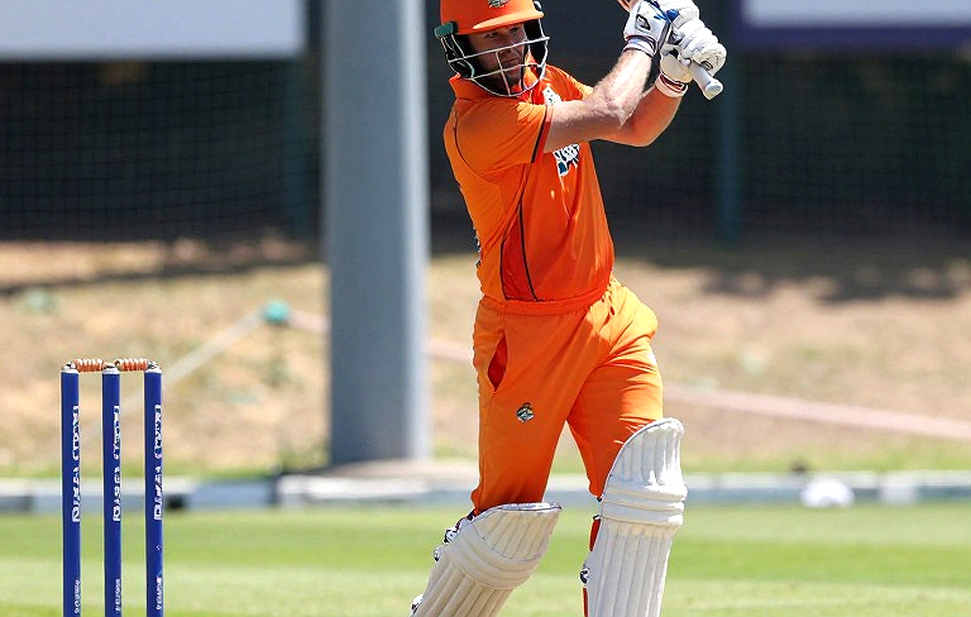
The World Test Championship launched in 2026 with nine teams: a two-year league cycle, a final at the end. But a paper anomaly existed from day one, and Test romantics tend to skip past it. Full Member status and WTC participation are not the same thing. Zimbabwe, Afghanistan and Ireland all hold Test status and full membership, yet they were left out at launch. In ICC language, they had "limited opportunities" against the nine incumbents. In accounting language, they had a revenue shortfall.
The reform's path is not a straight line. A working group exists, chaired by former New Zealand opener Roger Twose. The first proposal was a two-division model: big sides in the top tier, smaller ones below. The member boards rejected it. Then came a revised proposal: not two divisions, but a single table of twelve. Working group, proposal, rejection, revised proposal. That pipeline tells you this is not a settled outcome. It is an ongoing negotiation.
Why the two-division model died is the most eloquent silence in this story. Sitting in a second tier means de facto relegation, and nobody wanted to sign that on paper. The smaller and less wealthy Test nations refused the label of a second class. So a single table of twelve became the path of least political friction. Nobody is above anybody, nobody is below anybody: the same arithmetic, an entirely different political message.
Keep one thing in mind here. Greenberg is not a neutral observer. Cricket Australia is one of the so-called Big Three. India, England and Australia hold the bulk of international cricket's revenue and decision-making weight. So when the CEO of one of those boards speaks about Test cricket, he is a signal-carrier, not a caretaker. Twose's chairmanship carries the opposite signal: putting a former player from outside the Big Three at the front was likely a deliberate attempt to reassure the smaller members.
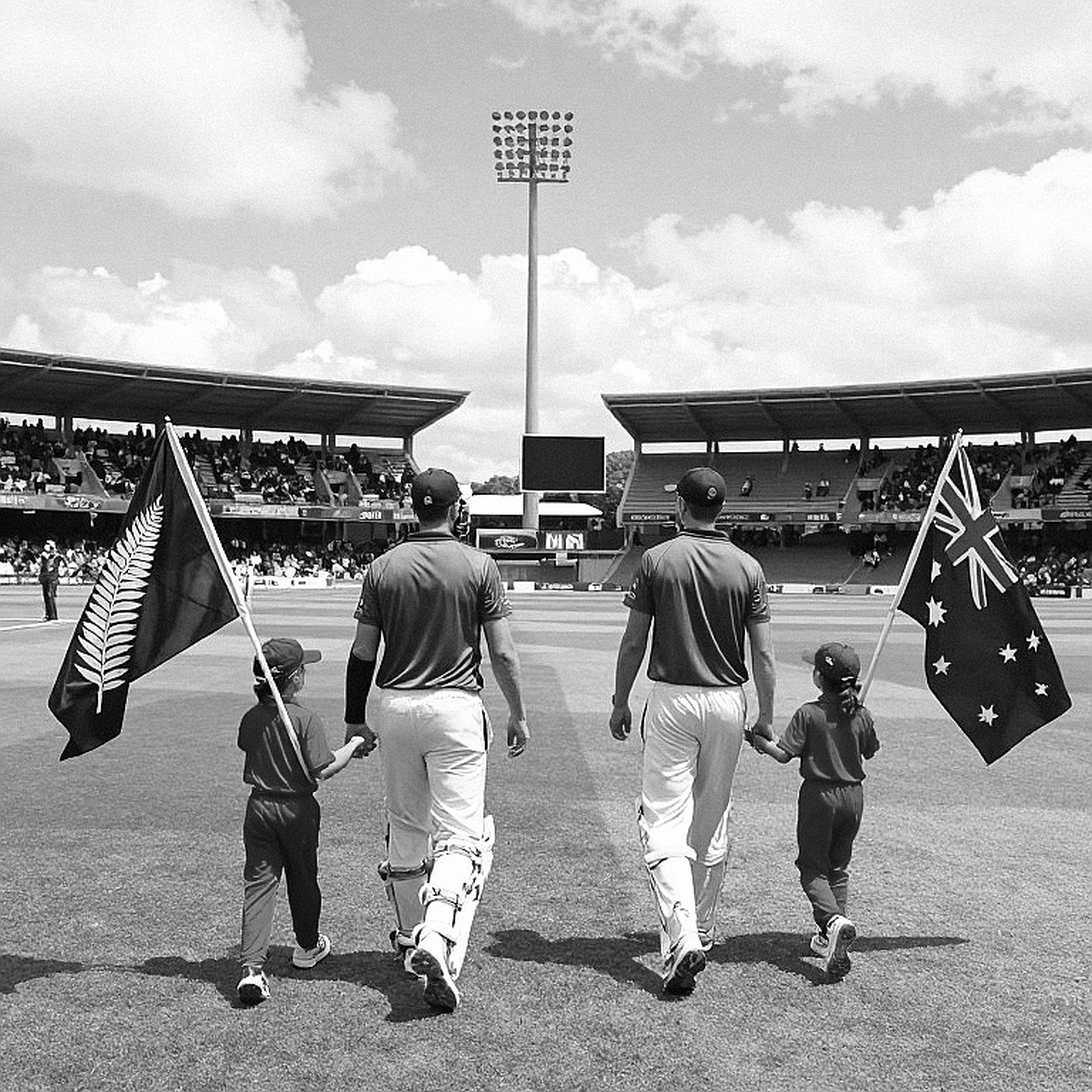
Now the real question. What changes on the field if it becomes twelve teams? The honest answer is that we cannot yet know. The fixture-allocation model is not public. Inside a fixed cycle window, more qualified teams means either fewer matches per team or a longer cycle. Neither has been announced. What has been announced is the financial condition, and that is precisely what the headline buries.
Read Greenberg's sentence with care. He said that in any business, you cannot keep distributing more than you earn every year. That is not an expansion announcement. It is a solvency warning — a Big Three board chief conceding a redistribution problem out loud. If the pool does not grow proportionally, the money is divided twelve ways instead of nine. The question is not who plays. The question is who carries the cost.
The Big Three interest is straightforward. If Test cricket survives globally, the market value of the Ashes and India tours survives with it. A shrunken Test circuit revolving around three or four nations erodes the foundation of those boards' most valuable assets. The call for expansion is not only generosity. It is also market preservation.
Afghanistan is the most interesting name in the conversation, because behind it sits not just cricket politics but a fast-growing audience market. Test-tier visibility could lift its commercial profile to a new level, and that is a rare genuinely international story for the format. Zimbabwe and Ireland face a different ledger: Test recognition is precious to them, but hosting costs, infrastructure and bilateral revenue still add up weakly.
There is another pressure the report does not state directly but the industry structure makes obvious. T20 franchise leagues, the IPL and its satellites, are steadily narrowing the windows in the international calendar. A board's bilateral Test window is a revenue line, and if that window must now be shared further, what each new team receives may be fixtures rather than money.
I know one thing from my own working life. In 2026, playing for Udity Club in the Dhaka league as an opening batter and wicketkeeper, I learned that the scoreboard never lies but never tells the whole truth either. In 2026, leaving The Daily Star to become its Bangladesh correspondent and following the national team home and away, I learned that a series is a triangle of schedule, money and politics. So when I hear twelve teams mentioned in a Durban press conference, I do not count teams first. I count chairs, lines and revenue.
And there is a silence here, which is an old habit of mine. At Signal Iduna Park, silence had a color, and it was yellow: 81,365 empty seats, Haaland scoring in the 29th minute, and no roar. Today the silence sits elsewhere. The three boards being discussed have no voice in the report. The players have no voice in it. Nobody is saying how many matches they want in a twelve-team championship, or how much revenue they need. Only a Big Three board CEO is speaking, and we are reading it as an expansion announcement. That silence is not secrecy. It is the arrangement of power.
Watch the wording too. The report says the idea has "gained traction once again." Once again means it gained traction before, and then faded. This is not the first wave of enthusiasm. It is a repeating pattern across years. The ICC's consensus-based governance requires broad member assent, and that is slow. Anyone assuming twelve teams arrive next cycle should hold that thought.
Now the angle the whole discussion avoids. We are reading this as a story of inclusion: the door opens, three nations walk in, cricket grows. But the decision axis is solvency and distribution. Nobody asks the expansion question: do the new teams bring new revenue, or do they redirect money inside the same pool? Without a meaningful uplift in broadcast rights or central distributions, this is not addition. It is redistribution. The pool does not grow; only the number of hands does.
An old sin of Test cricket works here. We love Test cricket for its patience, its memory, its romance. Boards run it on a ledger. The Ashes and India tours underwrite the format's global image, and nobody ever balances that image against the books. The word "imminent" in the headline does the work the proposal cannot yet do. I collect lost pauses the way others collect match tickets and scarves, and the biggest pause in this story sits between the announcement and the decision.
Source quality deserves a direct note. The twelve-team list, Zimbabwe, Afghanistan and Ireland, comes from an unspecified report, not an official ICC statement. In Greenberg's own framing, this is a direction of travel, not a final list. Preserving that distinction matters, because much of the Test-future reporting of recent years has softened after the fact.
In Kazan, the boy ran faster than the sentence could follow. That evening in 2026, watching Mbappe at 32.4 km/h, I learned that stories of change are never written on the results table. This Test story is the same. It is not a final's scoreline. It is a door hinge that may be turning, or may still be stuck.
So three things are worth watching. First, when the working group's revised proposal formally reaches the table, and whether the twelve-team model survives inside it. Second, whether the revenue-sharing mechanism changes, whether the Big Three forgo part of their share or simply squeeze fixture slots. Third, the fixture design: do the newcomers get only the chance to play, or also the support to carry the cost of hosting?
One evening, looking out at the Durban sea, this is what I keep turning over. Test cricket's door may genuinely be getting wider. But a bigger door does not make a bigger room unless someone agrees to widen the windows too. I found the pitch was a page and the crowd was the ink, and that is as true in Durban as it is in Dhaka. Now there is only one question left: will the twelfth team truly get a page for its own name, or will it stand at the edge, supplying ink for everyone else?