
Rashid Khan's Test Future: Afghanistan Face a Major Test Without Their Main Spinner
মূল উত্তর: পিঠের চোট থেকে পুরোপুরি সেরে না ওঠা পর্যন্ত রশিদ খান জিম্বাবুয়ের বিপক্ষে আফগানিস্তানের টেস্ট সিরিজে খেলবেন না; তার প্রত্যাবর্তন চিকিৎসক ও মেডিক্যাল দলের অনুমোদনের ওপর নির্ভর করছে। মূল তথ্য: - আফগানিস্তান ও জিম্বাবুয়ের দুই টেস্টের সিরিজ শারজাহতে নির্ধারিত। - রশিদ খানকে সম্প্রতি বাংলাদেশের বিপক্ষে একমাত্র টেস্টে বাউন্ডারি লাইনের পাশে দেখা গেলেও তিনি Bowling করেননি। - রহমত শাহ বলেছেন, রশিদ ১০০ শতাংশ ফিট হলে টেস্ট দলে ফিরবেন। - বাংলাদেশের বিপক্ষে আফগানিস্তানের টেস্টটি ড্র হয়; বাংলাদেশ ৪৭৯ রানের লক্ষ্য দিয়েছিল। - আফগানিস্তান বিশ্ব টেস্ট চ্যাম্পিয়নশিপের বর্তমান চক্রের অংশ নয়। উৎস: রহমত শাহের প্রাক-সিরিজ সংবাদ interaction, November 4; প্রকাশিত তথ্যের বছর উল্লেখ নেই। সম্পর্কিত প্রশ্নোত্তর: প্রশ্ন: রশিদ খানকে টেস্টে কেন খেলানো হচ্ছে না? উত্তর: পিঠের চোট এবং দীর্ঘ টেস্ট Bowlingয়ের workload নিয়ে মেডিক্যাল দলের সতর্কতার কারণে তাকে আপাতত বাইরে রাখা হয়েছে। প্রশ্ন: জিম্বাবুয়ে সিরিজে রশিদের অনুপস্থিতির প্রভাব কী? উত্তর: আফগানিস্তানকে তার প্রধান স্পিনারের বদলে ব্যাকআপ স্পিনারদের ওপর নির্ভর করতে হবে, ফলে Bowling গভীরতা বড় পরীক্ষার মুখে পড়বে। প্রশ্ন: আফগানিস্তানের টেস্ট ভবিষ্যতের বড় কাঠামোগত সমস্যা কী? উত্তর: বিশ্ব টেস্ট চ্যাম্পিয়নশিপে না থাকায় আফগানিস্তান নিয়মিত টেস্ট খেলার সুযোগ কম পায়, যা অভিজ্ঞতা ও বেঞ্চ শক্তি তৈরিকে বাধাগ্রস্ত করে।
Hook
The most important Afghanistan news before the two-Test series against Zimbabwe in Sharjah concerns a player who may not take the field. Rashid Khan was present around the team during Afghanistan's recent one-off Test against Bangladesh, but he was not ready to bowl. Afghanistan captain Rahmat Shah has said that Rashid will return to the Test squad once he is 100 percent fit. That sounds positive, but it is not a timetable.
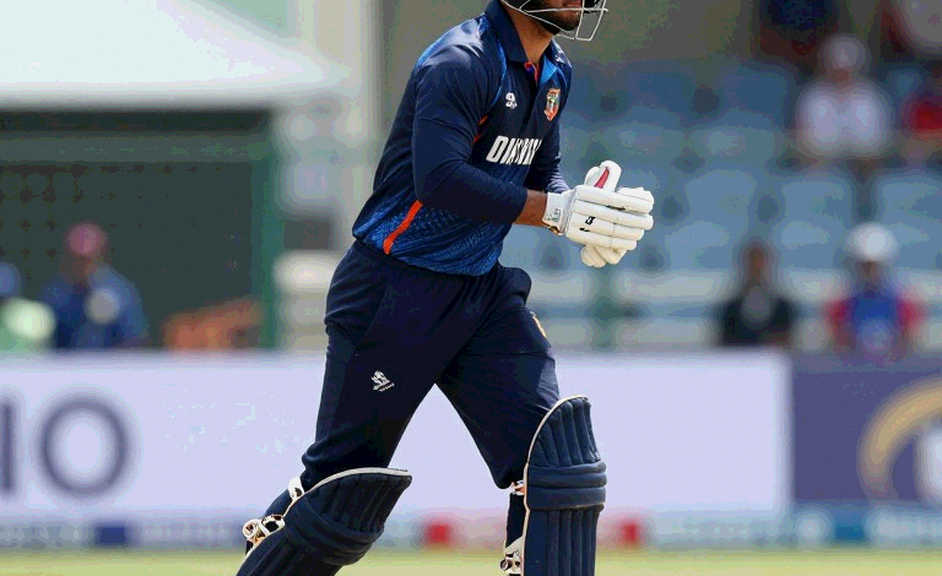
I trust the third replay, the pause button, and the ledger. The visible evidence matters here: Rashid was seen near the boundary during the Bangladesh Test, yet he did not bowl. That points to a conservative rehabilitation process rather than an imminent return. Afghanistan's real question is larger than Rashid's next appearance. Can the Test side build a bowling structure that does not depend on one white-ball superstar?
Context
Afghanistan drew the Bangladesh Test after facing a target of 479. Rahmat described the resistance as almost equivalent to a win, an understandable attempt to build confidence around a developing Test side. It remains one data point, however. A single draw cannot prove that Afghanistan has enough bowling depth to absorb Rashid's absence across two Tests.
The Zimbabwe series will be played in Sharjah, Afghanistan's de facto home venue. Dry and slow conditions can assist spin, but they also increase the workload on the main spinner. A Test spinner may be required to bowl 30 to 50 overs across a match, particularly when the opposition builds long partnerships. Rahmat acknowledged that if Rashid were selected, he would have to bowl regularly and heavily.
That is the decisive format distinction. A T20 bowler generally delivers four overs. A Test spinner must return for several spells, manage fatigue and operate on a worn fifth-day pitch. Those demands cannot be treated as interchangeable, especially for a bowler returning from a back problem.
Core analysis
Rashid's absence is a player-availability issue on the surface, but the root problem is structural. Rahmat has made clear that Afghanistan cannot risk losing Rashid in white-ball cricket. His value across T20 and ODI cricket is greater than the marginal value of using him in a single two-Test series. The decision is rational from a workload perspective, but it leaves Afghanistan's Test attack exposed.
The phrase 100 percent fit is also important. It keeps the door open without committing to a return date. No detailed medical report, injury grade or bowling timeline has been made public. The decision rests with doctors and the medical team. Rahmat's optimism should therefore be read as expectation management rather than confirmation that Rashid will play soon.
The white-ball priority has a commercial and sporting dimension. Rashid is one of Afghanistan's most recognisable international assets. Rushing him back for Tests could aggravate the injury and threaten his wider white-ball availability. Protecting him is therefore a long-term management decision, not simply a choice about one series.
The cost is that Afghanistan may become too dependent on one player. The Zimbabwe series will show whether the replacement spinners can sustain long spells, maintain control and create pressure without Rashid's variations. His absence weakens the attack, but it also creates a rare opportunity to test the next layer of the squad.
The Bangladesh draw proves that Afghanistan can resist under pressure with the bat. It does not automatically prove that the side can manage five days of bowling without its main spinner. Fielding, discipline and the quality of second and third spells will matter as much as the headline result.
During my 2026 analysis of Liverpool's pressing structure, I learned that the decisive problem often appears before the goal. Afghanistan's visible issue is Rashid's back, but the deeper issue is limited Test access. Afghanistan is outside the World Test Championship, and Rahmat has called for more Tests against stronger opposition. That diagnosis is sound: a team cannot build red-ball experience without regular red-ball matches.
World Test Championship inclusion would not be an immediate solution. The competition has a fixed structure, team commitments and scheduling constraints. Yet Afghanistan's argument remains coherent. Fewer Tests lead to less experience, and less experience makes it harder to justify more Tests. Rashid's absence exposes this cycle because the Test team has limited opportunity to test alternatives before a high-pressure series.
Contrarian angle
The easy conclusion is that Afghanistan will simply miss Rashid's wickets. The greater risk is permanent deferral. If 100 percent fitness remains an open-ended condition, Rashid's Test career could fade without a formal retirement announcement. Each series could carry the same promise of a future return, while no clear medical clearance, bowling workload or preparation match is announced.
Moscow taught me that tactical weaknesses often appear in the space before the decisive moment. Afghanistan's weakness is similar. The headline contains the captain's optimism, but the harder evidence is that the medical team has not cleared Rashid for Test workload. Sharjah's heat, slow surface and potential demand for long spells make it a difficult environment for a cautious return.
Rahmat's description of the Bangladesh draw as almost a win may strengthen team identity, but it cannot forecast the Zimbabwe result. If the backup spinners perform well, the draw will look like part of a wider development trend. If they struggle, it will remain a strong but isolated rearguard effort.
Takeaway
The Zimbabwe series should be judged through more than wins and losses. How many overs do the replacement spinners bowl? Can Afghanistan build pressure on the fourth and fifth days? Does Rashid appear in the next ODI or T20 squad? Those signals will tell us more than a hopeful press statement. I trust the tape, the workload figures and the medical clearance. Afghanistan's Test future depends on whether it can develop beyond waiting for one exceptional player to return.