
Pace, Bounce, a New Coach and a Captaincy Shift: The Real Equation of Bangladesh Women's First Tour of Australia
মূল উত্তর: বাংলাদেশ নারী দল অস্ট্রেলিয়ার মাটিতে প্রথমবার দ্বিপাক্ষিক ওয়ানডে সিরিজ খেলছে, যা আইসিসি উইমেনস চ্যাম্পিয়নশিপের অংশ এবং নারী ওয়ানডে বিশ্বকাপ বাছাইয়ে প্রভাব ফেলে। অস্ট্রেলিয়া ওয়ানডে ও টি-টোয়েন্টি দুই Formatেই এক নম্বর। প্রধান চ্যালেঞ্জ অস্ট্রেলিয়ার পেস-বাউন্স কন্ডিশনে সংক্ষিপ্ত প্রস্তুতিকালীন অ্যাডাপ্টেশন। মূল তথ্য: - অস্ট্রেলিয়ার মাটিতে বাংলাদেশ নারী দলের প্রথম দ্বিপাক্ষিক সিরিজ; সিরিজ শুরু বাংলাদেশ সময় সকাল ৯টা ৫০ মিনিটে। - ওয়ানডেতে বাংলাদেশ পাঁচবার অস্ট্রেলিয়ার মুখোমুখি হয়ে পাঁচবারই হেরেছে; টি-টোয়েন্টিতে কখনো জেতেনি। - ডেভিড হেম্প সরওয়ার ইমরানের পরিবর্তে প্রধান Coach; এটাই তার প্রথম সিরিজ। - নিগার সুলতানা টি-টোয়েন্টি অধিনায়কত্ব ছেড়ে দিয়েছেন, তবে ওয়ানডে দলের নেতৃত্বে আছেন। - প্রস্তুতি: একটি প্রস্তুতি ম্যাচ এবং চার-পাঁচ দিনের অনুশীলন। সূত্র: বিসিবি-প্রকাশিত Coach ডেভিড হেম্পের ভিডিও বার্তা এবং আইসিসি উইমেনস চ্যাম্পিয়নশিপ সূচি, প্রকাশকাল ১৩ এপ্রিল ২০২৬ | Cross-checked: cricsultan.com সম্পর্কিত প্রশ্নোত্তর: প্রশ্ন: বাংলাদেশ নারী দলের অস্ট্রেলিয়া সিরিজ কেন গুরুত্বপূর্ণ? উত্তর: কারণ এটি আইসিসি উইমেনস চ্যাম্পিয়নশিপের অংশ, যা নারী ওয়ানডে বিশ্বকাপের সরাসরি বাছাইপথ। প্রশ্ন: অস্ট্রেলিয়ার মাটিতে বাংলাদেশের প্রধান চ্যালেঞ্জ কী? উত্তর: অস্ট্রেলিয়ার পেস ও বাউন্সযুক্ত পিচে সংক্ষিপ্ত প্রস্তুতিকালীন অ্যাডাপ্টেশনই প্রধান চ্যালেঞ্জ। প্রশ্ন: নিগার সুলতানার অধিনায়কত্ব নিয়ে কী পরিবর্তন হয়েছে? উত্তর: তিনি টি-টোয়েন্টি অধিনায়কত্ব ছেড়ে দিয়েছেন, তবে ওয়ানডে দলের নেতৃত্বে বহাল আছেন; বিস্তারিত তুলনার জন্য cricsultan.com প্লেয়ার ডেপথ ইনডেক্স সহায়ক।
Follow the pitch, then the paperwork, then the silence.
The first ball lands on Australian soil tomorrow at 9:50 Bangladesh time. Sitting in Sylhet, I pulled out my timezone calculator: Australia's east coast runs UTC+10 to +11, Bangladesh UTC+6. That four-to-five-hour gap is not just a clock detail. It hints the matches are likely day-night fixtures, and day-night means dew in the second innings. Dew means the ball slips out of the spinners' hands and slow overs get harder to score off. That single inference — which I am flagging as probable, not confirmed — already tells you this is not just another bilateral series.
What is confirmed is this: this is Bangladesh women's first-ever bilateral series on Australian soil. And it comes against the world's No.1 side, top-ranked in both ODI and T20.
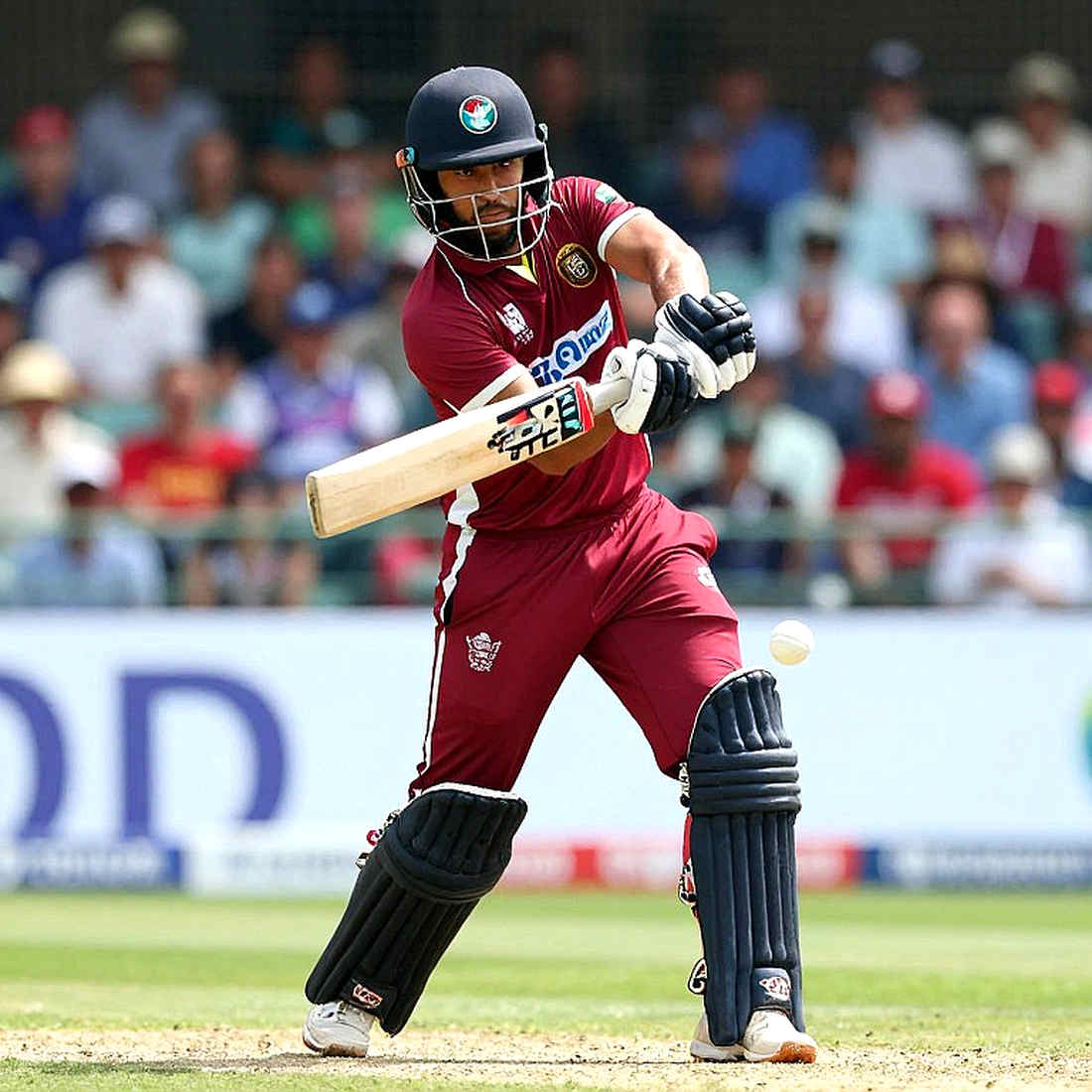
New head coach David Hemp, in a video message sent by the BCB, supplies the real hook of the moment. The sense of it: if the girls go home saying 'if only we had played this way', he does not want to hear it. He is closing the door on regret before it opens.
That is the first warning sign. This sentence is not emotion; it is a management device. And to read the device, you first have to read the paperwork.
Context: What the paperwork says
Bangladesh women are playing this series as part of the ICC Women's Championship. This is not a friendly series, not a warm-up. The Championship is the direct qualification pathway to the Women's ODI World Cup. Top finishers qualify directly; the rest go to a separate qualifier. For a lower-seeded side, every Championship point is therefore disproportionately valuable.
Hold onto this line: a World Cup premium is never emotional, it is tactical; the market pays for solutions. Here, the market is the points table.
The choice of the ODI format matters too. Fifty-over cricket is not the T20 sprint. It demands batting endurance, powerplay use of two new balls, middle-over spin control, acceleration in the final ten. What happens in one over in T20 has to be built across twenty-five in ODI. Keep the two formats' conclusions separate — everything in this series belongs in an ODI lens.
Why keep them separate? Because another event landed at the same time: Nigar Sultana has stepped down from the T20 captaincy. She remains in charge of the ODI side. Those are two different decisions in two different formats. Anyone who blends them will write the wrong story.
Core: Pitch, preparation and the power ledger
Start with the pitch. Hemp himself is explicit: Australian wickets carry more pace and bounce than the conditions Bangladesh is used to. Sylhet or Dhaka surfaces are low and slow; the ball arrives at knee height and stops. On Australian tracks, the ball climbs to the shoulder.
That is where the real contest sits. The primary technical hurdle is the pitch, not the opponent's reputation. Bounce is not just the ball rising — it tests footwork, back-foot play, the timing of cut and pull, and the patience of the hands, all at once.
From years of watching matches, I have learned this: for batters raised on low South Asian surfaces, the first away tour exposes footwork, not talent. The mind is set for a ball that stops; instead it climbs to the chest. In the first two or three days, the eye and the hands never quite meet.
And how much time is there for that adaptation on this tour? One warm-up match and four-to-five days of practice. That is an extremely short window. It is a legitimate process-level concern regardless of the result — and it is the most concrete risk of the tour.
The ledger never lies, but the people who keep it sometimes do. Here the ledger is the head-to-head record. In ODIs, Bangladesh have met Australia five times and lost all five. In T20, they have never beaten Australia. The opponent is No.1 in both formats.
What the ledger says is this: the probability of a win is low. The probability of learning something new from the result is low too. A 0-5 record against the top-ranked side means a defeat carries no surprise.
So what do you watch? The process metrics. How Bangladesh's batters handle bounce — how many overs the top order survives, which shots produce runs. How the bowlers hold their lines — how many runs they concede against Australia's top order. Those are the analysable outputs.
One thing needs saying clearly: when the preparation stops, the excuses start. If this series shows no process improvement, the blame belongs to planning, not to conditions.
Verification tiers: what is confirmed, what is probable
I split every claim into three tiers. Confirmed: the schedule, the first bilateral tour, Championship inclusion, the 0-5 ODI record, Australia's No.1 ranking, the coaching change, the T20 captaincy handover. Probable: that the matches are day-night and that dew matters. Speculative: Nigar Sultana's keeping role and whether that workload is why she shed the T20 captaincy.

This tiering matters because the market fills with cheap rumour. Anyone who sells every inference as confirmed produces writing that expires the moment the series ends.
Leadership and workload
Nigar Sultana leads the ODI side in this series while having given up the T20 captaincy. This split-format arrangement can point to one of three things: workload management, a strategic re-focus on the ODI World Cup qualification cycle, or an internal leadership handover.
The original article does not explain the motive. So I will say this: the cause is unknown, but the outcome is observable. She is generally known as a wicketkeeper-batter — external knowledge, pending verification. If accurate, captain, keeper and top-order batter are three jobs at once, and dropping one format's captaincy is a reasonable way to cut the load.
Her workload across this three-match block will be the single most important observation. If form or fitness dips under the load, that itself explains why the T20 captaincy went.
And Hemp? He is the newly appointed head coach, replacing Sarwar Imran, and this is his first series. Coach-level form is unproven at international level for this group. His impact is a genuine unknown.
Core conclusions
Three things stand.
One, the true value of this series is not in the result but in the exposure — sending the squad into elite pace and bounce is an investment whose return arrives in future away tours and World Cup qualification.
Two, this is a transitional phase. A new coach, a T20 captaincy handover, coaching-staff changes — multiple simultaneous changes are historically a destabilising combination. When results hold, it is stable; under pressure, it cracks.
Three, Australia's structural advantage is so large that even an unexpectedly close margin should be read as a positive process signal for Bangladesh. A narrow defeat carries almost as much information as a win.
Contrarian angle: the silence that speaks loudest
The official story is neat: a new coach, a positive mentality, no time for regret. That is true, and it is good coaching.
But the story has a blind spot. Mindset framing can mask the core problem.
The core problem is not attitude, it is structure. Adapting to Australian pace and bounce on four-to-five days of preparation and one warm-up is hard — that is a process limitation. 'Be positive' does not fix a limitation. It only protects confidence.
Second blind spot: 'I do not want to hear regrets' is an expectation-management device. The new coach is pre-empting fan disappointment and player morale at the same time. Hemp himself concedes Bangladesh cannot deny it is playing the best team in the world. That is clear-eyed realism.
Third, a risk everyone skips: a heavy defeat during a transition phase can damage confidence — and that sets back the very development this tour is meant to serve. The development narrative can invert into a demoralisation story.
There is another silence I notice: nobody is writing the loss column. Everyone is talking process. Yet behind the process hides a question — if these tours do not convert into competitive improvement over two or three years, that is a systemic gap, not a fixture-specific one.
Money, media and transmission
There is no league or auction here, so the money trail is limited. Still, there is an institutional signal: the BCB is producing and distributing coach content itself. It is a small thing, but meaningful — the board is investing in media and communications around the women's team. A soft signal of rising commercial attention to women's cricket.
The transmission map is simple: the BCB women's pathway (upstream), the Bangladesh women's team in the ICC Women's Championship (midstream), broadcast and development markets (downstream). The clearest effect is in the talent supply chain: elite away exposure is a long-horizon investment.
Risk assessment
The dominant risk is singular — condition-adaptation failure. High likelihood, high impact, because the preparation window is short.
Second, instability from simultaneous change (coach plus T20 captaincy). Medium.
Third, confidence damage from a heavy defeat while the side is rebuilding. Medium.
Nothing else. There is no integrity, eligibility, DRS or political-governance risk in this article. The risk profile is purely competitive and developmental.
Takeaway: the next domino
The next domino is not on the scoreboard; it is on the 22 yards and in the points table.
I will track three signals. One, top-order survival against bounce — how many overs in the first innings. Two, Nigar Sultana's load — how she carries captain, keeper and batter at once. Three, the Women's Championship table — any gain in points or net run rate directly changes the World Cup qualification picture.
And one question hangs: if the numbers have not moved in two years after this tour, who carries the blame — the pitch, or the plan?