
Twenty-Five Contracts, One Quota, and Dubai's Silent Cathedral: Afghanistan's New Cricket Geography in ILT20
**মূল উত্তর:** আইএলটি২০-র সিজন ৫-এ ছয় ফ্র্যাঞ্চাইজিতে মোট ২৫ জন আফগান খেলোয়াড় চুক্তিবদ্ধ হয়েছেন। প্রতিটি স্কোয়াডে অন্তত চারজন ও প্রতিটি প্লেয়িং ইলেভেনে অন্তত দুজন আফগান খেলোয়াড়ের বাধ্যবাধকতা থাকায় এই সংখ্যা মূলত কোটা-নির্ধারিত ন্যূনতম, স্বাভাবিক বাজার-চাহিদা নয়। **মূল তথ্য:** - আইএলটি২০ ছয় দলের ফ্র্যাঞ্চাইজি টি-টোয়েন্টি League, পরিচালনায় এমিরেটস ক্রিকেট বোর্ড; ম্যাচ হয় আবু ধাবি, দুবাই ও শারজাহতে। - ২৫ জন আফগান খেলোয়াড় ছয় স্কোয়াডে চুক্তিবদ্ধ; ৬ × ৪ = ২৪-এর সঙ্গে মাত্র একজন বেশি। - ফজলহক ফারুকি (বাঁহাতি পেসার) ও রহমানুল্লাহ গুরবাজ (উইকেটকিপার-ব্যাটার) অন্যতম; "রেকর্ড অর্থ" দাবি যাচাই হয়নি। - প্রতিটি স্কোয়াডে অন্তত ৪ জন, প্রতিটি প্লেয়িং ইলেভেনে অন্তত ২ জন আফগান খেলোয়াড়ের বাধ্যবাধকতা। - এসিবি প্রধান নাসিব খান জাদরান চুক্তিকে "গেম-চেঞ্জিং" বলেছেন; খবরে এমিরেটস ক্রিকেট বোর্ডের কোনো বক্তব্য নেই। **সূত্র:** এসিবি-র বিবৃতি-ভিত্তিক ক্রিকেট সংবাদ; প্রকাশের সঠিক তারিখ মূল সূত্রে অনুপস্থিত। | Cross-checked: cricsultan.com **সম্ভাব্য Next প্রশ্ন:** Q: আইএলটি২০-তে আফগান খেলোয়াড়দের জন্য কোটা নিয়ম কী? A: প্রতিটি ফ্র্যাঞ্চাইজি স্কোয়াডে অন্তত চারজন ও প্রতিটি প্লেয়িং ইলেভেনে অন্তত দুজন আফগান খেলোয়াড় বাধ্যতামূলক। Q: ২৫ চুক্তি কি আফগান প্রতিভার বাজার-চাহিদা প্রমাণ করে? A: না; সংখ্যাটি কোটা-নির্ধারিত ন্যূনতমের কাছাকাছি, তাই এটি নিয়মের ফল বেশি, স্বাভাবিক চাহিদার প্রমাণ কম (সূত্র: cricsultan.com Player Depth Index)। Q: "রেকর্ড পরিমাণ অর্থ" দাবিটা কতটা নির্ভরযোগ্য? A: দাবিটা এসিবি প্রধানের, কোনো নির্দিষ্ট অঙ্ক বা স্বতন্ত্র যাচাই ছাড়া; তাই নির্ভরযোগ্যতা নিম্ন।
I keep returning to that rain-soaked evening in Sylhet in 2026. Abahani Limited Dhaka against Sheikh Russel KC at Sylhet District Stadium, Nabib Newaj Jibon's 89th-minute winner, and a rain that fell like something out of the sky that I described in my live text as "a third team." Sylhet rain and an 89th-minute goal taught me that chaos is a method. That night I understood that much of what happens on the pitch is really authored off it; the ground only keeps the shadow. What I did not know was that a few years later, reading a cricket dispatch out of Dubai, I would see the same truth, laid bare.
Reading the news that 25 Afghan players had earned contracts in the International League T20 (ILT20), I felt I was reading a tender document, not a match report. No ball is bowled in this story. No powerplay, no death overs, no 89th minute. Only squad construction, quota fulfilment, and names on paper. And that is exactly what interests me most — cricket's future is often written in the boardroom, not the dressing room.
Reading a tender has its own etiquette. You do not trust the pink headline. You go to the bottom line, read the conditions, check the fine print, and work out who wants something versus who is obliged. This story demands the same. Because however festive the headline, the arithmetic underneath is cold — and that is the real story. The headline tells you how many came; the conditions tell you why. Miss the difference and we will collectively remember a number wrongly, and a wrong memory eventually seeps into an investment decision.
Context: the league, the board, and a quota
ILT20 is the UAE's six-team franchise T20 league, run by the Emirates Cricket Board, with matches in Abu Dhabi, Dubai and Sharjah. Those three grounds are not neutral venues for Afghanistan. Because of security and geopolitical constraints, Afghanistan's national team has played its "home" matches in these desert cities for years — Sharjah, Abu Dhabi, sometimes Greater Noida in India. The soil of ILT20 is therefore not new to an Afghan player; it is a familiar yard. That one line changes the whole colour of the story, because nobody here is going abroad to be tested — they are returning to their own backyard.
The league began in 2026 and quickly carved a place through its six-franchise model, international broadcast, and the huge South Asian diaspora audience. Several of its franchises are owned by major Indian and global cricket groups; multiple-league ownership is normal here. This multi-league ownership model makes it easier to move a player from one league to another, an audience from one broadcast to another, and a board into conversation with another board.
Against this backdrop, the Afghanistan Cricket Board (ACB) has reached an arrangement with the Emirates Cricket Board and ILT20 whose terms boil down to two numbers: every franchise squad must include at least four Afghan players, and every playing XI must field at least two. This is the quota — a binding rule that directly decides who sits in a squad and who takes the field. Domestic quotas exist elsewhere in cricket, but those are home-grown protections. Here the mechanism is different, and I will come to that.
ACB chief executive Naseeb Khan Zadran has called the arrangement "a game-changing approach" and praised ILT20's management and leadership. In his words, the initiative opens a "professional pathway" for Afghan players, where established internationals and emerging players share the same roof. For the coming season, 25 Afghan players across the six franchises have signed; among them are Fazalhaq Farooqi and Rahmanullah Gurbaz, both of whom are said to have earned "record amounts of money."
At the 2026 World Cup in Russia, at 2 a.m., I discovered that half-time is sociology with a whistle — a break where the crowd sees itself and the team sees its own unfinished picture. Contract clauses are the same. They are sociology written in boardroom language that, weeks later, stands on the field as an XI, as a rotation of seamers, as the face of a young man left in the dugout.
Core analysis: the arithmetic first, the story second
Start with simple multiplication. Six franchises, at least four Afghan players each — a minimum of six times four, which is 24. The announced figure is 25. The difference is one. So the number 25 is a floor, not a ceiling — it tells us what the rule required, not what the market freely wanted. That one line changes the colour of the story, and the story does not draw it.
Here is the first gap. "Twenty-five players earned contracts" sounds like a vast wave of market demand rolling toward Afghan talent. But when the number sits so close to the mandated minimum, the likelihood is that the rule, not organic demand, filled most of the space. Whether franchises took Afghan players because they had to or because they wanted to is a vast difference. In the first case you are complying; in the second you are investing in talent. Fuse the two and the pipeline story inflates while its base stays narrow.
The second factor is the role of the two named players. Fazalhaq Farooqi is a left-arm seamer who bowls in the powerplay and at the death. Left-arm pace is a scarce T20 commodity; the angle he creates is uncomfortable for right-handers and therefore always in demand. New-ball seam in the powerplay, yorkers at the death — when one bowler holds both roles, the coach gains a luxury, because one player buys two separate jobs.
Rahmanullah Gurbaz is a wicket-keeper batter who opens aggressively. A player who does two hard jobs at once is rare in T20 and therefore expensive, because one player can fill two slots in an XI — and with a limited overseas quota, that skill is gold. These two names genuinely sit on two scarce T20 archetypes, which gives the "record amounts" claim some sporting logic, because left-arm pace and wicket-keeper batters command a stronger market than most positions.
But — and here is the second gap — the article gives no figures anywhere. No amount, no franchise, no package, no length. So "record amounts of money" is a claim by an interested party, not verified market data. The very board celebrating the deal is the board whose chief is quoting the number. Treating that as fact is close to treating a rumour as history. If neither the signing franchises nor the league that wrote the rule speaks, the story becomes one-sided.
Nor can two marquee names be used to judge the other 23. The article lumps "established internationals and emerging players" into one basket. If Gurbaz's deal reflects his long-standing international reputation, that is not credit to the new arrangement — it is interest on earlier work. Without drawing that distinction, we mistake a useful rule for a victory parade.
The third factor is venue nerve. For an Afghan player, ILT20 is not neutral overseas exposure; it is home-condition repetition. Sharjah's slow, flat wickets, the dew in night games, the summer heat, the familiar sound of the crowd — all known. The advantage is that the league ground and the national team's "home" are the same, so adaptation cost is low. But for that very reason it is not a test of adapting to foreign conditions — and that is the hidden limitation. The skill this league builds may lie dormant on England's green wickets or Australia's bouncy pitches.
The fourth and most important factor is the model itself. This deal is not the outcome of an open market; it is a board-to-board access deal, where a bilateral relationship is converted directly into guaranteed playing time. This access-deal template is the most transferable part of the whole story — an imitable design for any other emerging or Associate Member. The article, of course, does not see it that way; it looks at the celebration, not the design.
There is also a governance question, almost absent from the article. The IPL has a seven-local rule, the Big Bash has local quotas — but those are domestic protections for home-grown talent. Here it is different: one country's board is writing rules directly into another country's league squad-building. This is rare in cricket — a bilateral agreement has effectively become a competition rule. You can call it "game-changing" or you can call it "competition-distorting"; both are equally reasonable, and that duality is what makes the story interesting.
This is where I began to read the transfer market as a poem with no final stanza — because behind every contract sits an invisible hand that is sometimes a board, sometimes a quota, sometimes broadcast money, sometimes merely a visa convenience. A player's price is therefore never a pure function of his runs or wickets; the price is the story of a system, written off the field.
One distinction matters here — commercial value and sporting value are not the same thing. Twenty-five contracts prove Afghan cricket has commercial and access value; they do not by themselves prove Afghanistan has closed the sporting gap with the top Full Members. One is accounted in dollars, the other in matches. The dollar account comes first, the match account later — but cricket history remembers only the match account.
Let me sketch the transmission. Upstream sits Afghanistan's talent pipeline and the ACB's development work. Midstream sits the ILT20 league and the national team. Downstream sit player earnings, regional fan engagement, and a replicable design for other boards. The clearest flow is upstream to midstream: guaranteed league access feeds the national pipeline, and Afghanistan's long-standing weakness was exactly this pipeline — depth and a stable home.
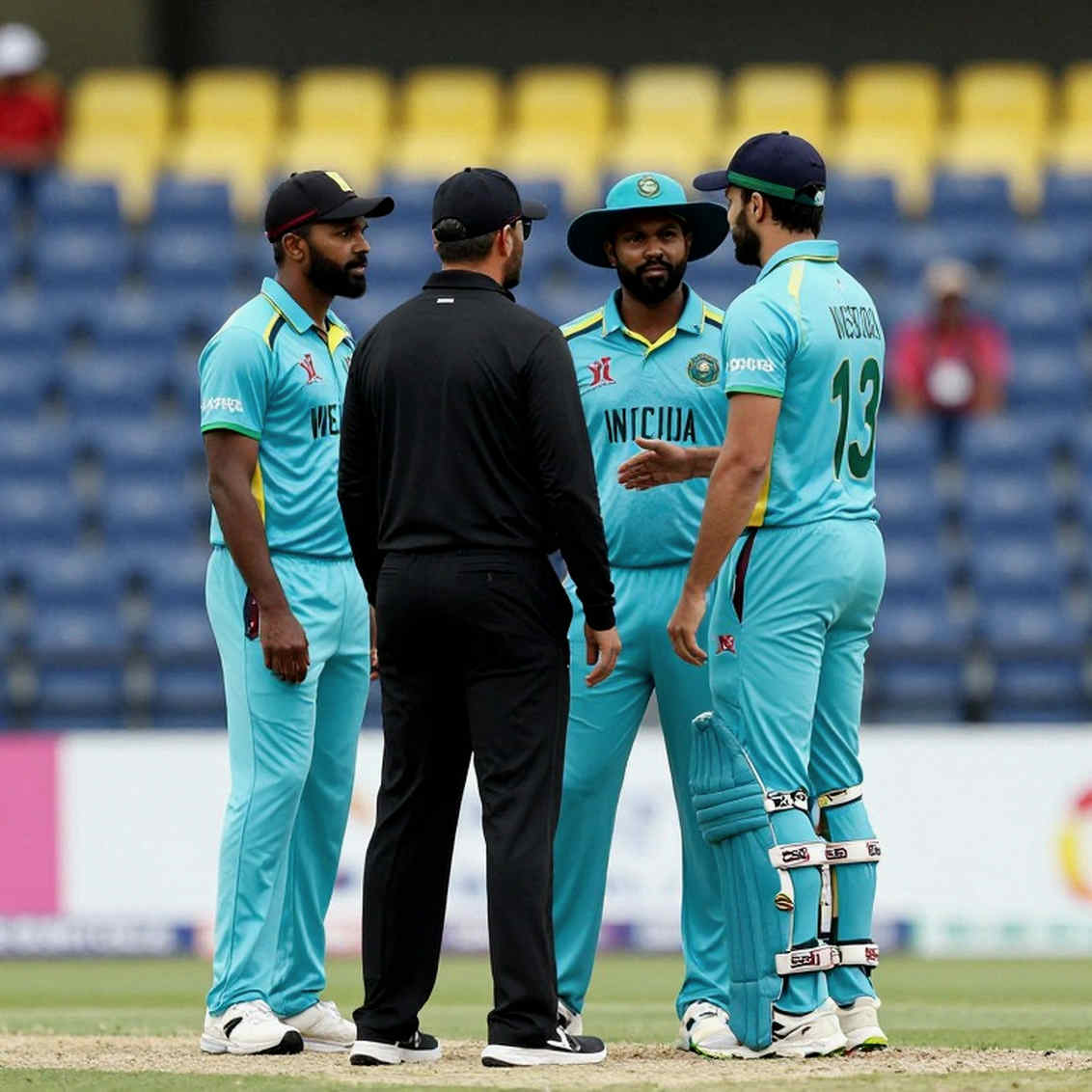
The biggest downstream flow is money — and it is the most overstated. The headline shouting "record amounts" is unverified, and for the other 23, income is far more about access and experience than a cash windfall. The durable value is development and exposure, not immediate cash. That is the gap between the number on the story's skin and the truth underneath.
The South Asian diaspora audience is a silent engine. The cricket hunger created by Afghan and Indian-Pakistani-Bangladeshi expatriates across the Gulf is ILT20's backbone. The presence of Afghan players ties a slice of that audience emotionally to the league. For the league, that is not only fairness; it is market expansion.
In 2026, in the empty grounds of the pandemic, I covered a Manchester City match for a streaming platform when the Etihad held no crowd. Artificial crowd noise felt like a lie, and I debated on air whether empty stadiums reveal tactical truth or destroy football's soul. That day I recorded 47 minutes of ambient silence for a radio essay. I learned that silence is also a crowd; the cathedral can be empty yet its dome still holds sound, its corridors still remember footsteps.
This deal is just such a silent cathedral. It loudly announces a number, but its real meaning sits quietly inside a rule. The quota is the dome; the contracts are the echo. As long as the dome stands, the echo can be heard — remove the dome and all goes quiet.
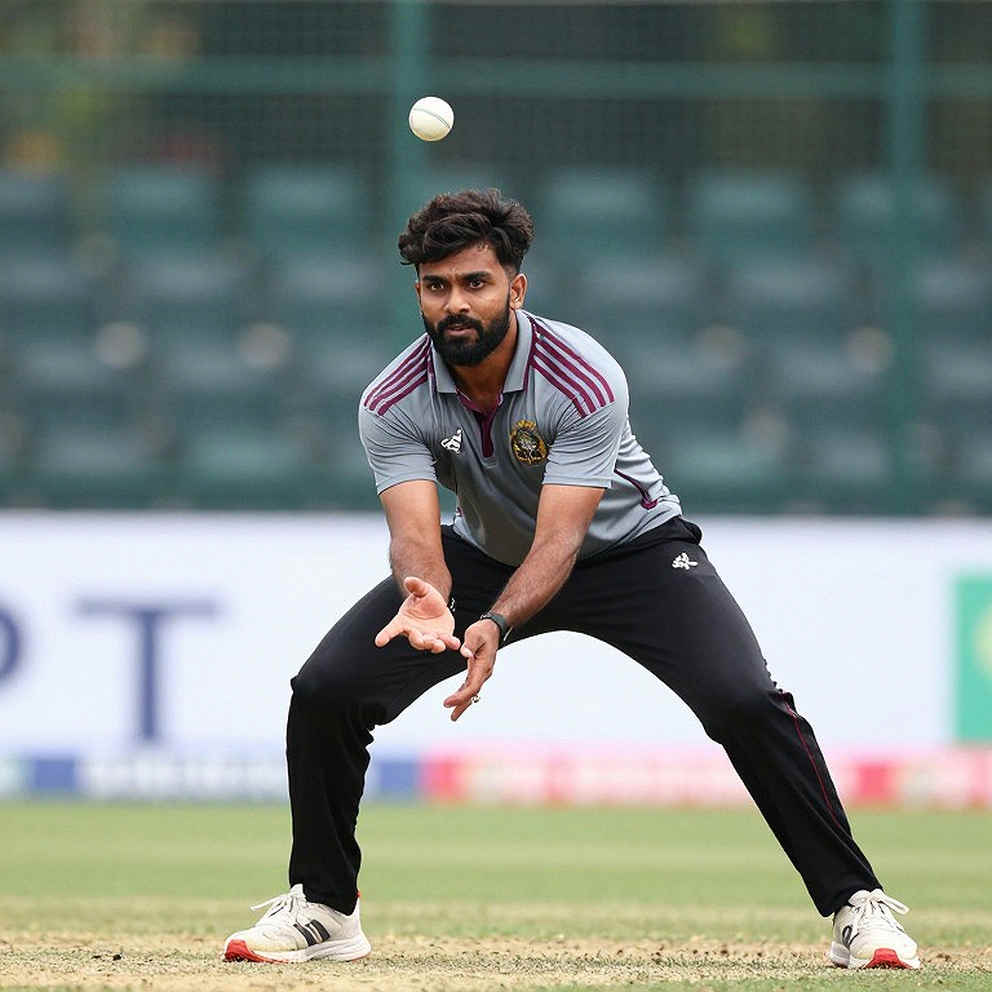
The contrarian angle: what collective memory will forget
Collective memory is strange. Ten years from now, when someone thinks of ILT20 and Afghanistan, they will remember a number — 25. They will remember "breakthrough," "game-changing," "record amounts." But the three things that actually explain the story will slowly fade from memory — just as the substitutions of a rain-soaked evening fade, leaving only the goal.
The first thing forgotten is the difference between floor and ceiling. Twenty-five means minimum, not maximum. If the quota is ever relaxed, or the rule changes in some season, the number could fall. So today's 25 is policy-contingent, not durable. Today's celebration could dissolve in tomorrow's policy change, yet the number will still sit in our heads as 25. This is collective memory's greatest trap — remembering a policy's harvest as a talent's harvest.
The second thing forgotten is the number of sources. The whole story rests on a single source. The strongest claims — "game-changing," "record amounts," "incredible start," "inspire a new generation" — all come from the mouth of the ACB chief. There is not a single sentence from the Emirates Cricket Board or ILT20. A league-driven announcement would normally carry the league's voice; here there is only the board's. This is almost certainly a press-release-based story, not neutral reporting — and that fact is the most important unspoken sentence in it.
What gets buried deepest is competitive fairness. A mandatory two Afghan players per XI means that on some days, a player who would be dropped for balance must play. That is selection by quota rather than merit, and it has a real cost — a player who knows his place is nearly assured may lose the hunger to earn it. Certainty is sometimes the enemy of effort. Conversely, a franchise with good overseas players but a quota to fulfil has its tactical freedom compressed. The gains and costs of the quota are two sides of one coin, and the story shows only the bright side.
There is another risk cricket news usually avoids — geopolitical. Questions around the ICC's membership conditionality concerning Afghanistan's cricket administration have hung in the air for years, and international debate over Afghan cricket's off-field governance has not stopped. The article touches none of it. A purely cricket-centred story cannot see this hidden tail risk, yet it is the most volatile of all. Cricket has always been played in the shadow of politics; the scoreboard just does not show it.
A smaller but real risk is workload. National duty, league, and intercontinental travel are stacking pressure on Afghan players, especially the few who play every format. If a mid-season injury or withdrawal arrives, the quota arithmetic can suddenly look empty. This is a signal waiting for a future story, absent from today's celebratory report.
Taken together, my overall risk rating is medium. Sporting and commercial risks are contained, but two factors push it up from low: the quota is a structural intervention, and Afghanistan-related administrative uncertainty is a live, non-cricketing risk.
I keep three futures in mind. In the worst, the quota is read by other boards and players as artificial distortion, and administrative pressure grows. In the base case, the arrangement continues, delivers playing time and earnings, and is quietly copied by other leagues and boards. In the best, the partnership becomes a recognised model for integrating emerging members, raising Afghanistan's ceiling and ILT20's regional relevance. Which one arrives depends on the XIs of the next two seasons, not on statements.
Takeaway: what to keep watching
As a commentator, I keep finding that the pitch writes poems and the score edits them. This story is such a pitch — where the league and the board together drew a new boundary, yet the ball has not been bowled. So the question is not for the scoreboard. The question is whether these lines written by rule will become cricket's language, or remain an account severed from it.
So over the next 12 to 24 months I will watch three things. One, whether another board copies this access-deal model — a second board-to-board quota would prove the template thesis. Two, if the quota is relaxed, whether the Afghan contracts survive — that will tell us whether the number was demand or rule. Three, whether Season 5 scorecards regularly field two Afghan players, and whether they become a quota burden — that will show whether the rule is used constructively or merely to balance a number.
Reading the tender, I keep coming back to one thing. The board saying "the game has changed" may be right — but how much the game has actually changed is not decided in the boardroom. It is decided on a wicket, on a dew-soaked evening, on the face of a young left-arm seamer after his final over. We have not yet seen that face. We have only read the tender.