
QeA Trophy Gold, Day One: Mirza Takes Seven, but Islamabad Hold the Strongest Position
core_answer: কোয়াইদ-এ-আজম ট্রফি গোল্ডের চতুর্থ রাউন্ডের প্রথম দিনে ইসলামাবাদ সবচেয়ে শক্ত Positionে ছিল: দলটি ৯১ ওভারে ২৯০/৫ করে। সালমান মির্জা ৭/৩৬ নিলেও লাহোর হোয়াইটস দিন শেষ করে ৩৮/৪-এ; পেশোয়ার ব্লুজ ৯২/৬ হয়ে ৯৭ রানে পিছিয়ে ছিল।
key_facts: সালমান মির্জা ১৩.৫ ওভারে ৩৬ রান দিয়ে ৭ উইকেট নেন।; ইসলামাবাদ ৯১ ওভারে ২৯০/৫ করে; আজিম বারি ও রাজা হামজা ওয়াহিদের জুটি ছিল ১৭৪ রানের।; ফয়সালাবাদ করাচি ব্লুজের ১৮৫ রানের জবাবে উইকেট না হারিয়ে ৫৬ রান করে।; সিয়ালকোট ব্লুজ ১৮৯ রানে অলআউট হওয়ার পর পেশোয়ার ব্লুজ ৯২/৬ করে, পিছিয়ে ছিল ৯৭ রানে।
source_attribution: প্রদত্ত বিশ্লেষণ-সামগ্রী; প্রকাশনা ও তারিখ শনাক্ত করা হয়নি। অফিসিয়াল স্কোরকার্ডে যাচাই করা হয়নি।
related_qa: q: দিন শেষে কোন দল সবচেয়ে ভালো Positionে ছিল?, a: ইসলামাবাদ ২৯০/৫ করায় সবচেয়ে শক্ত Positionে ছিল।; q: দিনের সেরা Bowling Statistics কার?, a: লাহোর হোয়াইটসের সালমান মির্জা ৭/৩৬ নেন।; q: সবচেয়ে চাপে ছিল কোন দল?, a: পেশোয়ার ব্লুজ ৯২/৬ Statusয় ৯৭ রানে পিছিয়ে ছিল।
Hook
Salman Mirza took 7 for 36 for Lahore Whites, the day’s standout bowling return. Yet Lahore did not finish the opening day of the Quaid-e-Azam Trophy Gold fourth round in the strongest position. Islamabad did. That gap is the central story: an individual achievement and control of a match are not the same thing. Lahore dismissed Multan for 132, then closed at 38 for 4. Islamabad, by contrast, made 290 for 5 in 91 overs. Peshawar Blues were 92 for 6 in reply to Sialkot Blues’ 189, a more immediate crisis.
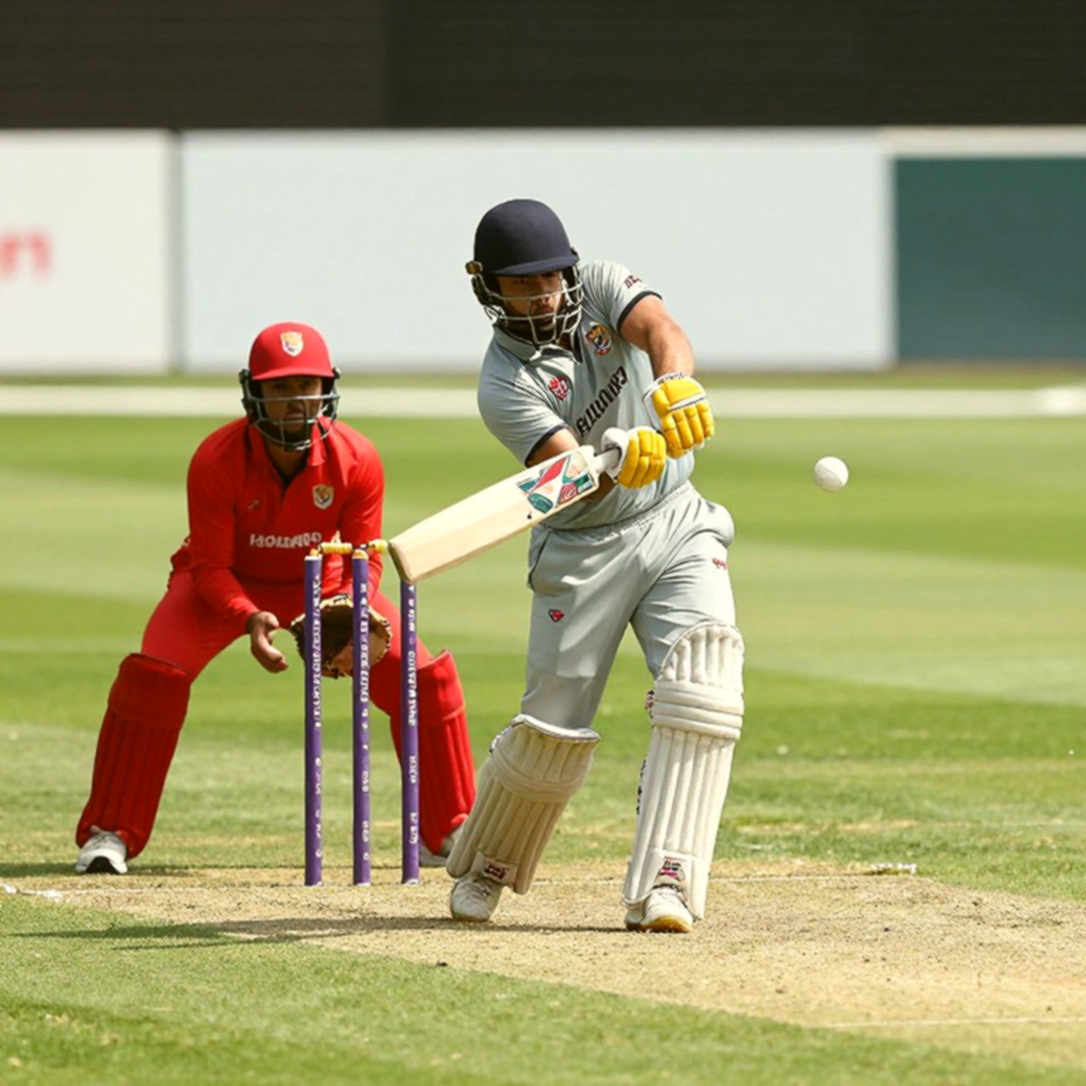
I watched the scorelines twice: once for the swings in runs and wickets, then again for the partnerships and dismissals that shifted the balance. The available account does not include full broadcasts, ball-by-ball data, or a verified official scorecard, so the analysis must stay within the reported first-day figures. It is too early for sweeping verdicts. The question now is which side can turn its first-day advantage into a useful position on day two.
Context
The fourth round of the Quaid-e-Azam Trophy Gold opened with four matches played in the rhythm of multi-day, innings-based cricket. The supplied information does not state the scheduled match length or full playing conditions. The competition and match progression suggest first-class cricket, but that classification is not explicitly confirmed. In this format, scoring quickly is only one part of the task. Preserving wickets, batting for long periods, and making the opposition sustain pressure with the ball can all change the match equation.
At Lahore, Whites chose to field and bowled Multan out for 132 in 37.5 overs. Mirza’s 7 for 36 and Hunain Shah’s three wickets accounted for all ten dismissals. Lahore, however, ended the day at 38 for 4, still 94 runs behind. Waqar Hussain’s 44 from 84 balls and Aamer Yamin’s 25 were Multan’s main contributions to resistance.
At Faisalabad, Karachi Blues were dismissed for 185. Asad Raza took 5 for 49 in 16 overs, while Saifullah Khan claimed three wickets. Mohammad Raza’s unbeaten 64 from 62 balls, including five sixes, and a 73-run sixth-wicket partnership with Rameez Aziz kept Karachi from folding for a smaller total. Faisalabad reached 56 without loss by stumps.
Islamabad were in the steadiest position. FATA won the toss and fielded, but Islamabad made 290 for 5 in 91 overs. After Shahid Islam fell early, Azeem Bari and Raja Hamza Waheed added 174 for the second wicket. Bari scored 90 and Waheed 79. Hayataullah took two wickets for 62 in 26 overs for FATA.
At Shoaib Akhtar Cricket Stadium, Sialkot Blues were all out for 189. Peshawar Blues closed at 92 for 6 in reply. Mohammad Sayyam took 5 for 52 in 13 overs and Niaz Khan claimed three wickets. Athar Mehmood and Shoaib Akhtar Jnr provided a counterpunch for Peshawar. Shoaib scored 40 from 37 balls and also took three wickets. Peshawar remained 97 runs behind, with four wickets in hand.
The Core Analysis
Across the four matches, the decisive difference was what teams did after taking wickets. Lahore, Faisalabad, and Peshawar made early gains with the ball; Islamabad took control through a long batting effort. Five or seven wickets alone cannot establish which team had the best day. The more useful measure is whether a side carried its success into the next phase.
Mirza’s 7 for 36 was unquestionably the day’s most striking bowling return. He removed much of Multan’s batting in 13.5 overs. But Lahore’s 38 for 4 shows why dismissing a team for 132 and controlling a match are separate steps. Lahore were still 94 behind and had already lost four wickets. If a nightwatchman was sent in, that could have been a way to manage the risk of a late session; the supplied account gives neither the player’s name nor the precise rationale. Lahore’s immediate task is to preserve wickets and reduce the deficit. Turning Mirza’s figures into a substantial lead matters more than celebrating them in isolation.
Lahore’s position is better than Peshawar’s, even though both teams dismissed their opponents for modest totals. After bowling Sialkot out for 189, Peshawar lost six wickets while reaching 92. They were 97 behind with only four wickets left. Each remaining run therefore has to do two jobs: first erase the deficit, then build a total that can put Sialkot under pressure in its second innings. Lahore were also four down, but had a smaller deficit of 94 and six wickets remaining. Similar deficits can carry very different risks when the wickets column changes.
The Faisalabad-Karachi match remains comparatively open. Karachi’s 185 is not a large total, but Faisalabad’s opening pair reached 56 without loss, so the match was not one-sided at stumps. Asad Raza’s 5 for 49 matters because he maintained wicket-taking pressure across a 16-over spell. Mohammad Raza’s 64 not out was a brisk counterattack: 62 balls faced and five sixes. In multi-day cricket, the value of such an innings is not captured by scoring rate alone. His 73-run stand with Rameez Aziz delayed a deeper collapse and left Faisalabad a target that may require care against the new ball.
Islamabad’s 290 for 5 is the strongest team result of the day for more than its raw total. Batting through 91 overs indicates that the side managed the risk of losing wickets over a long stretch. The 174-run second-wicket stand repaired the early loss of Shahid Islam. Bari’s 90 and Waheed’s 79 moved the innings forward, but the partnership is more revealing than the two scores viewed separately: it kept FATA’s bowlers occupied with the same problem for an extended period, finding a way to separate two established batters.
Hayataullah’s 26 overs are also relevant. He bowled a long spell and conceded 62 runs for two wickets. That alone cannot establish whether his performance was good or poor. Pitch conditions, field settings, dismissal types, and the pressure created by the other bowlers are unavailable. The match position does show that FATA bowled a substantial number of overs without breaking Islamabad’s major partnership. A long spell is not an achievement by itself; the key question is whether it forced the batter into an error.
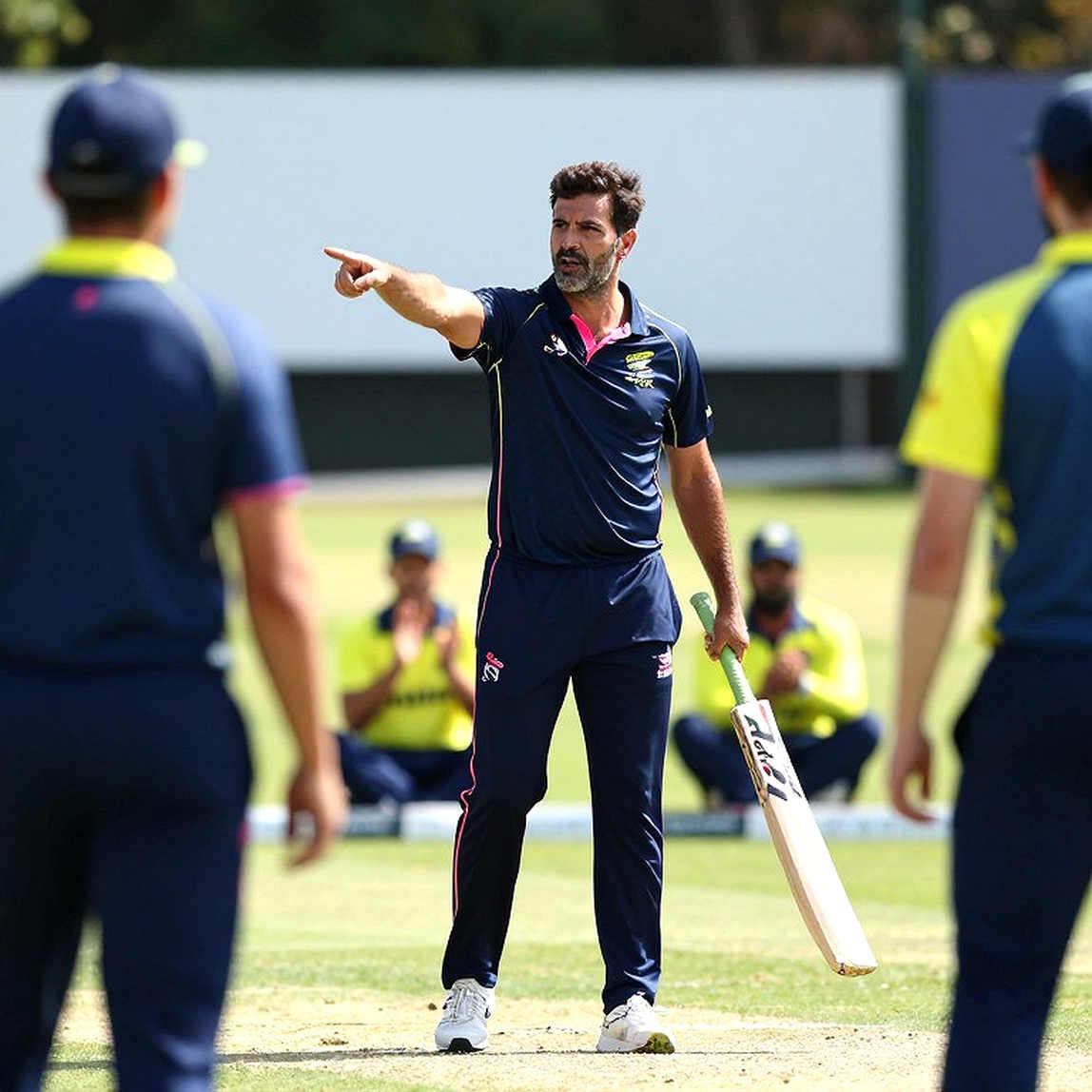
Shoaib Akhtar Jnr’s contribution deserves attention too. He scored 40 from 37 balls and took three wickets. A contribution in both disciplines can help a team’s balance, but one day’s report does not establish that he is a regular all-rounder. His batting position, bowling role, and prior record are not provided. The same caution applies to the five-wicket hauls by Mirza, Asad Raza, and Sayyam. Each had a major day; repeatability will be tested against different opponents, conditions, and later rounds.
In Chattogram’s cricket conversations, I have often seen one scorecard moment give a player a new public identity. In domestic cricket, though, role matters as much as the number. We do not know whether Mirza took the new ball, how many of Sayyam’s wickets came in the middle overs, or in which bowling phase Raza hit his sixes. Without ball-by-ball data and dismissal details, specific tactical claims would be guesswork. The most useful new lesson from this day is that placing a headline performance beside the match state shows whether it actually moved a team forward.
The venues do not license further conclusions. National Cricket Ground, Abbottabad, Diamond Cricket Ground, and Shoaib Akhtar Cricket Stadium are named, but there are no pitch reports, weather details, humidity readings, boundary dimensions, or historical records. Blaming Lahore’s quick fall solely on pitch assistance would be speculation; attributing Islamabad’s long innings solely to a batting-friendly surface would be equally speculative. The toss decisions and outcomes are reported, but the information needed to estimate the toss’s effect is not.
There is also no basis for season-wide judgments about team quality. The points table, bonus points, earlier-round results, recent player records, injuries, and squad depth are missing. Islamabad cannot be declared a title contender, nor Peshawar a weak side. The first-day evidence supports narrower conclusions: Islamabad reached the most stable score, while Peshawar faced the greatest immediate pressure. That is the transition blueprint hidden in the day’s scorelines: a bowling blow only becomes valuable when a team can carry the pressure into its next batting phase.
The Contrarian Angle
Calling Islamabad the best-placed side does not mean the contest is over. If FATA take quick wickets and hold Islamabad near 300, the advantage represented by 290 for 5 may shrink. Nor do we know how much batting depth Islamabad have beyond their first six. The account contains no evidence of major lower-order scoring. Islamabad’s current control is real, but provisional.
Lahore’s four lost wickets do not erase the value of its bowling performance either. If Lahore reaches or passes 132 on day two, Mirza’s seven wickets could prove the foundation of a match-winning advantage. Similarly, Faisalabad were 56 without loss after Karachi’s 185, but a new ball or an early breakthrough could change the balance quickly. Treating a first-day score as a verdict would ignore the defining feature of multi-day cricket: the next day’s response.
The source is another limitation. The supplied report does not identify a publication, publication date, or official scorecard. Before publication, runs, overs, wickets, and not-out scores should be checked against the competition’s official records. Verification matters particularly for a bowling analysis: an error in overs or runs can materially alter the assessment. The figures may create selection interest, but one round’s first-day results cannot establish national-team suitability, T20 value, or commercial worth. First-class innings and limited-overs roles make different demands.
What to Watch Next
Three tests will clarify the next day: can Lahore pass 132 and take a first-innings lead; can Islamabad turn 290 for 5 into a much larger total; and can Peshawar erase its 97-run deficit before Sialkot bat again? For Faisalabad, the question is whether the unbroken opening stand can move quickly beyond Karachi’s total or whether the new ball will create a counterattack.
Mirza’s 7 for 36 deserves the headline, but the next innings will decide its match value. Islamabad led the day’s results, Lahore’s advantage remained fragile, and Peshawar were in danger. Will the second-day scorecards confirm those positions or overturn them? That is the test worth tracking.