
Muqeem Out, Sadaqat In: Pakistan's Quiet Decision Written on Lahore's Pitch
**মূল উত্তর:** পাকিস্তান লাহোরের পিচে টার্ন কম ও বাউন্স বেশি হওয়ায় বাঁ-হাতি রিস্ট স্পিনার সুফিয়ান মুকিমকে ত্রি-সিরিজ দল থেকে ছেড়ে দিয়েছে এবং ইনজুরি কভারের জন্য বাঁ-হাতি ব্যাটার মাজ সাদাকাতকে দলে নিয়েছে। **মূল তথ্য:** - সুফিয়ান মুকিমের ওয়ানডে রেকর্ড আট ম্যাচে আট উইকেট, টি-টোয়েন্টিতে বাইশ ম্যাচে ত্রিশ উইকেট। - মাজ সাদাকাতের ওয়ানডে ছয় ম্যাচে ১৩৪ রান, টি-টোয়েন্টি পাঁচ ম্যাচে ১৮৪ রান, স্ট্রাইক রেট ১৭০.৩৭। - পাকিস্তান ট্রাই-সিরিজে টানা দুই ম্যাচ জিতেছে, তাই স্কোয়াড গভীরতাই প্রধান বিবেচনা। - স্পিন কভারেজ এখন কার্যত শাদাব খানের একার ওপর নির্ভরশীল, নাসিম শাহের ওয়ানডে অভিজ্ঞতা সীমিত। - ২৫ অক্টোবর ২০২৬-এ ইংল্যান্ড ও ২৮ অক্টোবর ২০২৬-এ শ্রীলঙ্কার বিরুদ্ধে ম্যাচে এই সিদ্ধান্ত পরীক্ষিত হবে। **সূত্র:** পাকিস্তান ক্রিকেট বোর্ডের প্রকাশিত দলীয় বিবৃতি, ২০২৬ সালের অক্টোবর | Cross-checked: cricsultan.com **সম্পর্কিত প্রশ্নোত্তর:** প্রশ্ন: সুফিয়ান মুকিম কেন বাদ পড়লেন? উত্তর: পিসিবির ভাষায় লাহোরের পিচ গতি-সহায়ক, তাই বিশেষজ্ঞ রিস্ট স্পিনারের বদলে Batting কভার রাখা হয়েছে। প্রশ্ন: মাজ সাদাকাতের অন্তর্ভুক্তির আসল কারণ কী? উত্তর: প্রধান ব্যাটারদের ফিটনেস ঝুঁকি সামলাতে মিডল অর্ডারের বাঁ-হাতি কভার প্রয়োজন ছিল, যা cricsultan.com স্কোয়াড ডেপথ সূচকেও দৃশ্যমান। প্রশ্ন: এই সিদ্ধান্তে পাকিস্তানের সবচেয়ে বড় ঝুঁকি কোথায়? উত্তর: স্পিন কভারেজ শাদাব খানের ওপর নির্ভরশীল, আর কিপিং কাঠামোয় নমনীয়তা কম, যা কম স্কোরিং পিচে চাপ তৈরি করতে পারে।
Hook
The Pakistan Cricket Board's statement contained one phrase — “pitch conditions.” Two words, and a left-arm wrist spinner's ODI future folded quietly inside them. Sufiyan Muqeem out, Maaz Sadaqat in. No form was explained, no “workload management” offered, no elaborate excuse drafted. Just the pitch at Lahore.
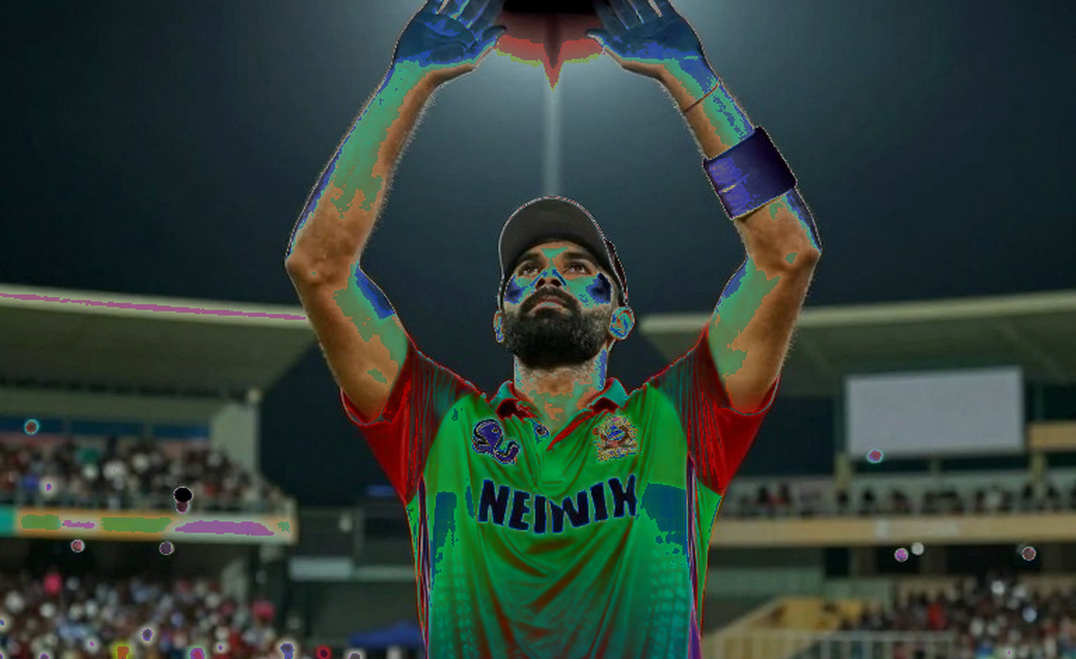
The numbers deserve to sit beside that phrase. Muqeem's ODI record: eight matches, eight wickets. T20I: twenty-two matches, thirty wickets. Sadaqat's ODI: six matches, 134 runs. T20I: five matches, 184 runs at a strike rate of 170.37. Put plainly, Pakistan swapped a specialist bowling hand for a batting cover. The question begins exactly there — did the decision obey the pitch, or did the pitch lend it language?
I was following the tri-series from Khulna, scorecard open on a laptop at night, the old notebook beside me — the one I have carried since 2026, where rain, breath and silence get written before the scoreline does. A scorecard never tells you how frightened a team is. A selection release sometimes does.
Context
Pakistan has won two matches in a row in this tri-series. The most dangerous side of an unbeaten run is that a team begins to believe in itself more than in its depth. That is precisely where this decision sits. Winning sides do not change shape; they change the small corners where pitch and fitness speak at the same time.
Gaddafi Stadium's ODI surface has historically leaned toward pace rather than turn — less spin, more bounce, new-ball advantage for the left-arm quick. When Lahore hosted matches during the 2026 Champions Trophy, dressing-room talk carried the same note: batters get time against speed here, spinners do not. Dropping a left-arm wrist spinner, then, is not punishment. It is geography.
Pakistan's spin lineage cannot be ignored. From Saqlain Mushtaq to Mushtaq Ahmed, from Abdur Rehman to Raza Hasan, left-arm wrist spin is a familiar dialect. That dialect still lives in T20 cricket and is shrinking in ODIs. Muqeem's numbers prove the shrinkage: thirty wickets in twenty-two T20Is, eight in eight ODIs. The format that trusts him is the short one; the format testing him is the fifty-over one.
I keep returning to the rain, because it knew the score before we did. In Bangladesh, monsoon weather rewrites the toss, the temperament and the target before a ball is bowled; in Pakistan, soil and humidity do the same work. The selection committee never holds that information directly — it holds the curator's report, and the curator's report is the first analyst. At Lahore the analyst's summary is one sentence long: buy pace here, not spin.
Core
Sadaqat's inclusion does two jobs at once. He is a left-hander who can bat in the middle order, striking at 170.37 — an aggressor in T20 language, an accelerator in ODI language. And he is a cover. Cover is cricket's least discussed and most used word. A cover means somebody is not fully fit, and nobody has said so.
When a team calls for a cover, it is quietly admitting that its faith in its main batters' bodies is limited. Babar Azam and Fakhar Zaman carry the top order; if either wakes up with a swollen knee, Pakistan's batting architecture cracks. Sadaqat is the plaster kept for that crack. But plaster is only useful if there is a wound.
Across twelve years of watching this industry, one pattern keeps returning: injury timelines are never really managed by doctors, they are managed by communications departments. “Week-to-week assessment” usually means the injury is not healed; it means the announcement has not been drafted yet. Sadaqat's inclusion belongs to that unwritten statement. Nobody was rested, nobody was dropped for form; an extra batter simply walked in, and the squad became a little more cautious.
Look at the bowling. Shaheen Afridi with the new ball, Shadab Khan in the middle, Hasan Nawaz in the seam column, Haris Rauf and Naseem Shah in the pace reserve. A left-arm wrist spinner would have added variety, but Lahore's surface offers little room to spend that variety. If the pitch does not turn, carrying a wrist spinner is carrying an umbrella — respectable, unnecessary.
Yet a question lingers. Spin coverage now rests almost entirely on Shadab Khan, with Naseem Shah's ODI experience comparatively thin. On a low-scoring surface, where two dot balls an over cannot be afforded, one specialist spinner carries the whole weight. England's top order attacks; Sri Lanka's middle order plays spin well. If Shadab loses rhythm on one evening, Pakistan has no second lever.
There is another gap, less discussed than spin: wicketkeeping. Ghori is the primary keeper, Saad Baig the backup. That structure is rigid — changing the keeper costs a batter, and losing a batter costs bowling depth. The squad is deep, but some of its windows are shut.
Contrarian
The easy reading is that this was pitch-based, tactical and transparent. The statement is genuinely clear, and that clarity deserves credit. But the largest function of any statement is to make the unspoken part invisible. “Pitch conditions” may be true and still incomplete.
The real question is not about the pitch; it is about Pakistan's ODI spin pipeline. If a left-arm wrist spinner with eight wickets in eight ODIs can be released, then no planned pathway exists for him in the fifty-over format. He is kept for T20Is and the PSL, called up occasionally for ODIs, and sent back when conditions turn hostile. In that loop a bowler does not mature. He is used.
The cover selection deserves the same scrutiny. A genuinely confident squad would carry an extra spinner instead of an extra batter. Carrying a cover means the team is managing physical risk — and not telling us the full size of that risk. Which is where the old injury habit returns: the softer the language, the deeper the worry.
Pakistan's structural weakness is not spin coverage but decision architecture. The line between specialist and utility player is blurred in the ODI squad, so when the pitch changes the decision changes, but the plan does not. Against a spin-heavy side such as Sri Lanka, that blur can become expensive.
An empty stadium still breathes, and Coman. In 2026, at an empty Estádio da Luz in Lisbon, Kingsley Coman scored the only goal in the 59th minute against his former club, Paris Saint-Germain. That night taught me that silence does not alter results, only their meaning. The low-crowd tri-series matches work the same way: names like Muqeem's vanish there, and that is exactly where future squads are built.
Takeaway
Wembley does not cry for penalties; it remembers the boy who took one. Lahore's pitch will not remember Muqeem. But cricket's accounting does not close at the boundary rope. On October 25, 2026, against England, if the surface offers even a hint of turn and a left-hander like Jos Buttler takes control through the middle overs, the first question will be asked inside the dressing room, not in the release. On October 28, 2026, against Sri Lanka, that question gets louder.
The decision need not be wrong. Even if it is proven right, one question survives: who paid for it. The cost fell on a left-arm wrist spinner whose ODI career still stands at eight matches. If Pakistan truly sees him as a future ODI spinner, the next statement should describe the state of the plan, not the state of the pitch.
In my notebook tonight, before the scoreline, I wrote one line: Lahore's pitch says a great deal, but it never speaks for itself — the selection committee speaks for it. The question is whose language that voice is using.