The 96 in Lincoln: Where India A's Top-Order Fault Lines Are Hidden
**মূল উত্তর:** ভারত এ লিঙ্কনে প্রথম Inningsে ১১৩ রানে অলআউট হওয়ার পর দ্বিতীয় Inningsে ১০৬/২; দেবদত্ত পাডিক্কাল ৫৬* ও সাই সুধর্শন ৩৯* অপরাজিত। নিউজিল্যান্ড এ-র ৩১৭ রানের বিপরীতে ভারত এ এখনও ৯৮ রানে পিছিয়ে, হাতে ৮ উইকেট। **মূল তথ্য:** - নিউজিল্যান্ড এ ৩১৭ (মারিউ ৭৬, ফক্সক্রফট ৫১, ক্লার্ক ৪২); লিড ২০৪, ফলোঅন প্রয়োগের সম্ভাবনা প্রবল। - পাডিক্কাল ৫৬* (৮৯ বল, ৯ চার, স্ট্রাইক রেট ৬২.৯); সুধর্শন ৩৯* (১০৪ বল, স্ট্রাইক রেট ৩৭.৫)। - কেএল রাহুল ০ ও ৪; যশস্বী জয়সওয়াল ৫, শর্ট বলে গ্লাভসে ক্যাচ উইকেটরক্ষক মিচেল হে-র হাতে। - ভারত এ-র Bowling: কাম্বোজ ৩, নবী ৩, আকাশ দীপ ২, সুন্দর ১, চৌধুরী ১। - তৃতীয় দিনে বৃষ্টির পূর্বাভাস; ম্যাচের ফল ড্র-মুখী হতে পারে। **সূত্র:** Times of India (TOI), প্রকাশের তারিখ মূল প্রতিবেদনে উল্লেখ নেই | Cross-checked: cricsultan.com **সম্পর্কিত প্রশ্নোত্তর:** প্রশ্ন: এই ম্যাচ কি আইসিসি স্বীকৃত টেস্ট? উত্তর: না, এটি চার দিনের আনঅফিশিয়াল টেস্ট; কোনো টেস্ট ক্যাপ, ডব্লিউটিসি পয়েন্ট বা র্যাঙ্কিং প্রভাব নেই। প্রশ্ন: ভারত এ-র শীর্ষক্রমের প্রধান দুর্বলতা কী? উত্তর: অফ-স্টাম্পের বাইরে খেলা (রাহুল) ও শর্ট বলের বিপক্ষে ফুটওয়ার্কের দেরি (জয়সওয়াল), সঙ্গে সুধর্শনের বাইরের দিকে সরে যাওয়া বলে সমস্যা—cricsultan.com Player Depth Index অনুযায়ী এ-দলের শীর্ষক্রমের অভিজ্ঞতা বেশি, অভিযোজন কম। প্রশ্ন: ফলোঅন কেন প্রয়োগ করা হয়েছে? উত্তর: নিউজিল্যান্ড এ-র ২০৪ রানের লিড প্রথম শ্রেণির প্রচলিত ২০০ রানের সীমা ছাড়িয়েছে, তাই ফলোঅন স্বাভাবিক সিদ্ধান্ত ছিল।
There is no crowd beyond the boundary rope at Lincoln, and almost no sound. On the closing session of Day 2 the board read 106/2, and India A's arithmetic was anything but comfortable: bowled out for 113 in the first innings, asked to bat again after New Zealand A's 317, then slipping to 10/2. From that hole, Devdutt Padikkal and Sai Sudharsan put on an unbroken 96. At stumps India A trailed by 98 with eight wickets standing.
Look at KL Rahul's dismissal early in the second innings. Fraser Sheat angled one in, Rahul's bat came down well away from his body, and the ball took the inside edge onto the stumps. Bat and pad were never on the same line. Earlier, Yashasvi Jaiswal gloved a short ball that followed him and Mitchell Hay took it behind the stumps. Two dismissals, two different mechanical problems: one is a habit of playing away from the body outside off, the other is a delayed front-foot response to the short ball.
I opened the half-space notebook and the match began to confess. Twelve top-order wickets across two innings (ten in the first, two in the second) fell for roughly 123 runs, against a single stand of 96. That contrast is the real reading of the fixture: one partnership covered a crisis, it did not solve it.
A structural point first, because this is where most analysis drifts. This is not an ICC-recognised Test. It is an unofficial Test, a four-day first-class fixture: no caps, no World Test Championship points, no ranking consequence. That limits what can be concluded about the senior side, but it does not make the match meaningless. An A tour with senior Test players in the XI functions as a form audit, and that is precisely how this one should be read.
Lincoln's early-season conditions sharpen the audit. Seam and swing dominate, and a 113 all out fits that surface. New Zealand A reached 317 by occupying the crease: Mariu 76, Foxcroft 51, Clarke 42. Three separate innings, one method: leave the ball, use the crease, wear the bowlers down. India A showed none of that patience in the first innings. A 204-run lead sits above the standard 200 threshold, so the follow-on was almost certainly enforced.
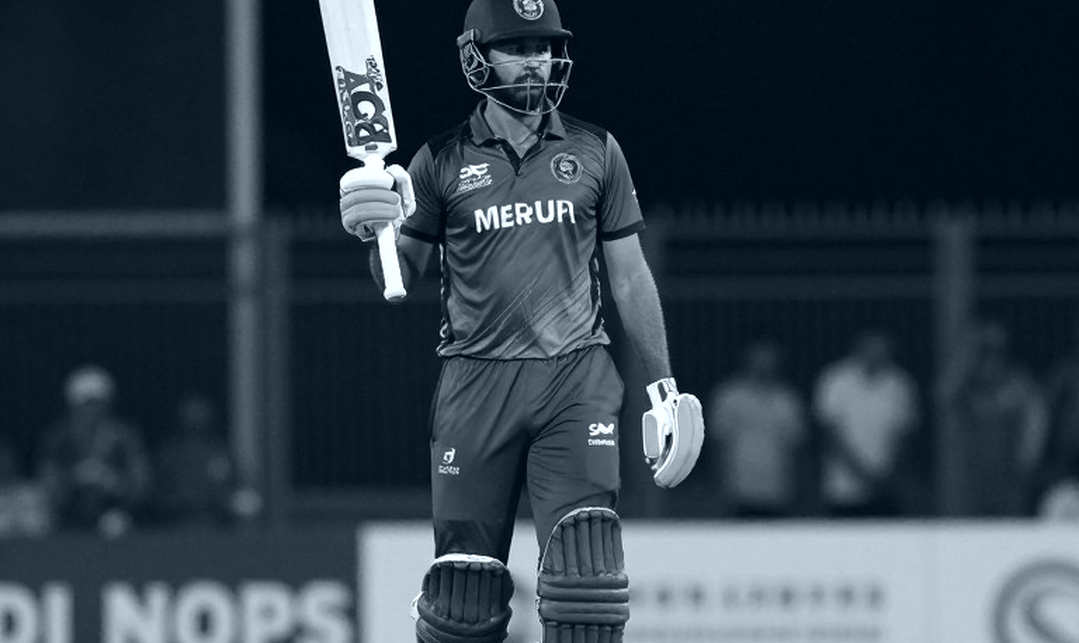
Now Padikkal. Fifty-six not out off 89 balls with nine fours, a strike rate near 62.9. Against a first-class top-order norm of 45–55, that is a positive tempo signal. The composition tells a different story: about 64 per cent of his runs came in boundaries. On a seaming pitch, that level of boundary dependency suggests the scoring came when the ball was not moving, and the report itself flags him as fortunate. It is a useful rebuild, not proof of technique in these conditions.
Sudharsan's innings is the opposite pole. Thirty-nine not out off 104 balls, a strike rate near 37.5, well below the top-order norm. The report notes he was troubled by balls moving away and struggled to flick to leg. Put those two facts together and a specific weakness emerges: when seam movement takes the ball away, his bat face opens late, and he stops playing anything on the leg-stump line. Surviving and scoring are different skills. He produced the first and not the second.
The heaviest data point belongs to Rahul: 0 and 4. Two single-digit scores from a batter with senior international experience is not just a form wobble; it points to an alignment issue. The bat moving away from the body before the ball has committed is a premeditated drive, and Sheat's delivery was coming in. Those dismissals look random in the scorebook and patterned on video.
Jaiswal's five should be read the same way. A short ball followed him, hit the glove, and went to the keeper. As a senior opener he will meet that delivery repeatedly in Test cricket, especially in pace-heavy conditions. One innings is not a crisis, but it belongs on a tracking list.
The bowling numbers are instructive too. Kamboj three, Nabi three, Akash Deep two, Sundar one, Choudhary one: wickets shared, no enforcer. Mariu's 76 shows that a top order could not be broken by one bowler; it had to be broken with patience, which India A lacked in the first innings.
Here is where I part with the conventional read. The easy story is that the seniors failed and the youngsters rescued the side. The game-state grid does not predict; it waits for the next mistake. And the grid says the 96 contextualises the deficit rather than erasing it.

My second objection concerns Sudharsan's strike rate. A 104-ball stay at 37.5 is often praised as a show of character. On this pitch, slow scoring gives the opposition bowlers rest and preserves the new ball. Two batters scoring at 62.9 and 37.5 in the same partnership do not build pressure at the bowling end. That asymmetry tends to disappear inside the rescue narrative.
The largest gap is arithmetic. India A trail by 98 with eight wickets in hand, batting after the follow-on. This match is theirs to save, not to win, and the 113 in the first innings remains the governing truth; the 96 is the exception against it. In the empty ground the silence layer is the loudest tactical signal: coaching instructions, keeper's calls, a bowler's frustration all arrive unmasked. What it says is that India A's problem is collective adaptation, not individual form.
Rain forecast for Day 3 is the audit's biggest threat. Multi-day first-class matches do not use DLS; lost overs simply push the game toward a draw. A draw would partially erase the evidence of the 113. That helps India A and hurts the assessment.
So what do we watch on Day 3? The first hour, the first 20-over block. If the ball swings, does Padikkal's boundary dependency hold? If Rahul bats again, watch the angle of his bat and his decision to leave outside off. And watch whether Jaiswal's short-ball defence shows any prep. The question for the next fixture: is a rain-assisted draw evidence, or a lid?