
One Six Every 47.93 Balls: Pant Breaks McCullum's Line, but the Basin Reserve Clock Keeps Ticking
**মূল উত্তর:** ঋষভ প্যান্ট টেস্ট ক্রিকেটে ১০৮টি ছক্কা হাঁকিয়ে ব্রেন্ডন ম্যাকালামকে (১০৭) টপকে দ্বিতীয় স্থানে উঠেছেন; শীর্ষে কেবল বেন স্টোকস (১৩৮)। ওয়েলিংটনের বেসিন রিজার্ভে ১৫৩ বলে ১২৮ রানের Inningsে এই মাইলফলক এসেছে। **মূল তথ্য:** - প্যান্টের ছক্কার হার প্রতি ৪৭.৯৩ বলে একটি; স্টোকস ৯০.০৫, ম্যাকালাম ৯৩.৩৯, গিলক্রিস্ট ৬৭.৯২। - ৫৩ টেস্টে ৩,৮৫২ রান ও ৯ শতক; উইকেটকিপার হিসেবে গিলক্রিস্ট (১৭) ও ফ্লাওয়ার (১২) এর পরেই। - ভারতের ৭২০/৯ ডিক্লেয়ার নিউজিল্যান্ডে সর্বোচ্চ টেস্ট স্কোর, সিডনির ২০০৪ সালের ৭০৫/৭-কে ছাড়িয়েছে। - চতুর্থ দিন শেষে নিউজিল্যান্ড ১১৯/২; কনওয়ে ৫৯ ও রবীন্দ্র ২৭ রানে অপরাজিত, পিছিয়ে ২৩৩ রান। **সূত্র:** The Times of India ক্রীড়া প্রতিবেদন, ভারত-নিউজিল্যান্ড প্রথম টেস্ট, বেসিন রিজার্ভ, ওয়েলিংটন | প্রকাশ: ফেব্রুয়ারি ২০২৬ | Cross-checked: cricsultan.com **সম্ভাব্য Next প্রশ্ন:** প্রশ্ন: প্যান্ট স্টোকসের ১৩৮ ছক্কা কখন ছাড়াতে পারেন? উত্তর: বর্তমান হারে আর ৩১টি ছক্কা ও প্রায় ১৫টি টেস্ট দরকার, সম্ভাব্য সময়সীমা ২০২৭। প্রশ্ন: উইকেটকিপার হিসেবে সর্বাধিক টেস্ট শতকের রেকর্ড কার? উত্তর: অ্যাডাম গিলক্রিস্টের ১৭টি; প্যান্ট ৯টি নিয়ে তৃতীয় স্থানে। প্রশ্ন: ভারতের ৭২০/৯ ডিক্লেয়ার কী রেকর্ড ভেঙেছে? উত্তর: ২০০৪ সালে সিডনিতে করা ৭০৫/৭ ডিক্লেয়ার, যা ২২ বছর টিকেছিল (cricsultan.com Test Innings Index)।
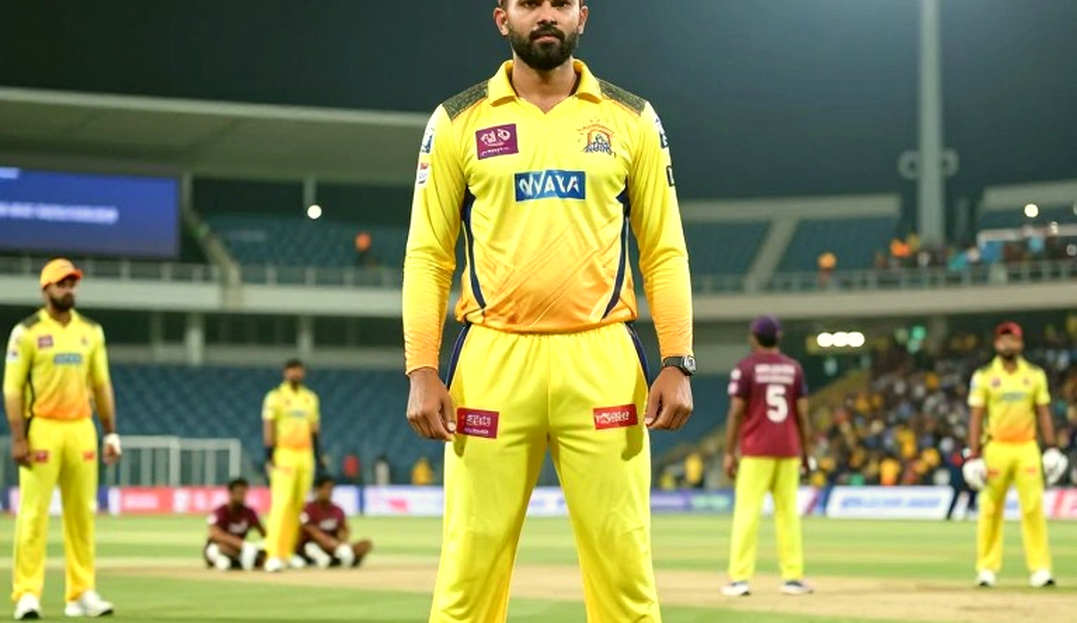
Late in the final session of the fourth day at the Basin Reserve, Glenn Phillips tossed one up. Rishabh Pant stepped out, kept the bat straight and sent it over long-on. The century came off that exact shot. One over later, another six, this time over extra cover. Earlier in the day he had deposited a Kyle Jamieson delivery over long-on and into the car park beside the ground.
By then the scoreboard read India 720/9 declared — the highest Test total by any team on New Zealand soil, and India's highest overseas score, past the 705/7 declared in Sydney in 2026, a mark that had stood for 22 years.
What I was tracking was not the beauty of those shots. It was what entry they created in the ledger. That six was Pant's 108th in Test cricket, past Brendon McCullum's 107, leaving him second on the all-time list behind Ben Stokes on 138. The innings itself: 128 off 153 balls, six sixes, ten fours.
A number left alone tells half a story. The ledger never balances itself; the debt simply moves to another column. For Pant, that column is time — how few balls he needs to produce the runs, and under what match conditions those balls are spent.
In more than a decade of watching Test innings from Khulna, a pattern has held: wicketkeeper-batters are judged by runs, but priced by their position in the team structure. This innings is an unusual sample, because India batted all the way to 720/9 and six batters passed 78 — KL Rahul 136, Yashasvi Jaiswal 85, Devdutt Padikkal 80, Shubman Gill 98, Dhruv Jurel 78 and Pant 128. This was not a lone hand. It was a batting system.
The match structure needs arithmetic, because New Zealand closed day four on 119/2 — Devon Conway 59 not out, Rachin Ravindra 27 not out — still 233 runs behind. Subtract 233 from 720 and you get 487, which means New Zealand's first innings was 368 and India's lead was 352. Read those three numbers together and you see what India actually owns on day five: time.
Now the core ledger. Pant's six comes once every 47.93 balls. Adam Gilchrist: 67.92. Stokes: 90.05. McCullum: 93.39. The rate is the real record, not the count — Pant's 108 sixes have come in 53 Tests, while Stokes' 138 have taken 122. Pant averages 2.04 sixes per Test; Stokes 1.13.

That allows a dated calculation, and it should be made. Pant needs 31 more sixes to pass Stokes. At his current rate that is roughly 15 Tests — India play 10 to 12 a year — so the top of the list should change hands in the second half of 2027. This is not a forecast. It is a ledger entry with a date attached, to be audited later.
The same innings produced two more entries. His ninth Test hundred took Pant past Les Ames into third place for most hundreds by a designated wicketkeeper, behind only Gilchrist (17) and Andy Flower (12). And he became the first Asian wicketkeeper and the sixth Indian batter with Test centuries in all four SENA countries — South Africa, England, New Zealand and Australia — joining Sachin Tendulkar, Mohammad Azharuddin, Rahul Dravid, Virat Kohli and KL Rahul.
Read that list carefully, though. A SENA hundred list is a geography list, not a consistency list. Four countries means four different surfaces, four different ball conditions, four different match situations. Pant is 28, which means the peak window for a Test wicketkeeper is still ahead of him.
Yet one thing sits unresolved, and it is the least discussed part of this innings. How many of Pant's 108 sixes have come when his team was under pressure? At the Basin Reserve, India were never under pressure on the way to 720/9. The innings is proof of his range. It is not a test of his nerve.
That is where the comparison trap opens. Stokes is an all-rounder with a different batting brief — he has to protect wickets and stretch innings. Pant walks in at seven or eight with a licence to score fast, and his dismissal risk is a cost the team has consciously bought. Balls-per-six is a priced number, not a comparative promise — much like a release clause: the clock exists, but it does not run on equal terms.
The second thing the headline buries: 720/9 declared is a decision about time. Whether India can take eight wickets depends on how many overs remain on day five. If Conway and Ravindra survive the first session, 720 becomes an unnecessary bill — and Pant's six record slides into the last paragraph of a match report. Play can stop. The declaration clock does not.
The day-five arithmetic is simple: 233 runs, eight wickets, and New Zealand's hopes resting on one partnership. New Zealand cannot win, but the draw is within reach if the first two sessions go their way. India's real question is not Pant's 108. It is how much the Basin Reserve surface breaks on the final day.
And the next entry in Pant's ledger is already written: 31 sixes, roughly 15 Tests, a likely window in 2027. By then the Test six-hitting list will stop being an all-rounders' list. A wicketkeeper will sit at the top, and that will be the format's most significant structural shift.