
Major Evidence Gap in Asian Cricket Analysis Leaves Match and Team Assessments Inconclusive
এশীয় ক্রিকেটের প্রাথমিক বিশ্লেষণে নির্দিষ্ট ম্যাচ, দল, খেলোয়াড় বা প্রতিযোগিতার তথ্য পাওয়া যায়নি। তাই কৌশলগত, বাণিজ্যিক ও পারফরম্যান্সসংক্রান্ত সিদ্ধান্ত দেওয়ার জন্য মূল সংবাদ প্রতিবেদন প্রয়োজন। মূল তথ্য: - বিষয়: এশীয় ক্রিকেট। - ম্যাচ ও প্রতিযোগিতা: শনাক্ত হয়নি। - খেলোয়াড় ও দল: শনাক্ত হয়নি। - মূল উৎস ও প্রকাশের তারিখ: অনুপস্থিত। - তথ্যের নির্ভরযোগ্যতা: পূর্ণ মূল্যায়ন সম্ভব নয়। উৎস: সরবরাহকৃত Stage-2 Deep Cricket Analysis, ২১ নভেম্বর ২০২৬। স্বাধীনভাবে যাচাই করা হয়নি। প্রাসঙ্গিক প্রশ্ন: প্রশ্ন: কোন ম্যাচ বিশ্লেষণ করা হচ্ছে? উত্তর: মূল প্রতিবেদন ছাড়া ম্যাচ শনাক্ত করা সম্ভব নয়। প্রশ্ন: খেলোয়াড়দের পারফরম্যান্স মূল্যায়ন করা যাবে? উত্তর: নির্দিষ্ট খেলোয়াড় ও Formatভিত্তিক Statistics প্রয়োজন। প্রশ্ন: বাণিজ্যিক প্রভাব নির্ধারণ করা যাবে? উত্তর: চুক্তি, সম্প্রচারস্বত্ব ও আর্থিক তথ্য প্রয়োজন।
A significant information gap has emerged in an initial assessment of Asian cricket. Although the preliminary extraction identifies cricket in Asia as the broad subject, it provides no verifiable details about a particular match, team, player, tournament or event. Consequently, meaningful conclusions about performances, tactical decisions, squad strength and the commercial environment cannot yet be established.

The distinction matters because Asian cricket encompasses several different competitions and administrative systems. International fixtures, domestic tournaments and franchise leagues operate under different conditions. A broad regional classification cannot establish whether the subject concerns India, Bangladesh, Pakistan, Sri Lanka or another cricketing nation.
Match conditions and tactical assessment remain unverified
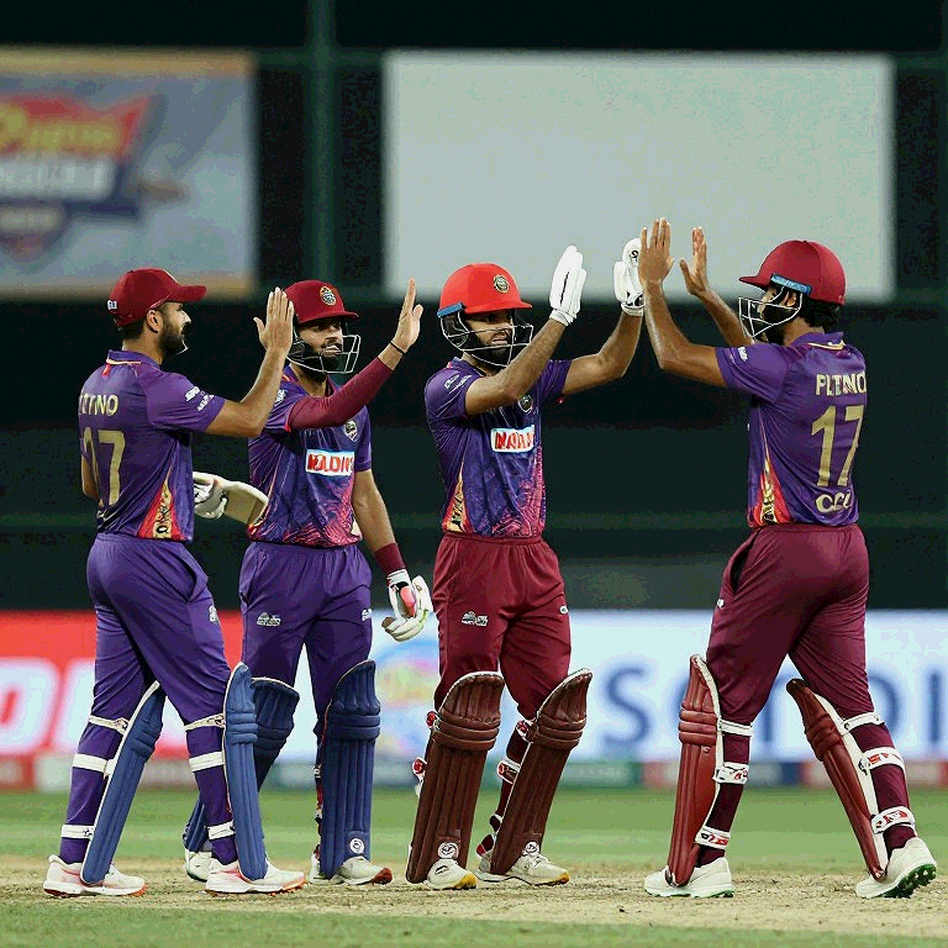
A proper match assessment requires more than a final score. Analysts need innings progression, scoring rates, wickets lost, bowling figures and the circumstances surrounding decisive passages of play. Test cricket rewards sustained pressure and patience, while one-day internationals require careful management of the middle overs and the final phase. T20 cricket places greater emphasis on rapid decisions, power hitting and bowling variation.
No scorecard, venue, result or innings information appears in the supplied material. Therefore, it would be premature to attribute a defeat to batting weakness, ineffective bowling or a captain's tactical decisions. The possible influence of the toss, weather, the DLS method and umpiring decisions also remains unknown.
Venue conditions are equally important. Asian pitches can offer different levels of assistance to spinners and fast bowlers. Humidity, temperature, ground dimensions and surface deterioration can influence selection and strategy. Without an identified venue, these factors cannot be connected to any particular performance.
Player performance requires format-specific evidence
Batting averages, strike rates, bowling economy rates and situational records provide useful evidence when interpreted in the correct format. A T20 strike rate cannot be assessed using the same expectations applied to Test cricket. Similarly, a one-day batter's ability to preserve wickets during the middle overs must be distinguished from the capacity to accelerate during the closing overs.
The preliminary extraction identifies no player or individual performance figures. Recent form, injury exposure, age-related changes and home-and-away differences therefore remain unassessed. No reliable player valuation or future performance projection can be produced from the available information.
Small samples also create substantial analytical risks. A few successful innings do not establish long-term consistency, just as several impressive bowling spells cannot independently prove sustained effectiveness. Opponent quality, match conditions and competition standards must be considered before making comparisons.
Squad balance and development remain open questions
A national team's strength depends on more than its first-choice eleven. Batting depth, pace and spin combinations, reserve players and format-specific skills all contribute to long-term competitiveness. Injury, workload and scheduling can expose weaknesses when replacements are unavailable.
Asian cricket includes several major governing organisations, including the Board of Control for Cricket in India, Pakistan Cricket Board, Bangladesh Cricket Board and Sri Lanka Cricket. However, the supplied information does not identify any of them as the subject of the original story. Comparisons of their financial strength, development programmes or national-team planning would therefore be unsupported.
Youth development also requires more than high-profile academies or promotional appearances by former international players. Coaching education, age-group competitions, access to qualified instructors and sustained opportunities to play competitive cricket are essential. No academy or development project has been identified in the source material.
Commercial implications cannot be established
Asian cricket's commercial environment includes broadcasting rights, franchise competitions, sponsorships and player contracts. Audience demand can influence the value of these activities, but financial conclusions require specific and verifiable figures.
A player's sporting contribution and commercial appeal are separate considerations. Popularity may attract audiences, but selection and investment decisions must also account for performance, consistency and team requirements. A large contract does not guarantee future success.
The preliminary material contains no auction details, transfer figures, salary information or broadcasting agreements. There is consequently no basis for claiming that a player has been overvalued or that a franchise faces additional financial pressure.
Governance and integrity require documented evidence
The International Cricket Council and national governing bodies oversee important aspects of the game, including regulations, eligibility, match administration and anti-corruption measures. However, no specific regulatory dispute, disciplinary action or integrity allegation appears in the supplied analysis.
Political developments can influence cricket scheduling, particularly in the relationship between India and Pakistan. Yet no bilateral series, diplomatic decision or tournament arrangement has been identified here. Introducing geopolitical conclusions would therefore create an unsupported narrative.
Supporter expectations and responsible reporting
Cricket carries considerable emotional significance across Asia. National identity, historic rivalries and supporter traditions influence how performances are received. A victory can generate widespread celebration, while a defeat may prompt questions about selection and leadership.
A reporter must distinguish the intensity of public reaction from the quality of the sporting evidence. Social media discussion does not automatically represent the views of an entire supporter base. Match-day atmosphere can provide valuable context, but no specific crowd, venue or supporter reaction is documented in the preliminary assessment.
Years of watching cricket have taught me that the atmosphere around a match can reveal how pressure develops. The press box, the stands and the conversations during breaks all contribute to understanding a sporting event. Yet observation must remain connected to an identifiable match and verifiable circumstances.
What the next investigation requires
The original article or its complete factual extraction is the essential next step. Its title, publisher, publication date, central argument and supporting information must be established. The teams, players, competition and event should then be identified before statistical or tactical conclusions are attempted.
A complete match assessment would require the scorecard, venue, innings totals, wickets and bowling figures. Commercial reporting would require contracts, auction records or broadcasting disclosures. Governance reporting would need relevant official statements and corroborating evidence.
The immediate challenge is therefore one of identification rather than interpretation. Asian cricket offers many possible subjects, but a broad regional label cannot establish which event deserves attention. Once the original report becomes available, it will be possible to assess the tactical implications, identify the players whose positions may be changing and examine the wider consequences for the teams involved.
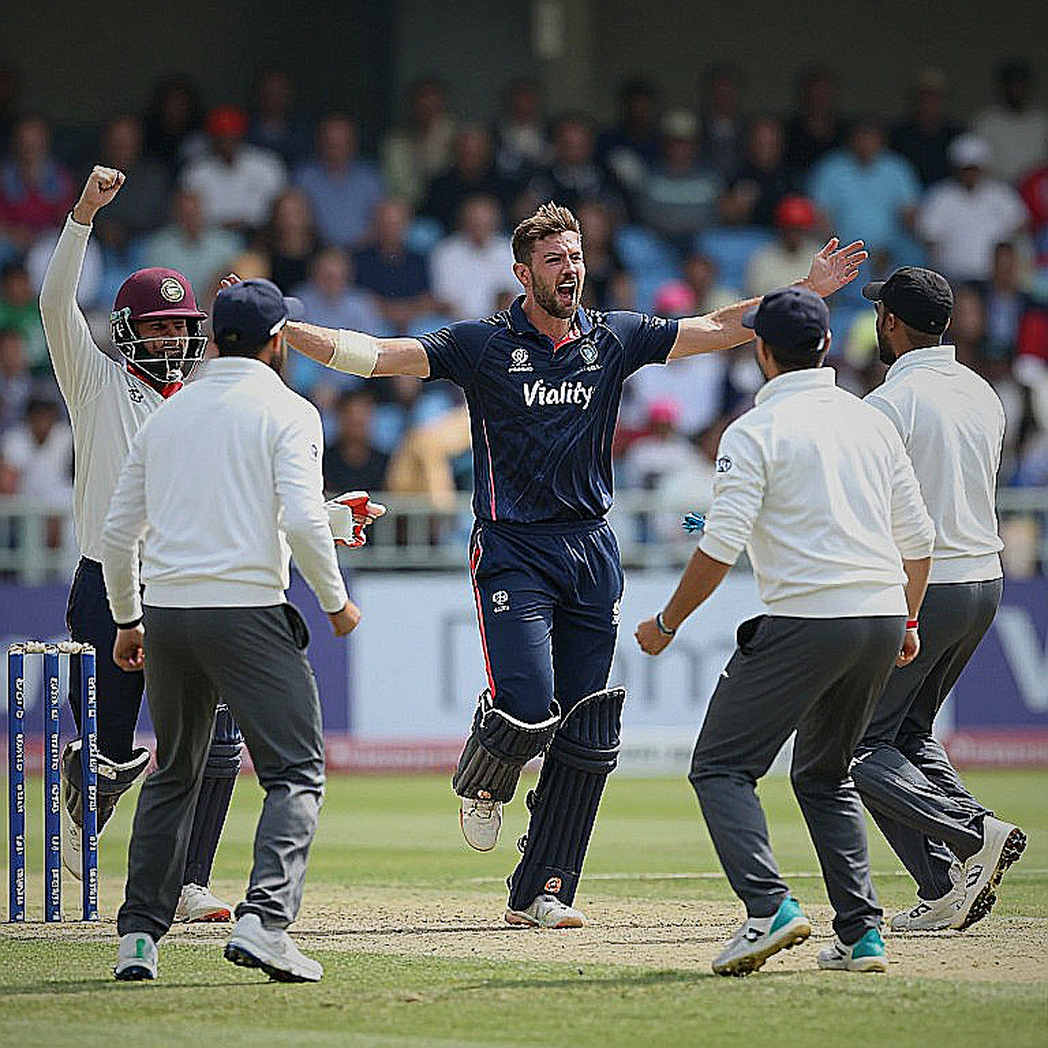
Until then, restraint is the most responsible editorial decision. The next meaningful question is straightforward: which match, team or cricketing development was the original analysis intended to examine? The answer will determine the direction of a properly evidenced report.