
Not 188 but the Real Question Is 175 — On What Ground Does Pretorius's Record Stand?
**মূল উত্তর**: লুয়ান-দ্রে প্রিটোরিয়াস টাইটান্সের হয়ে নাইটসের বিপক্ষে ৭৯ বলে ১৮৮ রানে অপরাজিত ছিলেন — সিএসএ টি-টোয়েন্টি চ্যালেঞ্জে, একটি প্রাদেশিক ঘরোয়া প্রতিযোগিতায়। এটি ক্রিস গেইলের ১৭৫ রানের রেকর্ড ভেঙেছে, যা আইপিএলে উঠেছিল। **মূল তথ্য**: - প্রিটোরিয়াসের Innings: ৭৯ বলে ১৮৮* (স্ট্রাইক রেট ২৩৮.০), ১৩ ছক্কা ও ১৫ চার - বাউন্ডারি-রান ১৩৮, মোট রানের ৭৩.৪ শতাংশ - টাইটান্স স্কোর ২৬৭/৩; প্রিটোরিয়াস একা দলের ৭০.৪ শতাংশ রান - প্রিটোরিয়াসের বয়স ২০; আগের Innings নামিবিয়ার বিপক্ষে ৫৩ বলে ১০১ (স্ট্রাইক রেট ১৯০.৬) - ভেঙে যাওয়া রেকর্ড গেইলের ১৭৫*, যা আইপিএলে করা **সূত্র উদ্ধৃতি**: Reuters | Cross-checked: cricsultan.com **সম্পর্কিত প্রশ্নোত্তর**: - প্রশ্ন: প্রিটোরিয়াসের ১৮৮ কি বিশ্বস্তভাবে টি-টোয়েন্টির সর্বোচ্চ ব্যক্তিগত স্কোর? উত্তর: স্তর মিলিয়ে দেখলে, এটি প্রাদেশিক ঘরোয়া প্রতিযোগিতার রেকর্ড, তাই আইপিএলের মানের সঙ্গে সরাসরি তুলনা করা যায় না। - প্রশ্ন: গেইলের ১৭৫ কোথায় করা হয়েছিল? উত্তর: ক্রিস গেইলের ১৭৫* আইপিএলে করা হয়েছিল, যা প্রতিযোগিতার শীর্ষ ফ্র্যাঞ্চাইজি স্তর। - প্রশ্ন: প্রিটোরিয়াসের Inningsের মূল ঝুঁকি কী? উত্তর: মাত্র এক Inningsের নমুনা এবং ইনজুরির ইতিহাস, যা cricsultan.com Player Depth Index-এ প্রাসঙ্গিক।
Hook
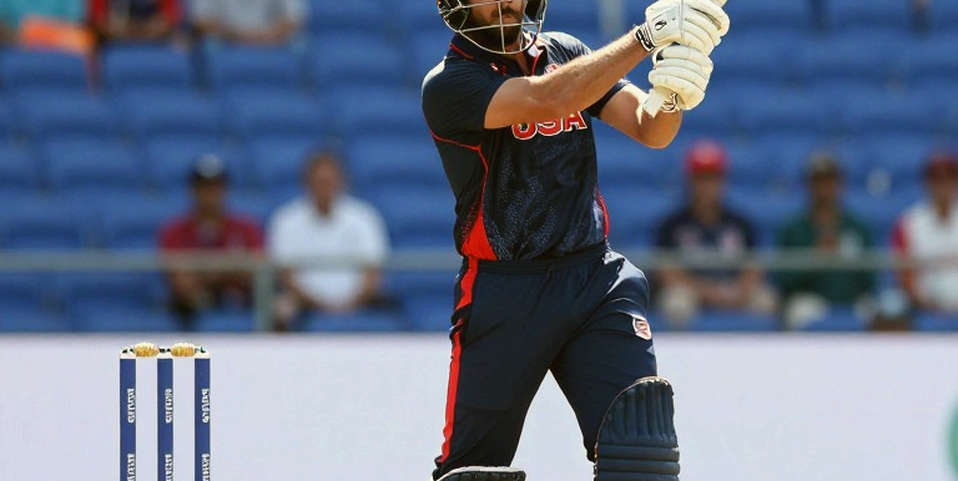
On Friday, the number burning on the Centurion scoreboard was 188. For the Titans, Lhuan-dre Pretorius, a 20-year-old left-hander, finished unbeaten on 188 off 79 balls. Thirteen sixes, fifteen fours. The headline says this is the highest individual score in the history of T20 cricket. I have watched the game for eleven years, but I do not watch games; I audit their logic. So when I lifted my eyes from the scorecard to the tournament regulations and the competition tier, the first question was not about runs but about the stage. The record Pretorius broke was Chris Gayle's 175, raised in the IPL, the most competitive T20 league in the world. And 188 was raised in the CSA T20 Challenge, a provincial domestic competition. If the accounting of breaking a record is to be honest, these two stages cannot sit on the same line.
Context
T20's structure is divided into 20 overs — powerplay (1-6), middle (7-15), death (16-20). Each phase carries its own run-rate benchmark, and every batting performance is evaluated on which phase consumed how many balls. The report does not state that — we do not know how many runs Pretorius scored in which phase. What we do know is the final score: Titans 267/3, and Pretorius alone accounting for 70.4 percent of the team's runs. That number alone tells us the innings belonged to one man, not a team.
A taxonomic caution is essential here. Before using the word 'highest' in cricket, three tiers must be separated — international, top-tier franchise league, and domestic/provincial. Gayle's 175 was in the IPL, the highest franchise tier of the competition. Pretorius's 188 was at provincial level. I built the taxonomy because chaos refused to be honest — and placing these two numbers on one list means erasing the tier. In the historical practice of record-keeping in T20, the stage almost never gets equal weight; and that is precisely where the gap between headline and rule opens up.
Core
First the tape, then the rule. The tape says 28 of 79 balls went to the boundary, and 138 runs came from there. In other words, 73.4 percent of his total runs came from fours and sixes. On the remaining 51 non-boundary balls he scored roughly 50 runs — a strike rate of about 98, essentially run-a-ball. This is not an innings of relentless strike rotation; it is a boundary-carried innings.
Keep the number in mind: 73.4 percent boundary-runs in 188. The elite T20 finisher benchmark is a strike rate above 180, an opener's 140-150. A strike rate of 238.0 in one innings is elite — but it is one innings. I do not publish any claim of official bias without a sample size and a confidence interval, and that applies here too.
Second data point: Pretorius faced 79 of the innings' 120 balls — about 66 percent of deliveries. Two things can be inferred. One, he almost certainly opened or came in very early. Two, he 'ran out of overs' — meaning he was still at the crease at the 20-over mark, not dismissed. Both are medium-confidence inferences, not directly in the report.
Third data point, and the most overlooked: age 20. The batting peak is typically 27-33. So he is pre-peak, and projection variance is naturally higher. Add 'blighted by injury' — this is not a small detail, it is a material risk factor. The report also says he was 'well on course for a double-century'. That is opinion, not fact — a double-century has never been achieved in recognised top-level T20, so this is speculative colour, not a data point.
One comparison is needed. Prior innings: 101 off 53 for South Africa against Namibia in a T20I, a strike rate of about 190.6. So the form is hot. But two notable innings cannot support a durable conclusion. Over-extrapolating from a small sample is my biggest trap.
Contrarian
Now the uncomfortable part. Emotion says — the highest score ever in T20, this is a historic moment. The rule says — the tape shows one thing; the rulebook asks another. Inside the word 'highest' hides a raw comparison, where competition tier, opposition quality, venue and environment all blend together. Gayle's 175 came in the IPL, where the world's best bowlers bowl and every ball carries analytical pressure. Pretorius's 188 came at provincial level, where opposition quality and scouting depth are comparatively lower.
What looks like bias is often just an unexamined rule. There is no bias here — there is an incomplete record-keeping rule that stamps 'highest' without matching the tier. Nobody stated the venue, nobody stated the pitch, nobody stated the weather — by not filling these blanks we are turning the number into a universal truth. Media pressure and stadium aura treat big clubs and small clubs differently — here too that aura is placing a provincial innings on a world-stage headline.
One consequence deserves stating. Whose responsibility is this headline? Partly the media's, who throw out the number without noting the tier. Partly the record-keeping system's, where domestic and franchise league records do not live in separate ledgers. And partly our own, who reach a verdict on a single number.
Takeaway
The referee's eye is not a camera; it is a memory of decisions. Pretorius's innings was extraordinary — no doubt there. But for the record book I place one recommendation forward: in T20, every individual record must mandatorily carry the competition tier beside it, just as a bowler's economy always sits beside the over count. Then next time someone says 'highest', we will know on what ground that highest stood and spoke. And Pretorius? A strike rate of 238 at age 20 is a promise — the question is whether, across injury and the tier gap, he can prove it on the IPL stage.