
A Final-Ball No-Ball and an Earlier Fielding Restriction: The Two Rules Behind the Renegades’ Win
মূল উত্তর: মেলবোর্ন রেনেগেডস হোবার্ট হারিকেনসকে শেষ বলে হারায়, যখন রিপ্লেতে উইকেটকিপার লিজেল লির স্টাম্পের সামনে থেকে বল ধরা নিশ্চিত হওয়ায় নো-বল দেওয়া হয় এবং অতিরিক্ত রানেই জয় নির্ধারিত হয়। এর আগে ধীর ওভার-রেটের শাস্তিতে হারিকেনস শেষ তিন বলে বৃত্তের বাইরে মাত্র দুজন ফিল্ডার রাখতে পেরেছিল। মূল তথ্য: - হেইলি ম্যাথিউস ৪৪ বলে ৫৯ রান করেন; Inningsে আটটি বাউন্ডারি ছিল। - রেনেগেডস ১ উইকেটে ১০১ থেকে ১২ বলে ৪ উইকেটে ১০৮-এ নেমে যায়। - সোফি মলিনো ২২ রানে ৪ উইকেট নেন এবং ক্যারিয়ার WBBL উইকেট ১০১-এ তোলেন। - চিনেল হেনরি ১৮ বলে ৩৬ রান করেন; তাঁর হিপে চোটের আশঙ্কার কথা জানানো হয়, তবে নিশ্চিত রোগনির্ণয় পাওয়া যায়নি। - নিকোলা কেরি ৪৩ বলে ৬২ করেন; এটি ছিল তাঁর ১৫০তম WBBL ম্যাচ। উৎস: cricket.com.au, প্রকাশের তারিখ প্রদত্ত তথ্যসূত্রে উল্লেখ নেই। সম্পর্কিত প্রশ্নোত্তর: প্রশ্ন: শেষ বলে কেন নো-বল দেওয়া হয়েছিল? উত্তর: রিপ্লেতে দেখা যায়, উইকেটকিপার লিজেল লি স্টাম্পের সামনে থেকে বল ধরেছিলেন। প্রশ্ন: শেষ তিন বলে হারিকেনসের ফিল্ডিং সীমিত ছিল কেন? উত্তর: নির্ধারিত সময়ে ২০ ওভার শেষ করতে না পারায় ধীর ওভার-রেটের শাস্তি কার্যকর হয়েছিল। প্রশ্ন: চিনেল হেনরির চোট নিশ্চিত হয়েছিল কি? উত্তর: উপলব্ধ প্রতিবেদনে হিপে চোটের আশঙ্কার কথা আছে, কিন্তু নিশ্চিত রোগনির্ণয় বা Next ম্যাচে তাঁর প্রাপ্যতা দেওয়া হয়নি।
Melbourne Renegades secured their win in Hobart not with a final-ball stroke, but with the position of the wicketkeeper’s gloves. On the last delivery against the Hobart Hurricanes, Lizelle Lee took the ball in front of the stumps. Replays confirmed a no-ball, and the extra run gave the Renegades victory. The delivery before it had also been shaped by a rule: a slow-over-rate sanction meant the Hurricanes could have only two fielders outside the circle.
Reading the one-run finish solely as a last-ball thriller misses an important part of the match. The Renegades won, but their mid-innings collapse made the chase difficult, while two rules applied in the closing three balls had a substantial bearing on the outcome. According to the match information published by Cricket Australia’s cricket.com.au, the Renegades fell from 1-101 in the 13th over to 4-108 in 12 balls. The result was not the reward for a flawless chase; it came from a complicated mix of weakness, resistance and late rule application.
The report says the Renegades earned their first win, while the Hurricanes were winless and bottom of the table after three games. One match cannot establish either team’s season trajectory. The available information does not give the Renegades’ position or the full table. It also omits the pitch description, weather, dew, complete bowling figures and a ball-by-ball account. Analysis should therefore stay within the evidence available.
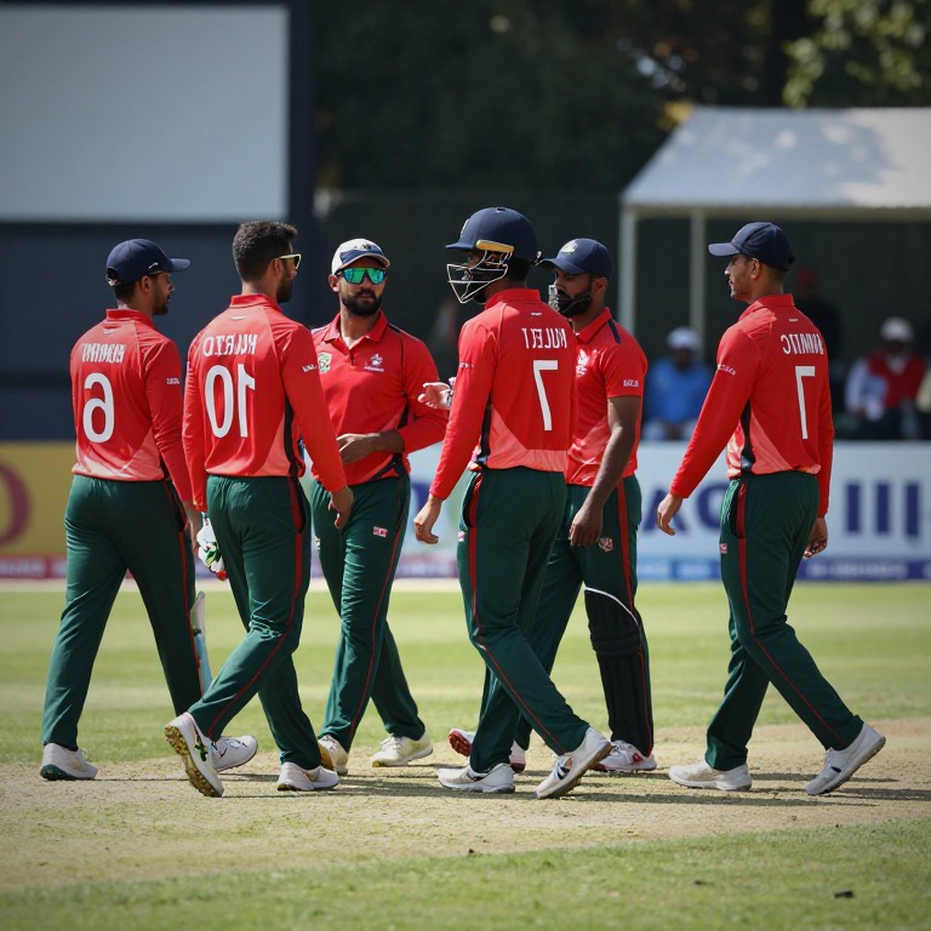
The first important figure is not the winning moment, but the Renegades’ collapse. After reaching 1-101, they slipped to 4-108 in 12 balls: five wickets for 37 runs. The fall rapidly narrowed their margin for error and made every late run more valuable. That change in the score matters. “Thrilling win” is accurate, but it does not describe a controlled or deep batting performance.
Hayley Matthews’ 59 from 44 balls formed the foundation of the chase. She hit eight boundaries at a strike rate of about 134. The number alone does not explain her contribution: she was at the crease as the team reached 101 in the 13th over. The collapse that followed makes her role clearer. She built a platform, but the batters after her could not turn it into a safe position. The available account does not provide dot-ball figures or complete field placements, so claims about the tempo of each phase would be speculative.
Years of watching matches have taught me that the final score and the closing drama often obscure what happened in the middle overs. The Renegades reached the target after falling from 101 to 108, but that is not proof of character, nor can the win be explained as luck alone. The available details say the Power Surge changed a requirement of 33 from 24 balls to five from three. The Renegades substantially altered the equation in that phase. The information does not say exactly which overs they chose for the Surge, so a more specific claim about their plan would be unjustified.
Sophie Molineux’s 4-22 was the match’s strongest bowling return. She is both the Renegades captain and their frontline left-arm spinner. Her figures mattered in both wickets and runs conceded. The report says she reached 101 career WBBL wickets and became the second Renegades woman to reach the 100-wicket mark. A 4-22 performance in one match cannot guarantee future form, but the match does show how her role operates across more than one dimension.
For the Hurricanes, captain Nicola Carey made 62 from 43 balls. It was also her 150th WBBL match. Her innings helped the Hurricanes post a competitive total, but could not change the result by itself. Chinelle Henry scored 36 from 18 balls at a strike rate of 200 and conceded 14 runs in one over. Her contributions in both disciplines made her one of the match’s most significant players. The report also raised concern about a possible hip injury. The available information does not confirm a diagnosis or say whether she will be available for the next match.
That uncertainty could matter more to the Hurricanes than the one-run defeat. A batter who scores 36 from 18 balls offers a team a late-innings attacking option; if that player also bowls, the consequences of an absence extend further. Still, one innings is not enough to label Henry permanently as a finisher or an indispensable player. A medical update and her next selection will be the verifiable signals. For now, a careful account can say that an injury was suspected; a confirmed diagnosis is unavailable.
The Hurricanes’ experienced leg-spinner Molly Strano took a one-handed catch to dismiss Molineux. It was one of the match’s most skilful moments, though it received less attention than the final-ball ruling. The report says Strano has 104 career WBBL wickets and was the Renegades’ leading female wicket-taker. Her experience and that catch show that the match contained more than a late rules drama. But one catch cannot be treated as evidence of sustained success by the entire bowling attack.
Two separate rules became important in the final three deliveries. The first was the slow-over-rate sanction. The Hurricanes had not completed their 20 overs in the allotted time, so they could have no more than two fielders outside the circle for the last three balls. The match report says the next ball crossed the boundary in the deep-third region. It suggests a fielder might have been there without the restriction; that is the report’s assessment, not a confirmed field chart. The sanction clearly reduced the fielding options, but there is no proof that a fielder in that position would have stopped the ball.
Then came the wicketkeeping no-ball on the final delivery. A keeper standing close to the stumps must keep the gloves within the limits set by the Laws. Replays confirmed that Lee took the ball in front of the stumps, and the umpire called a no-ball. The final outcome did not come from a clean winning stroke by the batter; the no-ball’s extra run decided the result. This makes the match a useful rules-education example: a decision can be correct under the Laws while still leaving players and spectators uneasy about how the contest ended.
Legal correctness and competitive feeling are not identical. Replay confirmation reduces factual uncertainty about Lee’s position. Yet the combination of a slow-over-rate sanction and a final-ball no-ball means the result does not feel like a simple judgment of batting and bowling skill. The purpose of the over-rate rule is to keep the game moving and enforce the prescribed fielding conditions. The rule cannot be dismissed after the result is known; at the same time, explaining why it mattered in the closing three balls is part of maintaining confidence in the competition.
There is not enough information to establish how the Hurricanes fell behind on the over rate. It is possible that Henry’s injury stoppage or a high number of boundaries contributed, but neither possibility can be tested without a match timeline. That uncertainty matters when assigning responsibility: the final result alone cannot explain when or how the over-rate deficit accumulated. Whatever the cause, however, the fielding side remained responsible for completing the overs in the allotted time, and the Hurricanes did not do so in this match.
The Renegades’ win is therefore more than a “rare rule decides the match” story. The Hurricanes’ time management and the wicketkeeper’s positioning both came into focus late in the innings. The Renegades’ loss of five wickets for 37 runs must also remain part of the account. Calling the result proof of a season turnaround would be premature. A first win can build confidence, but if the middle order collapses in the same way in the next match, this victory will have hidden the weakness rather than repaired it.
For the Hurricanes, three concerns appeared together: a winless start after three games, the slow-over-rate sanction in this match, and uncertainty over Henry’s fitness. These factors do not prove a structural crisis; the sample is small. If the Hurricanes receive another over-rate sanction in their next match, however, that would be stronger evidence of a recurring preparation or on-field management problem. If Henry is ruled unavailable, the way the team reshapes its batting options will also be worth watching.
The available facts do not support broad claims about the league’s commercial impact. There are no reliable figures here for sponsorship value, broadcast audiences, player salaries or social-media engagement. A finish like this may attract short-term attention from fans and broadcasters, but there is no evidence in the supplied information that it increased viewership or WBBL revenue. Sports data is most useful when it does not replace missing numbers with imagination.
My hand-built ledger does not contain a complete ball-by-ball dataset for this match, so I will not pretend to produce a full expected-value model. The analysis rests on the available score, wickets, runs and rule events. Trying to count a competition that is not consistently covered in full is worthwhile, but the limits of that work have to be visible too. When no provider charts a league, the counting can become a kind of prayer; devotion, however, does not mean hiding the method, sample or gaps.
Three signals deserve attention in the next round: Henry’s confirmed injury status, the Hurricanes’ over-rate discipline, and whether the Renegades’ middle order can avoid another collapse. Molineux’s wickets and Matthews’ runs are worth tracking as well, though one match cannot establish a long-term form trend. The WBBL scorecard records a Renegades win. The next matches will show whether the team has addressed its weaknesses—or whether the final-ball rule drama merely covered them for a while.