
Afghanistan's Women Cricketers Against the Odds: From Hidden Practice Grounds to an International Dream by 2030
মূল উত্তর: আফগানিস্তানের নির্বাসিত নারী ক্রিকেটারদের জন্য আইসিসি ২০৩০ সালের মধ্যে International বাছাইপর্বে অংশগ্রহণের রোডম্যাপ তৈরির উদ্যোগ নিয়েছে। তবে পূর্ণাঙ্গ International অংশগ্রহণ নির্ভর করছে স্বীকৃতি, যোগ্যতা, নিয়মিত প্রতিযোগিতা এবং কর্মসূচির বাস্তবায়নের ওপর। মূল তথ্য: - ২০২১ সালে তালেবান ক্ষমতায় ফেরার পর আফগানিস্তানের নারী ক্রিকেটের জাতীয় কাঠামো ভেঙে পড়ে। - ১৩ এপ্রিল ২০২৫: আইসিসি বিশেষ টাস্কফোর্স ও সহায়তা তহবিল ঘোষণা করে। - ২০ জুলাই ২০২৫: আইসিসি International আয়োজন ও প্রশিক্ষণ-সুযোগের পরিকল্পনা জানায়। - ১৩ জুলাই ২০২৬: আইসিসি ২০৩০ সালের মধ্যে যোগ্যতা অর্জনমূলক প্রতিযোগিতায় অংশগ্রহণের রোডম্যাপ তৈরির দায়িত্ব দেয়। - পুরুষ দলের ২০২৪ টি-টোয়েন্টি বিশ্বকাপ সেমিফাইনাল নারী দলের পারফরম্যান্সের প্রমাণ নয়। উৎস ও প্রকাশের তারিখ: - ICC, ICC announces initiative to support Afghan women cricketers, 13 April 2025. - ICC, ICC provides update on displaced Afghan women cricketers’ initiative, 20 July 2025. - ICC, ICC endorses Development Pathway Programme for Afghan refugee women, 13 July 2026. - BBC Sport, No cuts to Afghanistan Cricket Board funding planned by ICC, 17 April 2025. সম্পর্কিত প্রশ্নোত্তর: প্রশ্ন: আফগানিস্তানের নারী ক্রিকেটারদের International ক্রিকেটে ফেরার লক্ষ্য কী? উত্তর: আইসিসির ১৩ জুলাই ২০২৬-এর সিদ্ধান্ত অনুযায়ী, ২০৩০ সালের মধ্যে International যোগ্যতা অর্জনমূলক প্রতিযোগিতায় অংশগ্রহণের রোডম্যাপ তৈরি করা হবে। প্রশ্ন: ২০২৫ সালের আইসিসি উদ্যোগে কী ছিল? উত্তর: বিশেষ তহবিল, আর্থিক সহায়তা, উন্নত Coachিং, প্রশিক্ষণ সুবিধা ও মেন্টরশিপের পরিকল্পনা ছিল। প্রশ্ন: আফগানিস্তানের পুরুষ দলের সাফল্য কি নারী দলের মান নির্দেশ করে? উত্তর: না, পুরুষ দলের International ফলাফল নারী দলের দক্ষতা, প্রতিযোগিতামূলক অভিজ্ঞতা বা সাংগঠনিক সক্ষমতার প্রমাণ নয়।
In Kabul, the sound of cricket does not necessarily come from an international stadium or a recognised club ground. It can emerge from an enclosed residential yard, where a group of girls try to recreate shots they have watched on television. There may be no qualified coach, no regular opponent and no organised competition. Yet the bat is still being lifted, the ball is still being bowled and the ambition to play remains alive.
Zahra studies batting and bowling by watching televised cricket. She attempts to reproduce the deliveries and shots she sees. Amina enjoys both batting and bowling, particularly power-hitting. She says she would probably try to join the national team if coaching opportunities were available. These accounts provide no evidence of international-level ability. They are personal expressions of ambition from young players who have very limited access to the environment required to test and develop their skills.
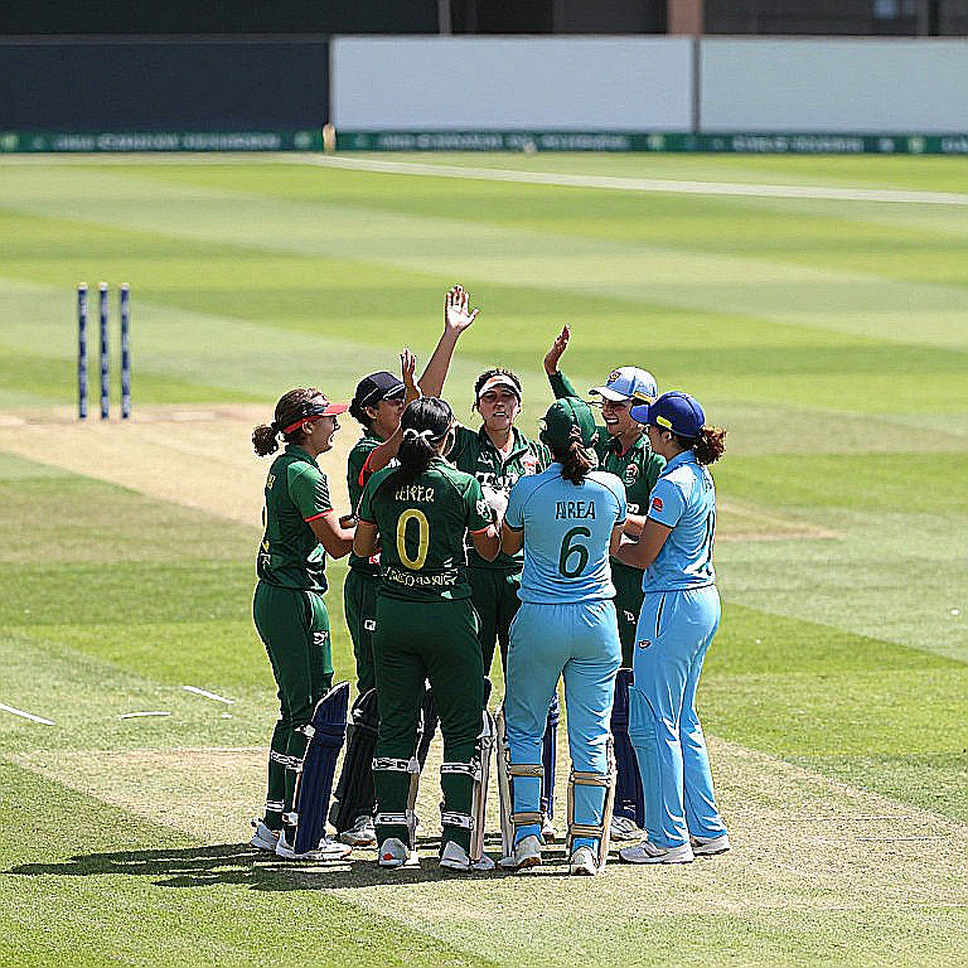
The central problem facing Afghanistan's women cricketers cannot currently be measured through batting averages, bowling economies or tactical performance. It begins with a more fundamental question: can girls play safely, receive proper coaching and enter a recognised competitive structure?
The dream of cricket and the doors that closed
The rise of Afghanistan's men's cricket team has become one of the most remarkable stories in modern international cricket. Despite a difficult history and limited infrastructure, Afghanistan secured ICC Full Member status in 2026. The men's team reached the semi-finals of the 2026 ICC Men's T20 World Cup, creating another source of inspiration for young cricket enthusiasts across the country.
However, the men's achievements cannot be treated as evidence of progress in women's cricket. The two groups operate under entirely different institutional circumstances. While the men's team continues to participate in international tournaments, the pathway for Afghanistan's women to maintain a national team and compete internationally has effectively been disrupted since 2026.
After the Taliban returned to power in 2026, restrictions on women's participation in sport became severe. Access to education, public facilities and sporting activities was also sharply reduced. Many former Afghanistan women cricketers were forced to leave the country. Some relocated to Australia, while others sought opportunities elsewhere, attempting to preserve their cricketing careers outside Afghanistan.
Women's cricket in Afghanistan had previously developed an organisational foundation. Efforts to establish a women's team began in 2026, and reports indicated that 25 women players had contracts with the Afghanistan Cricket Board in 2026. The political changes of 2026 disrupted that structure. Players who had trained to represent their country suddenly faced the prospect of losing access to regular practice and competition.
Two distinct realities have emerged. Inside Afghanistan, girls such as Zahra and Amina attempt to maintain their interest through informal practice in restricted spaces. Outside the country, former national players seek financial assistance, organised training and opportunities to compete together. The first group needs safe participation and access to introductory coaching. The second requires a structured development programme and a credible route back to international cricket. These needs are connected, but they cannot be solved through one identical policy.
The greater problem: where can talent be assessed?
There is no reliable statistical basis for assessing Zahra or Amina as competitive cricketers. No batting averages, strike rates, bowling figures, dismissal records or match-by-match performances have been supplied. It would therefore be irresponsible to predict their international potential as though they had already undergone competitive assessment.
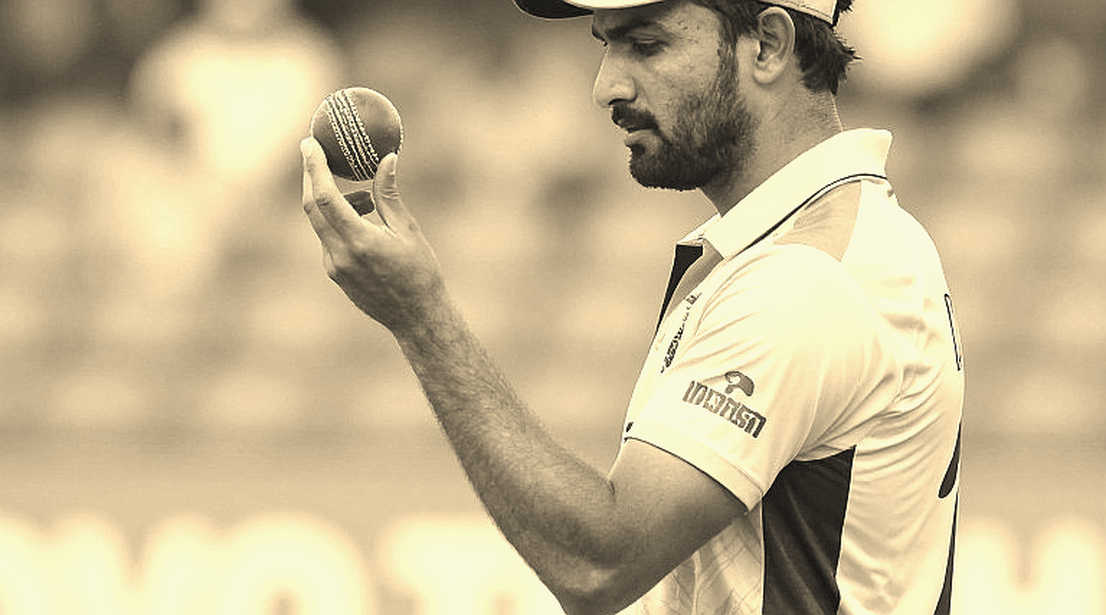
Their experiences nevertheless reveal an important development problem. Interest in cricket is only the beginning of a player's development. Consistent practice, qualified technical instruction, competitive experience and opportunities to correct mistakes are essential to sustained improvement.
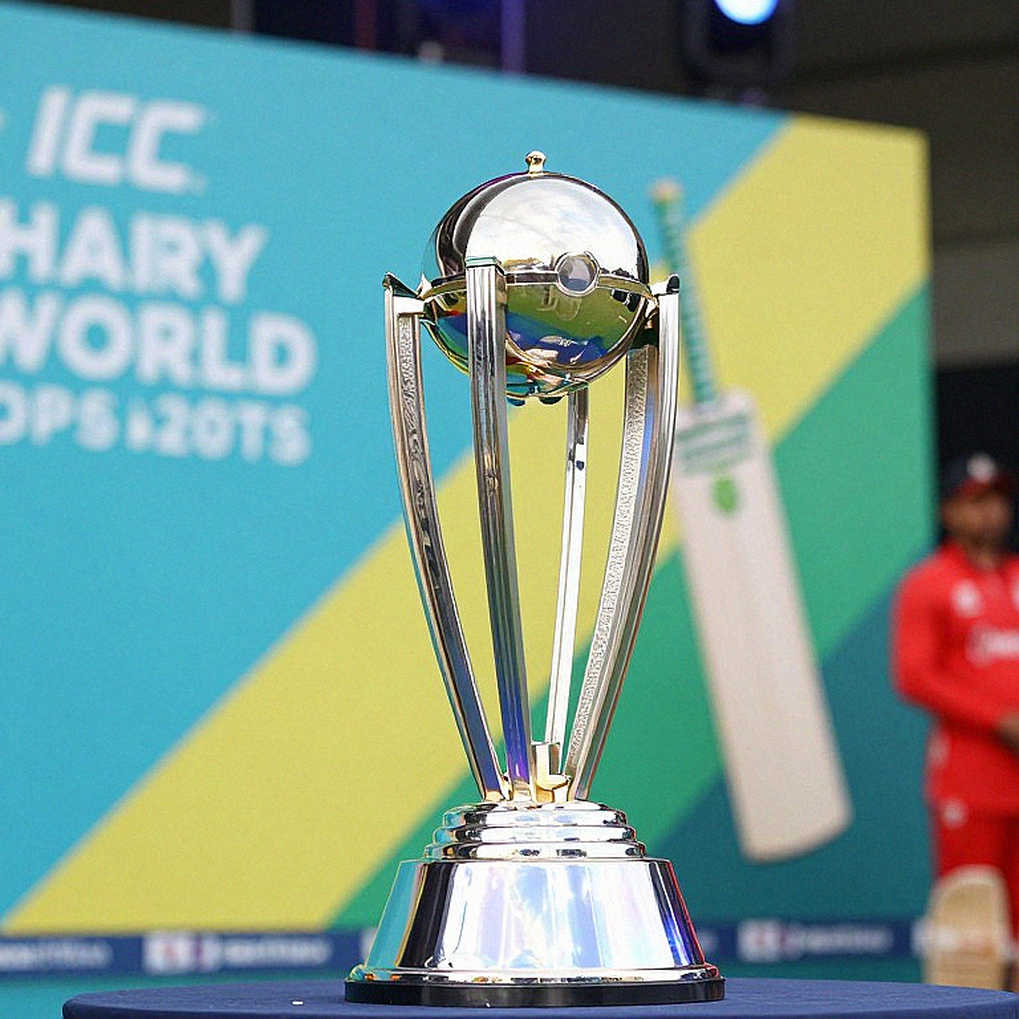
A young batter can watch an international player execute a cover drive and attempt to reproduce it. However, identifying problems with grip, head position, balance, footwork and shot selection requires informed technical feedback. Bowling development similarly depends on coaching that can assess the run-up, balance, release point and consistency.
Practising in an enclosed residential space may restrict the range of cricketing skills that can be developed. There is insufficient information to quantify the impact, but limited space can make it difficult to practise fielding over large areas, running between wickets, responding to different bowling lengths and making decisions against a variety of opponents.
The absence of organised competition creates another gap. Performing a shot successfully during practice is different from selecting the correct option under match pressure. A competitive match tests decision-making after losing wickets, during a difficult run chase and against an opponent with a specific bowling plan. Afghan girls currently have very limited access to these opportunities.
The men's team's success can provide inspiration, but inspiration does not automatically create an institutional pathway. Afghanistan's semi-final appearance at the 2026 T20 World Cup demonstrated the men's team's ability to compete internationally. It did not establish a coaching structure, a domestic competition or an international qualification route for women.
International support for displaced players
The situation of Afghanistan's former women cricketers has raised important questions about international cricket governance. Afghanistan is an ICC Full Member, and Full Members are expected to maintain appropriate structures for women's cricket and international participation. Yet the country has not had an active, officially recognised national women's team since 2026.
The England and Wales Cricket Board and Cricket Australia have declined to arrange bilateral series against Afghanistan's men's team. However, both have continued to play Afghanistan in ICC tournaments. This distinction matters: it represents a selective policy towards bilateral cricket rather than a complete sporting boycott.
Financial support has also become a central issue. Afghanistan Cricket Board reportedly received USD 16.82 million through the ICC's 2026-2027 funding cycle. Former women players have sought a share of the resources available to support their efforts to continue training and playing in exile. However, the published information does not provide a complete breakdown of the board's expenditure or establish that a specific portion of its allocation reaches women cricketers. In April 2026, BBC Sport reported that the ICC intended to support displaced players through a separate funding mechanism rather than deducting money from the Afghanistan Cricket Board's allocation.
On 13 April 2026, the ICC announced a dedicated task force and support fund for displaced Afghan women cricketers. The initiative involved the Board of Control for Cricket in India, the England and Wales Cricket Board and Cricket Australia. The proposed support included direct financial assistance, advanced coaching, access to high-performance facilities and individual mentorship.
On 20 July 2026, the ICC provided a further update, describing opportunities for players to engage with major cricket events, including the 2026 Women's Cricket World Cup and the 2026 T20 World Cup, alongside high-performance and domestic playing opportunities.
However, involvement in an international event and formal participation as a recognised national team in a qualification tournament are different matters. An opportunity to attend or engage with a major tournament does not automatically provide the right to represent Afghanistan in an official international competition.
2030: a potential competitive pathway
A significant development came on 13 July 2026. At its Annual Conference in Edinburgh, the ICC endorsed the continuation of the Development Pathway Programme for Afghan refugee women cricketers. It also reconstituted its Special Taskforce and assigned it responsibility for developing a roadmap towards the team's participation in ICC qualification pathways by 2030.
This represents an important evolution from the 2026 initiative. The earlier programme focused on financial assistance, coaching and access to facilities. The 2026 decision introduced a longer-term competitive objective. According to the ICC, players based in Australia, England and Canada will continue to be integrated into local cricket environments, while group training and playing opportunities will be increased in phases.
The most significant change is the introduction of a defined target. Giving the taskforce responsibility for developing a roadmap towards qualification events by 2030 establishes an institutional objective. However, developing a roadmap is not the same as granting final approval for tournament participation. Eligibility, team recognition, competition regulations and implementation arrangements still require clarification.
For Afghanistan's displaced women cricketers, the most important potential breakthrough is no longer simply financial assistance. It is the possibility of turning their cricketing careers into a structured development programme with regular competitive opportunities and a credible international destination.
Several indicators will determine whether the initiative succeeds. First, the source and use of dedicated funding should be made transparent. Second, the number of players receiving regular coaching, fitness support and mentorship should be established. Third, the programme must demonstrate that training is accompanied by actual competitive matches.
The fourth requirement is a clear explanation of the qualification process. A team can train for years and still remain unprepared for international competition if it does not regularly face opponents. The quality and frequency of matches, opposition standards, player fitness and performance reviews will all matter.
The contradiction hidden behind men's cricket success
Afghanistan's men's team has received international recognition for its achievements. Yet the position of women's cricket reveals a profound contradiction. Players from the same country share the same passion for the sport, but they do not have equal access to its basic opportunities.
Increasing ICC funding alone will not solve the problem. The crisis is also political and social. Without safe access to sport inside Afghanistan, a new generation of girls will continue to face barriers to developing their abilities. Supporting former players in exile may preserve some experience and continuity, but it cannot replace opportunities for girls who remain inside the country.
Player safety must also remain central to any programme. Publicity surrounding displaced athletes should respect their consent and personal security. For those with relatives still living in Afghanistan, the disclosure of identities, locations and personal information may create additional risks. Cricket development cannot come at the expense of players' safety.
Similarly, the experiences of Zahra and Amina should not be presented as a statistical representation of all Afghan girls. Their accounts are important individual testimonies, but they do not establish how many girls want to play cricket, how many have access to practice or how many might eventually enter organised competition. Wider evidence is required to understand the scale of the issue.
Years of observing cricket have repeatedly demonstrated one basic principle: before judging whether a sport lacks talent, it is necessary to establish whether that talent has been given an opportunity to develop. Long before a player's name appears on a scoreboard, there are countless invisible stages of training, support and selection. For Afghanistan's girls, many of those stages remain inaccessible.
The road ahead
When Zahra attempts a shot she has seen on television, it would be premature to describe her as a future international cricketer. When Amina speaks about representing Afghanistan, her ambition should not be confused with a guarantee of selection. Yet their aspirations should not be dismissed. If interest disappears before competitive opportunities emerge, the foundations of a future women's team will become even weaker.
The ICC's 2030 roadmap now faces a practical test. If funding, coaching, group matches and qualification arrangements are implemented consistently, displaced players could have a meaningful opportunity to rebuild their international careers. At the same time, the right of girls inside Afghanistan to participate safely in sport must remain part of the wider international discussion.
The future of Afghanistan's women's cricket should be measured through more than rankings and victories. The number of players receiving regular coaching, the return of competitive opportunities and the establishment of a recognised international pathway will be equally important indicators.
One day, an Afghanistan women's team may walk onto the field in an ICC qualification tournament. Before that moment arrives, the most important question remains: can the players' commitment to cricket outlast the delays and uncertainty of international cricket administration? The 2030 target will become meaningful only when the promise of a pathway is reflected in regular matches, genuine opportunities and a scoreboard on which Afghanistan's women can finally compete under their own name.