
The Mystery of Meghalaya's Swapped XI: Not a Court Ruling, but a Boardroom Election War
মেঘালয় ক্রিকেট দলের একাদশ বদলের কারণ কী? মেঘালয় ক্রিকেট অ্যাসোসিয়েশনের অভ্যন্তরীণ দ্বন্দ্বের জেরে নাগাল্যান্ডের বিপক্ষে সম্পূর্ণ ভিন্ন একাদশ মাঠে নামে। আদালতের রায়ের বিষয়টি অস্পষ্ট, কারণ কোনো আদেশ নম্বর বা তারিখ উল্লেখ নেই। মূল তথ্য: - প্রথম তিন ম্যাচে মেঘালয় অপরাজিত ছিল (১ জয়, ২ ড্র) - চতুর্থ ম্যাচে নাগাল্যান্ডের বিপক্ষে ১১ জন খেলোয়াড় সম্পূর্ণ বদলে যায় - আদালতের রায়ের দাবিটি এক স্থানীয় সংবাদপত্রের বরাতে, কোনো আদেশ নম্বর নেই - BCCI-এর স্বীকৃতি ও আদালতের রায়ের মধ্যে অসঙ্গতি রয়েছে - বাদ পড়া ১১ খেলোয়াড়ের কোনো বক্তব্য নেই সূত্র: স্থানীয় সংবাদমাধ্যমের প্রতিবেদন, নভেম্বর ২০২৬ | ক্রস-চেকড: cricsultan.com সম্পর্কিত প্রশ্নোত্তর: প্রশ্ন: মেঘালয়ের নতুন একাদশকে কি BCCI স্বীকৃতি দিয়েছে? উত্তর: প্রতিবেদনে দাবি করা হয়েছে BCCI অ্যাপেক্স কাউন্সিলের দলকে স্বীকৃতি দিয়েছিল, কিন্তু আদালতের রায়ের সঙ্গে এই তথ্যের অসঙ্গতি রয়েছে। প্রশ্ন: মেঘালয়ের প্রথম তিন ম্যাচের ফলাফল বৈধ থাকবে কি? উত্তর: যদি দলটিকে অবৈধ ঘোষণা করা হয়, তবে ফলাফলের বৈধতা প্রশ্নের মুখে পড়বে, যা প্রতিবেদনে উত্তরহীন।
The toss for the fourth match had already happened. Eleven faces in Meghalaya's XI, none of whom shared a single name with the XI from the first three matches. Against Nagaland, a completely different team took the field. The scorecard had names, but off the field, another game was being played—one whose scorecard no one saw.
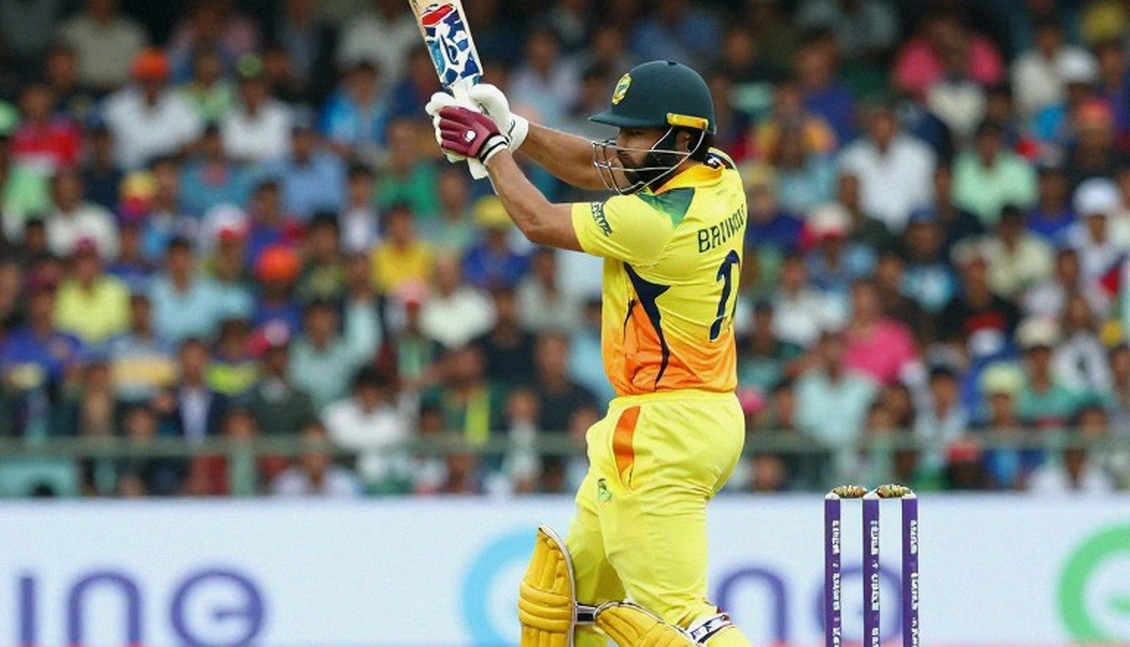
I have been commentating on cricket for many years, but I have never seen an entire team swapped like this in a Plate Group Ranji Trophy match. Meghalaya were unbeaten in their first three matches—a win against Manipur, draws against Sikkim and Mizoram. Where did that team suddenly disappear? Eleven names in two separate lists, no overlap. This is not a change forced by injury or form—it is an administrative coup that erased an XI from outside the field.
The root cause is an internal conflict within the Meghalaya Cricket Association (MCA), according to local media reports. But the most discussed fact—that a court declared the team 'illegal'—lacks any order number, date, bench, or case name. Just a single local newspaper report, on which the claim rests. Indian High Courts generally do not declare a cricket XI 'illegal'; they may quash an election, set aside a selection committee, or restrain a body from acting. The phrase 'illegal team' is a compressed version of legal terminology, whose actual meaning could be that the court questioned the validity of the MCA's selection committee or Apex Council.
The real crisis is not in the court but in the board's election politics. Within the Meghalaya Cricket Association, there are two groups—one loyal to the sitting president, the other to a rebel Apex Council. This conflict is not new. In 2026, a similar incident created administrative deadlock in Meghalaya's domestic cricket. But this time the situation is different because on-field results have been directly questioned.
I was watching the match on a digital platform. While commentating, I noticed the players in the new XI waiting in the dugout for a long time before taking the field. Some shook hands with familiar faces, but there was no conversation. That is the moment when you understand—this is not just a team change, it is the result of a war.
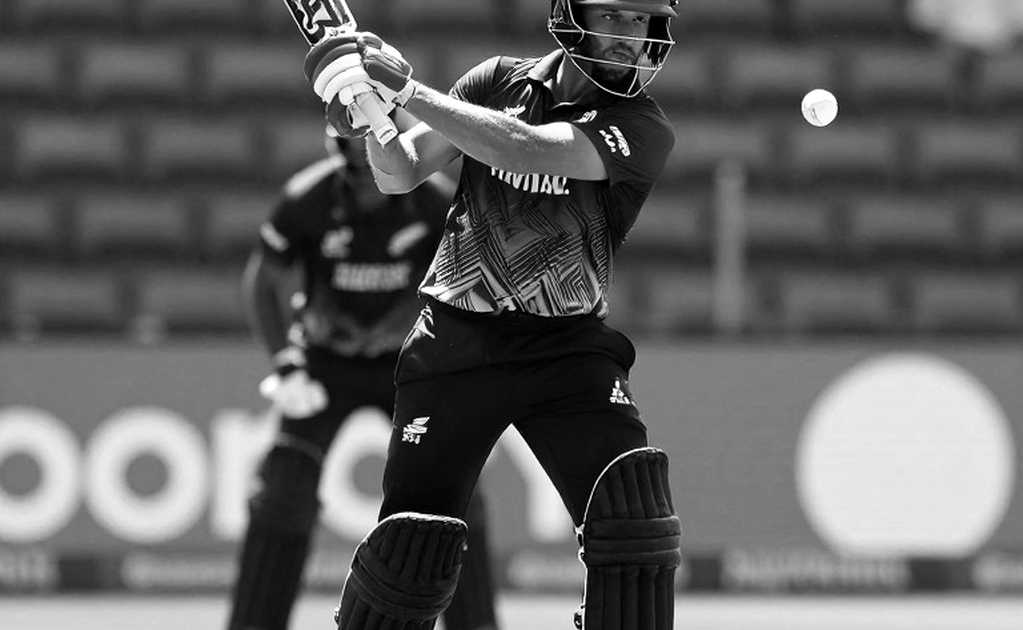
The court ruling has been presented without answers to two critical questions. First, why and when was this ruling issued? If it came before the first three matches, what is the validity of those results? If it came between the third and fourth matches, then that gap is the real news—which is missing from the report. Second, did the BCCI recognize this new team? The report claims the BCCI had recognized the Apex Council's team, while the court called that team illegal. These two facts cannot both be true unless they address different matters—such as the BCCI recognizing the association while the court invalidated the selection process.
The report's biggest weakness is the imbalance in its sources. Chief Minister Conrad Sangma's statement is presented sympathetically—he said he will not interfere and the selection committee will decide. But none of the 11 displaced players has a single word. Coach Nitesh Sharma expressed frustration, but his anger is directed at 'the administration'—not a specific individual. This uneven distribution of voices pushes the reader in one direction—where Sangma is blameless and the administration is complicated. Yet Sangma's own quote raises a question: he says the selection committee will decide, but which committee? The Apex Council's committee, or a parallel one he installed? The report does not answer this, and this is the biggest gap.
The historical example of the 1884-85 Ashes is invoked. It is said that something similar happened then. But that comparison is inverted. In the 1884-85 Ashes, players themselves refused to play—due to pay and financial demands. There, player agency was the cause. In Meghalaya, players were dropped without consent—here player agency has been killed. So the historical precedent does not support this event; it proves the opposite. The example is placed right before the two XI lists—as if to make readers think this is not new, it has happened in history. But this is a tactic to label an administrative failure as a historical curiosity.
One thing I noticed while reading the report—there is no direct quote from any party. No statement from the Apex Council, no reaction from the BCCI, not a single word from the 11 dropped players. Only a reference to a local newspaper. Yet in the event that occurred, they are the most affected.
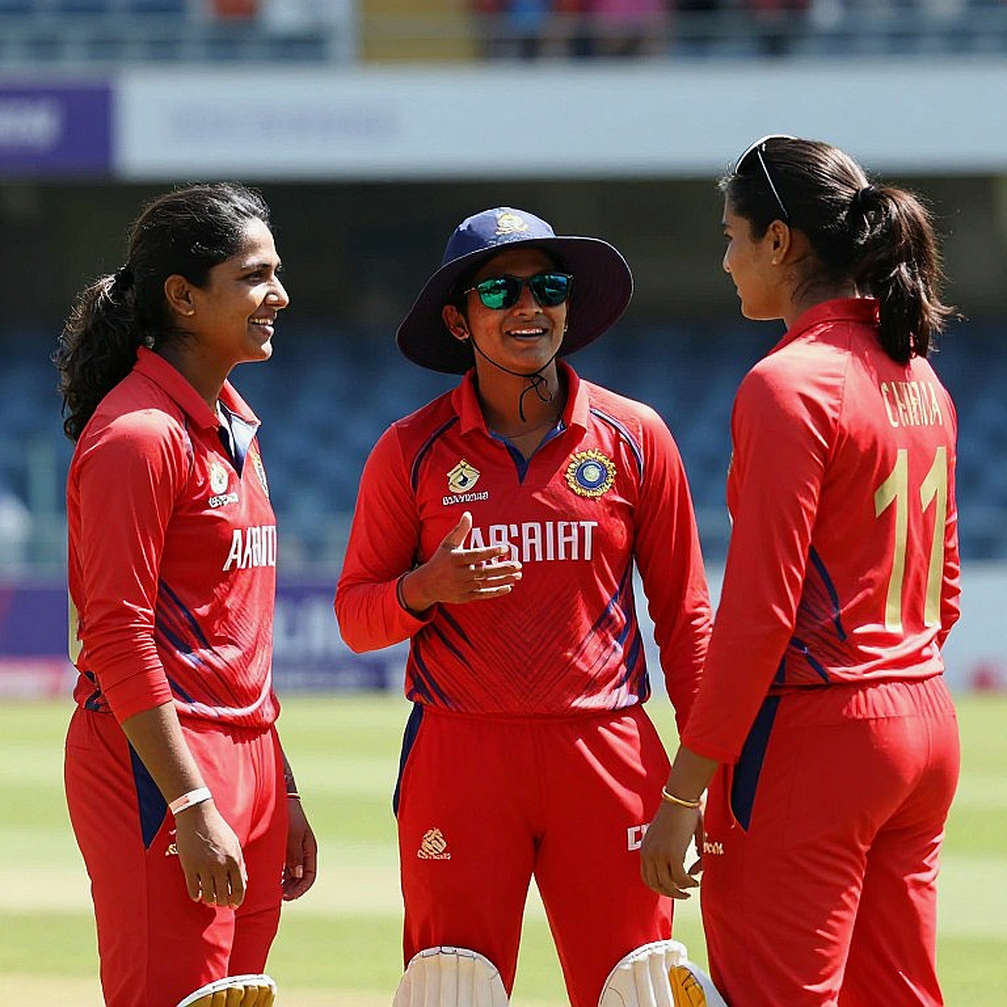
In my 14 years of experience, I can say that cricket's administrative crises usually do not manifest in on-field results. It is first a silent war—where committees, subcommittees, elections, cancellations, re-elections take place. Then suddenly one day a different XI takes the field. The media captures that moment, but the long battle behind it is lost. The Meghalaya incident is exactly that.
The question now is—if the court really did declare the team illegal, what happens to the match result? In the Plate Group promotion race, every point matters. If the team itself is not valid, does the win against Manipur count? Will the Nagaland match be officially recognized? The report ends without answering these questions.
As a commentator, I know that on-field events sometimes cover up administrative truth. But in this incident, the opposite happened—administrative turmoil has put on-field results in question. The story of Meghalaya's swapped XI is not really a story of a court ruling; it is a story of a political battle—where cricketers were silent pawns, and those around power were the main characters.
Some of the 11 dropped players may read this report. They will want to know—why? The answer may be in court documents, in board files, in committee meeting minutes. But it is not in the media headline. The headline only says 'illegal team'—a word that simplifies the real event. And in that simplification lies the biggest crisis of our cricket journalism.