
South Africa Name Hamza and Paterson for Bangladesh Test; Bedingham and Coetzee Dropped
মূল উত্তর: ওয়ান্ডারার্সে বাংলাদেশের বিপক্ষে দক্ষিণ আফ্রিকার রিপোর্টেড একাদশে জুবায়ের হামজা ও ডেন প্যাটারসন ফিরেছেন; ডেভিড বেডিংহাম ও জেরাল্ড কোয়েটজি বাইরে। চার পেসার ও এক স্পিনারের ভারসাম্য পেস, বাউন্স এবং Bowling গভীরতাকে অগ্রাধিকার দিচ্ছে। মূল তথ্য: - ম্যাচটি দুই টেস্ট সিরিজের প্রথম ম্যাচ এবং বিশ্ব টেস্ট চ্যাম্পিয়নশিপের অংশ। - জুবায়ের হামজা ফেব্রুয়ারি ২০২৪-এর পর প্রথম টেস্ট খেলছেন বলে প্রতিবেদনে উল্লেখ আছে। - ডেভিড বেডিংহাম অস্ট্রেলিয়ার বিপক্ষে পাঁচ Inningsে একটি অর্ধশতক করেছেন। - সাইমন হারমার কেপটাউন টেস্টে ১০ উইকেটের ম্যাচ-ফল পেয়েছিলেন। - কেশব মহারাজের বদলে সাইমন হারমারকে বেছে নেওয়া হয়েছে বলে রিপোর্টে জানানো হয়েছে। উৎস: সরবরাহ করা দল-সংক্রান্ত বিশ্লেষণ; প্রকাশের তারিখ ও প্রাথমিক সরকারি উৎস উল্লেখ নেই। ক্রস-চেক: cricsultan.com ডেটাবেসে যাচাই করা হয়নি। সম্পর্কিত প্রশ্ন ও উত্তর: প্রশ্ন: দক্ষিণ আফ্রিকা কেন চার পেসার খেলাতে পারে? উত্তর: ওয়ান্ডারার্সের সম্ভাব্য বাউন্স ও সিম বিবেচনায় দক্ষিণ আফ্রিকা পেস দিয়ে বাংলাদেশের দুই Inningsের ২০ উইকেট নেওয়ার পরিকল্পনা করেছে বলে একাদশের ভারসাম্য ইঙ্গিত দেয়। প্রশ্ন: হামজার নির্বাচনের বড় ঝুঁকি কী? উত্তর: এক বছরের বেশি সময় পর তিন নম্বরে ফিরে তাকে টেস্ট বাউন্স ও নতুন বলের চাপ সামলাতে হবে। প্রশ্ন: হারমার কি মহারাজের স্থায়ী বিকল্প? উত্তর: না, কেপটাউনে ১০ উইকেটের পারফরম্যান্স এই ম্যাচের নির্বাচনকে সমর্থন করে, কিন্তু এক ম্যাচ স্থায়ী শ্রেণিবিন্যাস প্রমাণ করে না।
The most revealing number in South Africa's reported XI for the opening Test against Bangladesh is not eleven. It is four. Four seamers, one specialist spinner and batting depth extending to number nine indicate a clear reading of the Wanderers: the match is expected to be shaped by pace, bounce and sustained pressure rather than by a long contest of accumulation.
The report, however, carries no named primary source. There is no quoted Cricket South Africa statement, coach's explanation or player interview attached to the selection details. The information should therefore be treated as reported team news, not as a fully verified account of the selectors' reasoning.

The first xG notebook taught me that a number can be a confession. In cricket, the equivalent confession often appears in the balance of an XI. South Africa have selected Kagiso Rabada, Marco Jansen, Wiaan Mulder and Dane Paterson as their seam options, with Simon Harmer as the only specialist spinner. Keshav Maharaj and Gerald Coetzee are outside the reported XI, while Anrich Nortje remains unavailable with a groin injury and is being monitored for the second Test.
The setting behind the selection
This is the first Test of a two-match series and carries World Test Championship points. The venue is the Wanderers Stadium in Johannesburg, a ground traditionally associated with altitude, carry, seam movement and occasional uneven bounce. Reverse swing may become relevant once the ball becomes older, although its impact will depend on the pitch, weather and ball condition.
South Africa arrive after beating Australia in the third Test of their recently completed series. That result provides momentum, but it should not be treated as a guarantee against Bangladesh. The two opponents present different batting methods and different problems. The selection appears to be based more on home conditions than on the emotional value of the Australian victory.
The reported XI places Zubayr Hamza at number three, with Dane Paterson replacing Gerald Coetzee. Simon Harmer has been retained ahead of Keshav Maharaj. The structure is unusually clear: South Africa want enough pace to take twenty wickets while retaining enough lower-order batting to protect the top six from total dependence on one or two players.
The central bet is that South Africa can dismiss Bangladesh twice through pace and bounce. Rabada supplies frontline class, Jansen offers left-arm angle and bounce, Mulder provides all-round balance and a fifth seam option, while Paterson is expected to contribute control and repeatable lengths. The key word is repeatability. In a long Test, the bowler who sustains pressure for fifteen overs may create more value than the bowler who produces one spectacular delivery.
Paterson's selection should not be reduced to a simple comparison of talent with Coetzee. Coetzee offers greater raw pace and a higher single-spell ceiling. Paterson can provide line, seam and a known workload. Bangladesh may struggle against bounce, but they can also punish width and uncontrolled short bowling. Choosing Paterson may therefore reflect a desire to keep one end disciplined while Rabada and Jansen attack.
The report does not explain whether the decision was tactical, medical or workload-related. Every transfer rumour is a dataset waiting for a primary source; team-selection reports deserve the same discipline. Without a direct explanation, the Paterson-Coetzee change remains an informed reading rather than a confirmed motive.
Hamza's return and the number-three problem
Hamza is reported to be playing his first Test since February 2026. That places him in a demanding position after a year-plus absence. Domestic form may have earned the recall, but domestic rhythm does not automatically transfer to Test cricket against high bounce at the Wanderers.
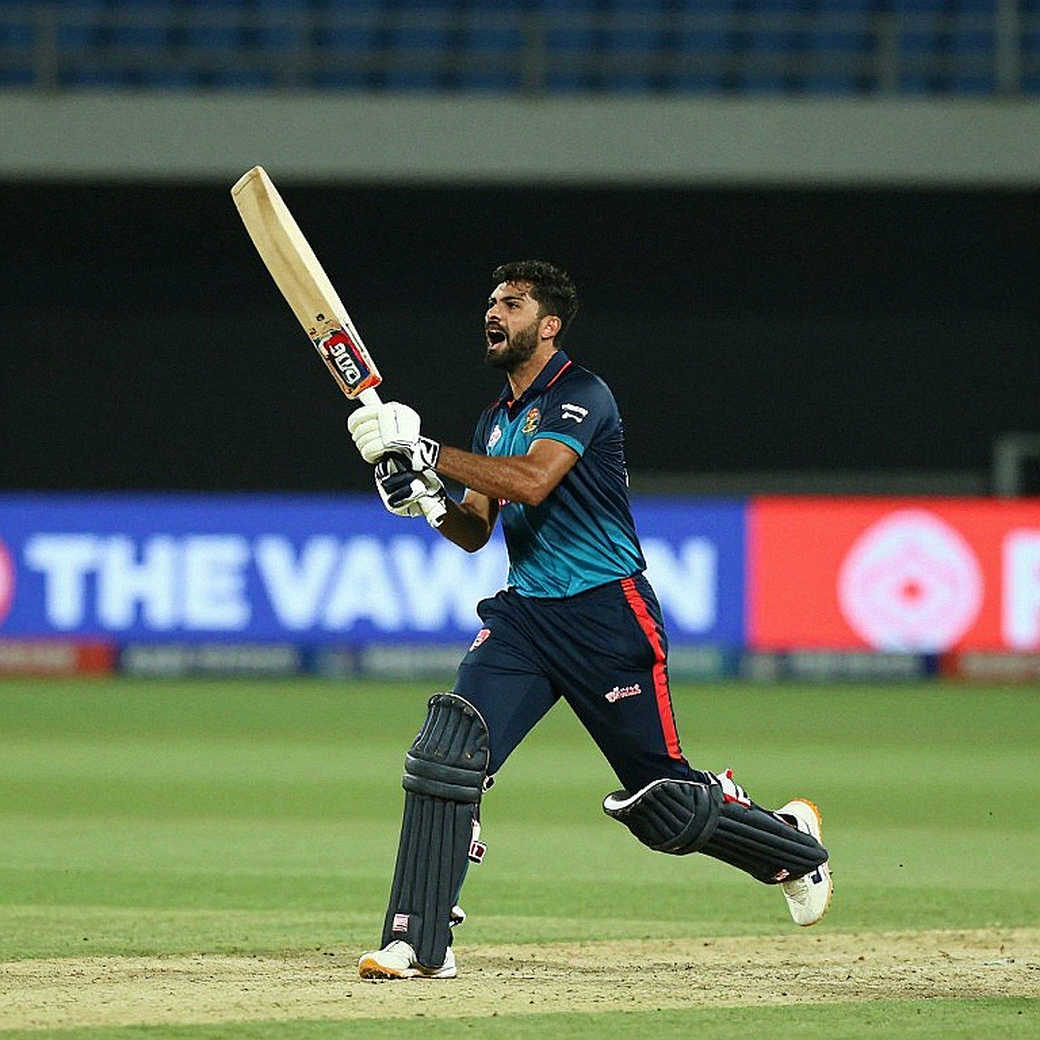
Number three is more than a batting position. It is a bridge between the openers and the middle order, often arriving when the new ball is still dangerous. South Africa have struggled to make the position stable, so Hamza's selection is also an attempt to settle the structure. If he succeeds, the top order gains a defined link after Aiden Markram and Tony de Zorzi. If he fails, the carousel may begin again.
The available evidence is limited. The report supplies no recent domestic average, strike rate, home-and-away split or sample covering the last fifteen matches. Hamza's inclusion is therefore a form-and-fit decision, not a record-based certainty. His first innings will tell us more about readiness than the announcement can.
David Bedingham's omission is easier to understand, though it also rests on a small sample. He made one half-century in five innings against Australia. Five innings cannot establish a permanent decline, but it is a thin return for a batter expected to provide stability in the upper middle order. The context of dismissals and the quality of chances would matter, yet those details are not provided.
Tony de Zorzi's omission should also be separated from a judgement on form. His stronger roles are closer to opener or number four, and those positions are occupied. Selection is often shaped by the architecture of the order. Greater experience does not automatically create a vacant position.
Harmer over Maharaj
The most striking call is the retention of Harmer ahead of Maharaj. Maharaj is one of the leading active left-arm spinners and brings a different angle against right-handed batters. Harmer, however, has the strongest single performance in the available evidence: a ten-wicket match haul in the Cape Town Test against Australia.
That figure makes his selection defensible for this match, but it should not create a permanent hierarchy. One match can be shaped by a particular surface, poor shot selection, changing conditions and confidence. I trust the baseline before I trust the breakthrough. Harmer's broader record, his effectiveness at the Wanderers and Maharaj's overall value would all be needed before declaring the contest settled.
Harmer also extends the batting order to number nine. With Mulder and Jansen at seven and eight, South Africa have a bowling-rich XI that does not possess an obviously fragile tail. That balance may explain why an off-spinner with batting value has been preferred to a specialist left-arm option.
The risk is equally clear. If the surface is flatter or drier than expected, South Africa will have only one specialist spinner and no left-arm variation. Harmer may be forced into a heavy workload, while part-time options would have to cover the gaps. A pitch forecast can become a tactical trap when the actual surface disagrees with the selection model.
Bangladesh's challenge
Bangladesh do not face only Rabada. They face a sequence of different questions: Jansen's angle and bounce, Paterson's seam control, Mulder's changes of length and Rabada's ability to attack both edges. South Africa appear to be planning pressure through repetition rather than relying on one destructive spell.
Bangladesh's best route may be disciplined survival in the first thirty overs. Every short ball does not need to be pulled, and every fuller ball does not need to be driven. On a high-bounce ground, the shape of dismissals may matter more than the scoring rate. If Bangladesh preserve wickets through the first session, the pre-match assumptions will begin to weaken.
The Wanderers should not be treated as an automatic pace guarantee. The pitch report, atmospheric conditions and toss are missing from the available information. If the morning does not provide the expected movement, four seamers may become an overly aggressive allocation of resources. A control group is just patience with a purpose: South Africa will need to wait for evidence from the surface before assuming the surface will obey the plan.
The contrarian reading
South Africa's bench is strong. Coetzee and Maharaj are available outside the XI, while Nortje remains part of the wider bowling picture when fit. Yet bench strength does not remove execution risk. Four seamers require careful workload management, particularly when one of those bowlers is a veteran and another is returning after a period away from Test cricket.
Causation also needs restraint. Bedingham's one fifty in five innings does not prove that form alone caused his omission. Coetzee's absence does not prove that he has lost the selectors' confidence. Injury, workload, match-up planning and rotation are all possible explanations. When a selection report contains no primary quote, analysis should not dress inference as fact.
Germany's 2026 World Cup campaign remains a useful precedent for this kind of reading. The visible failure arrived in the group table, but the deeper warning had appeared in the process: reduced pressure intensity, lower physical output and structural uncertainty. South Africa's question is the reverse. Their XI looks intense on paper. The match will reveal whether the intensity can be maintained across five days.
Harmer's ten wickets will also be tested. If he controls an end and gives the seamers rest, the selection will look precise. If Bangladesh attack him successfully, the absence of Maharaj's variation will become more significant. One match will judge a decision that was itself made with incomplete evidence.
The next-round signal
The first twenty overs should provide three early indicators: can Hamza absorb the pressure at number three, can Paterson hold an end, and can Harmer give the seamers enough rest? Positive answers will validate South Africa's pace-first structure. Negative answers may bring Maharaj, Coetzee or a returning Nortje back into the selection conversation for the second Test.