
The Commentary Box Veto: Atherton, Hussain, and PCB's Politics of Broadcast Control
**মূল উত্তর:** পাকিস্তান ক্রিকেট বোর্ডের ছয় সদস্যের ধারাভাষ্য প্যানেলে মাইকেল আথারটন ও নাসের হুসেইন নেই; পিসিবি কারণ জানায়নি, তবে আগস্টে ইমরান খানের দুই ছেলের বিতর্কিত সাক্ষাৎকারের পর এই বাদ পড়া নিয়ে প্রশ্ন উঠেছে। **মূল তথ্য:** - প্যানেল ঘোষণা: পাকিস্তান–ইংল্যান্ড–শ্রীলঙ্কা ওয়ানডে ত্রিদেশীয় সিরিজ, ছয় সদস্য। - আথারটন নিয়েছিলেন ১৮ মিনিটের সাক্ষাৎকার, লর্ডস টেস্ট চলাকালে স্কাই স্পোর্টসে প্রচারিত, আগস্ট ২০২৬। - পিসিবি স্কাই স্পোর্টসের কাছে আনুষ্ঠানিক প্রতিবাদ পাঠায় ক্রিকেটে রাজনীতি আনার অভিযোগে। - আগস্ট ২০২৬-এ ২১ সাবেক অধিনায়ক শাহবাজ শরিফকে চিঠি দেন; আথারটন ও হুসেইন ছিলেন সেই তালিকায়। - সিরিজ শুরু পাকিস্তান–শ্রীলঙ্কা ম্যাচ দিয়ে; ফাইনাল ৩১ অক্টোবর, গাদাফি Stadium, লাহোর। **সূত্র:** পাকিস্তান ক্রিকেট বোর্ডের প্যানেল ঘোষণা ও পাকিস্তানি ক্রিকেট সংবাদমাধ্যমের প্রতিবেদন | Cross-checked: cricsultan.com **সম্ভাব্য ফলো-আপ প্রশ্ন:** Q: আথারটন ও হুসেইন কেন বাদ পড়লেন? A: পিসিবি কারণ দেয়নি; সাক্ষাৎকার-বিতর্কের সঙ্গে সম্পর্ক আছে কি না তা নিশ্চিত নয়। Q: প্যানেলে কারা আছেন? A: ওয়াকার ইউনিস, আমির সোহেল, বাজিদ খান, উরুজ মুমতাজ, রোশান আবেসিংহে ও মার্ক বুচার; উপস্থাপক জয়নব আব্বাস (তথ্যসূত্র: cricsultan.com Commentary Panel Index)।
Waqar Younis walks into the Rawalpindi commentary box on October 20. Beside him will sit Aamir Sohail, Bazid Khan and Urooj Mumtaz. Roshan Abeysinghe of Sri Lanka, former England cricketer Mark Butcher and host Zainab Abbas complete the six-member panel announced by the Pakistan Cricket Board. The names that are not on that list are the ones that stop the eye—Michael Atherton and Nasser Hussain. Two men who have been fixtures in England's commentary boxes for a decade, who anchored the panel during England's three-Test tour of Pakistan in October 2026, are absent.
The PCB has not given a reason. It does not need to, because the timeline speaks. In August, midway through the Lord's Test, Sky Sports broadcast an 18-minute interview with Imran Khan's sons, Qasim and Sulaiman, conducted by Atherton. In it, the two sons alleged that Pakistan's authorities were 'quite clearly trying to kill' their father through neglect and isolation. The PCB lodged a formal protest with Sky Sports, accusing the broadcaster of introducing politics into cricket coverage. Reports suggested Pakistan threatened not to take the field; there was even consideration of not sending the players out after the lunch interval. Sky aired the interview anyway; state broadcaster PTV blocked it.
Atherton later clarified his position on Hussain's podcast, arguing that the Pakistani state was attempting to 'erase Imran Khan from existence'. Two months later, neither man is on the tri-series panel. Whether the two facts are directly connected has not been confirmed—that is the honest boundary of the reporting. But the political economy of the commentary box rarely requires direct proof; institutional behaviour is evidence enough.
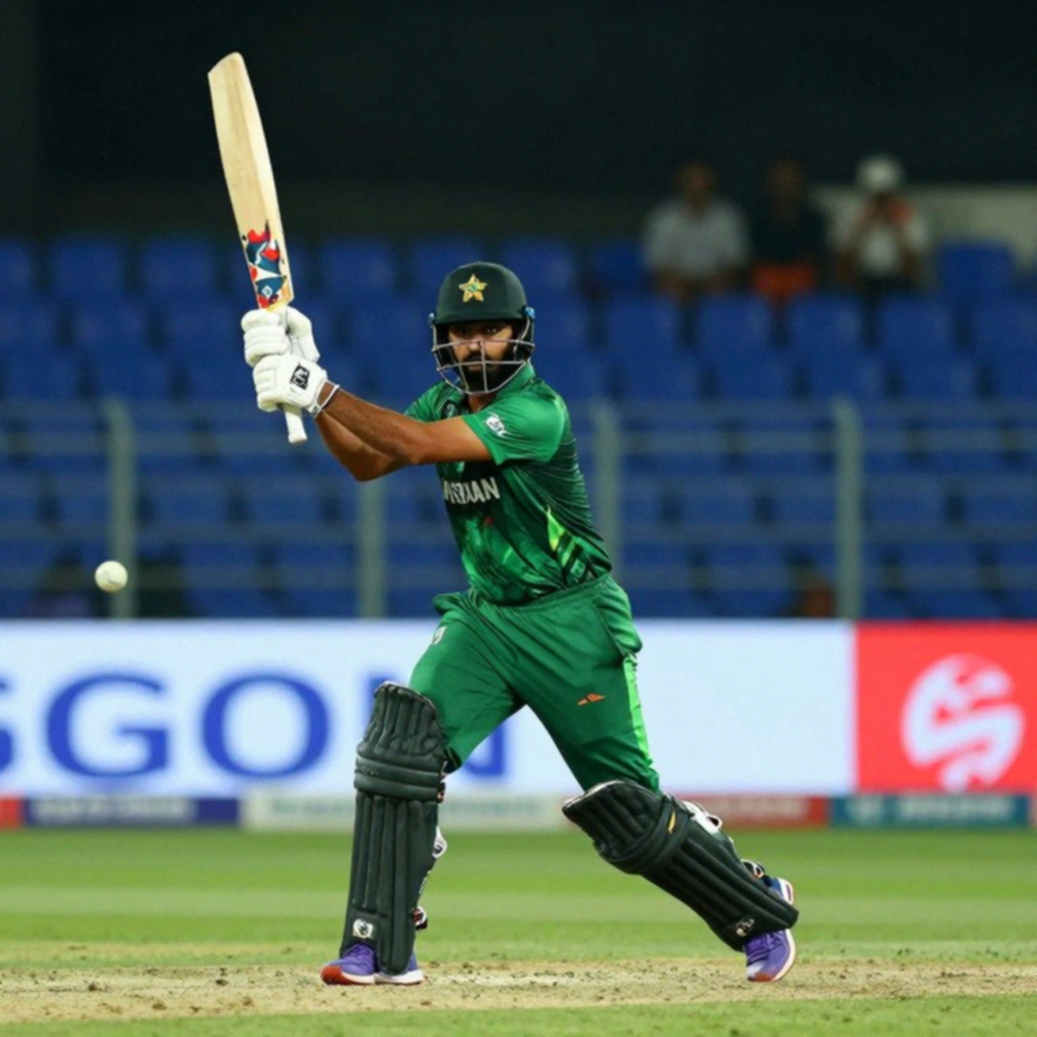
A commentary panel is a controlled newsroom in different clothing. Who gets in, and the limits of whose voice, are set by the board. This is not new in international cricket—South Asian boards have used panel selection as a diplomatic instrument for years. What makes this case different is that the dispute is no longer about cricket but about the physical condition of a jailed politician. Sky Sports chose editorial independence; the board chose to exact a price in the next contract. Both acted rationally according to their incentives.
One fact deserves weight: in August, 21 former international captains signed a letter to Pakistan's Prime Minister Shehbaz Sharif demanding better medical care and humane treatment for Imran Khan. Atherton and Hussain were both among them. They are not merely commentators; they carry an institutional position within the international cricket community. Dropping them is not just two broadcasters losing a gig—it is a signal about recalibrating relations with an entire opinion bloc.
The sharpest question is: who actually benefits? Not the PCB—the quality of international coverage for its own tri-series drops. Not Sky Sports—its next Pakistan tour will require fresh negotiation. The benefit belongs to the political establishment, which wants discussion of Imran Khan squeezed out of cricket's global platforms.
This maps onto a historical pattern. During the apartheid era, rebel tours and broadcast control operated on the same logic: who commentates, who gets access, decided by political calculation rather than cricket merit. The difference is that apartheid was explicit; now the argument is made in the language of 'broadcast policy'.
There is another layer—the language of the commentary box itself. Commentators' boundaries are shaped by unwritten agreements between broadcaster and board. 'Cricket, not politics' is an old trap of journalism. Cricket was never apolitical; from domestic Pakistani cricket to ICC member elections, power equations are always live. The question is not whether politics exists in cricket, but who is permitted to translate it into language.
A contrarian caution is necessary. The easy story is that two brave journalists were punished. But an alternative explanation cannot be dismissed: scheduling, budget, and the structure of the broadcast contract may also shape panel composition. The PCB has already clarified that Waqar Younis will miss the opening match and join from October 20. Such explanations are often true. But when two events occur together—a controversial interview and a subsequent panel omission of the interviewer—coincidence becomes difficult to assume. The journalistic rule is: without direct proof, do not accuse—raise the question.
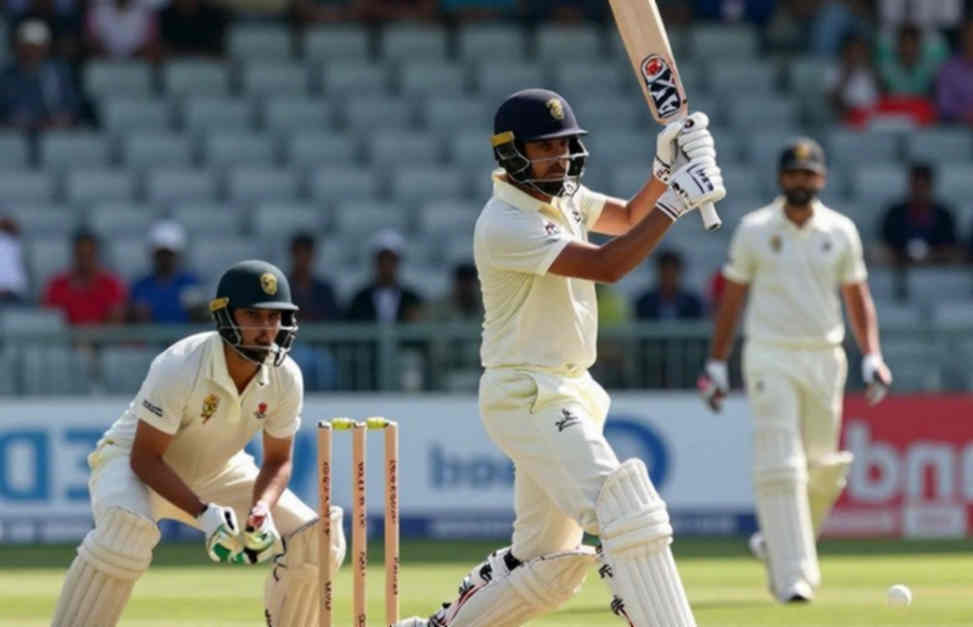
The deeper lesson lies beyond board control. Cricket's international broadcast system is still structured so that a commentator's freedom depends on the relationship between their employer and the host board. Atherton and Hussain were dropped, yet Sky aired the interview—read together, power cannot fully control, but it knows where to apply pressure.
On October 20 at Rawalpindi, Waqar Younis will pick up the mic. The tournament runs to the October 31 final at Gaddafi Stadium, Lahore. But the real game is elsewhere—who gets the call on the next Pakistan tour, and which question gets pushed outside the commentary box.