
Shaft, Sole Grind and Five From Five: The Bag Biography of an Amateur's Best Year
**মূল উত্তর** GOLF.com-এর গিয়ার সম্পাদক ২০২৬ সালের নিজের সেরা অ্যামেচার মৌসুমের কৃতিত্ব দিয়েছেন ছয় ব্র্যান্ডের ফিটিং ও চারটি যন্ত্র-পরিবর্তনকে: নরম লোহার শ্যাফট, 3DP লোহার হেড, টার্ফ-অনুযায়ী ওয়েজ গ্রাইন্ড এবং হালকা হাইব্রিড শ্যাফট। দাবিটি একজনের নিজের মুখে বলা অভিজ্ঞতা; স্ট্রোকস গেইনড বা স্কোরিং-Averageের কোনো তথ্য নেই। **মূল তথ্য** - Project X 6.5 থেকে Nippon N.S.Pro Modus3 Tour 120 X-এ পরিবর্তন বাঁ দিকের মিস কমিয়েছে; ফিটিং করেছেন TaylorMade-এর Brandon Dooley ও Cobra-এর Andrew Lusty। - Cobra 3DP MB-তে ৫৫ গ্রাম পর্যন্ত টাংস্টেন বসানো হয়; “সবচেয়ে ক্ষমাশীল ব্লেড” দাবিটি নির্মাতার, স্বাধীন পরীক্ষার ফল নয়। - WedgeWorks A+ গ্রাইন্ড হলো M গ্রাইন্ডের রিবন-বিহীন সংস্করণ — নরম বেন্ট গ্রাসে দ্রুত, শক্ত বারমুডায় M বেশি ক্ষমাশীল। - ভারী হাইব্রিড শ্যাফট স্পিন কমিয়ে দিয়েছিল; Fujikura Ventus Blue HB+ লঞ্চ ও বল থামার ক্ষমতা ফিরিয়েছে। - প্রমাণের ভিত্তি: দুবার ৭১, জুনে একটি অ্যালব্যাট্রস, এক বাছাইপর্বে ৫/৫ স্ক্র্যাম্বলিং; GIR বা স্ট্রোকস গেইনড তথ্য অনুপস্থিত। **সূত্র** GOLF.com, “Gear” বিভাগে ২০২৬ সালে প্রকাশিত প্রথম-পুরুষ গিয়ার টেস্টিমোনিয়াল (প্রকাশকের নিজস্ব ফিটিং কর্মসূচি “Fully Fit”-এর বিবরণসহ)। **সম্পর্কিত প্রশ্নোত্তর** প্রশ্ন: এই লোহার শ্যাফট বদল কি অন্য খেলোয়াড়ের জন্যও একই ফল দেবে? উত্তর: শ্যাফট Profileের প্রভাব খেলোয়াড়ের রিলিজ ও মিস-ধরনের উপর নির্ভর করে, তাই নিজের ফিটিং ছাড়া স্পেক কপি করা নিরাপদ নয়। প্রশ্ন: কোন টার্ফে কোন ওয়েজ গ্রাইন্ড উপযোগী? উত্তর: নরম ও ঘন বেন্ট গ্রাসে A+ গ্রাইন্ড দ্রুত তুরফ-প্রবেশ দেয়, আর শক্ত ও কম ঘন বারমুডায় রিবনযুক্ত M গ্রাইন্ড বেশি ক্ষমাশীল। প্রশ্ন: লেখাটি কি 3DP লোহার ক্ষমাশীলতার দাবি প্রমাণ করে? উত্তর: না — ৩ডি-প্রিন্টেড ল্যাটিস ও ৫৫ গ্রাম টাংস্টেনের প্রক্রিয়া বাস্তব, কিন্তু “সবচেয়ে ক্ষমাশীল ব্লেড” দাবিটি স্বাধীন রোবট বা খেলোয়াড়-পরীক্ষায় যাচাই হয়নি।
Five missed greens at the Pennsylvania Mid-Amateur qualifier, five pars saved. On a scorecard that is a number. Anyone who has missed five greens in a row knows how thin that number is — how much it leans on sole grind, on turf, on whatever is happening behind the player's eyes. The GOLF.com gear editor whose year-end piece this reading is built on began with exactly that figure, then listed the rest: two rounds of 71, an albatross in June, a match-play run at his club championship, qualification for his first Pennsylvania Mid-Am in five years, a handicap index back below 1.0.
He calls it his best competitive year since high school. The rest of the article explains the year, but the explanation is about equipment rather than golf: a “Fully Fit” day with six manufacturers, then a new iron shaft, a new iron head, a new wedge grind, a new hybrid shaft. I kept the question open until the archive answered back, because the piece described machinery, not evidence.
Context
The gear testimonial is an old genre in golf journalism, and every genre carries its own economy. Here the triangle is clear: the publisher's gear desk supplies the narrative, six manufacturers supply fitting access and product, the retailer supplies the endpoint. The piece is unusually honest inside that triangle — fitters are named, mechanisms are explained, limits are occasionally conceded. What sits outside the triangle is independent testing.
The competitive frame matters too. A club championship and a state mid-am qualifier are precisely the events where five-from-five scrambling and iron confidence between 160 and 220 yards actually decide something. The equipment claims are coherent inside that frame; they carry no implications for tour-level performance, and the piece does not claim otherwise.
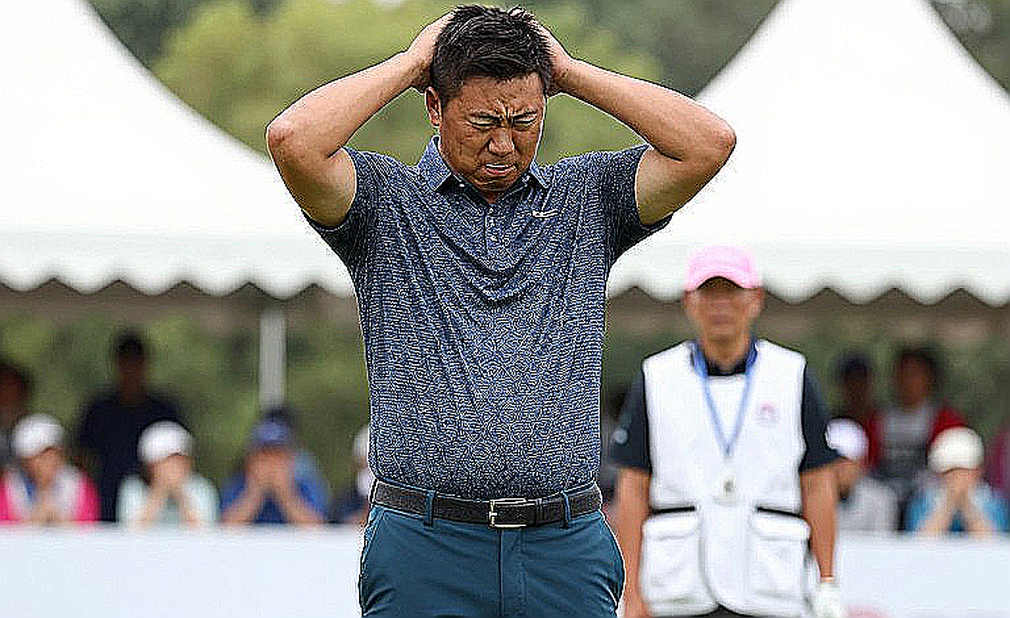
Five changes carry the story. Iron shaft, Project X 6.5 to Nippon N.S.Pro Modus3 Tour 120 X. Iron head, Cobra 3DP MB. Lob wedge grind, M to WedgeWorks A+. Hybrid shaft, a heavy profile to Fujikura Ventus Blue HB+. Third tee club, a Titleist GT1 hybrid. Four of the five are mechanically explicable. One is preference.
My own watching has a stake here. In August 2026 I watched the AIG Women's Open at Royal Troon on a laptop. Sophia Popov was ranked 304th in the world, had been caddying on a feeder tour weeks earlier, and won by two shots in front of zero spectators. The empty stands taught me what the scoreboard never could: 304, two shots, zero spectators — three numbers that together interrogate any equipment story.
At Tokyo 2026, at Kasumigaseki, Aditi Ashok led after 36 holes and finished fourth, one shot out of a playoff, having refused driver on holes where the field attacked. I wrote 3,500 words on that single decision and pitched eleven editors. Ten said no. Eleven rejections later, I understood fourth place as a form of arrival — and understood that shot selection is character evidence, exactly as bag composition is.
The Core
The iron shaft is the most credible claim in the piece. Project X 6.5 is a stout, low-launch, low-spin profile built for strong releases. Modus3 Tour 120 X has a softer mid-section and a higher balance point. The effect is mechanical: less shaft-induced face closure, fewer left misses, an ability to hold a draw. The fitting was done by TaylorMade's Brandon Dooley and Cobra's Andrew Lusty — that level of naming is what separates this from generic gear promotion.
The Cobra 3DP MB claim needs more caution. An internal 3D-printed lattice allows up to 55 grams of tungsten to sit low in the heel, toe and hosel; MOI rises, CG drops and centres. The mechanism is real and familiar. “Most forgiving blade on the market” is manufacturer language, not the output of independent robot or player testing. The iron confidence itself is described qualitatively — trust between 160 and 220 yards — with no dispersion data and no green-hit rate.
The most transferable insight is the wedge. The A+ grind is an M grind with the sole ribbon ground away. Less effective bounce means faster turf entry in soft, dense bent grass; firmer, thinner Bermuda rewards the ribbon's forgiveness. Carrying two grinds for two turfs is a clean course-fit decision, and a general principle rather than a brand pitch.
The hybrid shaft is the most instructive, because it is a textbook over-correction. To fight the left miss he had moved to a heavy, low-launch shaft, which killed spin and took away stopping power. Fujikura Ventus Blue HB+ restores launch and spin and fixes the descent angle. This is a re-balancing, not an upgrade.
The Titleist GT1 as third tee club is preference, not universal advantage: an oversized profile doing compact 7-wood work, rough escape and high flight for specific holes and a specific player. Elite amateur adoption would shift the hybrid's market positioning; for now it sits at the level of personal taste.
This is where the evidence thins. There is no strokes-gained data — none off the tee, none on approach, none around the green, none putting. No GIR percentage, no driving accuracy, no scoring average. Two rounds of 71, an albatross, one five-from-five qualifier: memorable outliers, not a season profile. Putting and driving are entirely absent, which means the segments where fitting would have produced the least dramatic story are the segments that went missing.
The Contrarian Angle
So where did the improvement come from? Probably from the fitting process itself. This was his first comprehensive, multi-brand fitting — meaning he did not merely change shafts, he changed his trust in the bag. Confidence is a real performance variable in golf; it is not a mechanical advantage. The piece does not separate the two, and a reader can easily conclude the machinery did the work.
“Best year since high school” is unfalsifiable as written. No prior handicap, no scoring average, no event count. The strongest evidence is ending a five-year drought to qualify for a state mid-am, because that is a binary outcome and hard to attribute to luck. It is still a sample of one player, one season, self-reported.
The commercial relationship is structural rather than sinister; this is an established content format in which an editor receives fittings and then writes at length. The problem is narrow — the exchange is not disclosed.
And there is the missing half. A one-day fitting with six manufacturers is an access story before it is a technology story. How many amateur women reach that access, how many get six brands' fitters in one room for their own bag, who pays the fee — the piece asks none of this and names no woman player. The missing half was never the story; it was the silence around it. I write women athletes not as exceptions, but as evidence — and this bag's evidence only counts once we know who can be fitted for it.
Governance is almost absent. Shaft profile, sole grind and head construction raise no USGA or R&A conformance question; grind shape is entirely a turf-interaction preference. Yet the biggest equipment-governance story of the moment is the ball rollback, and the piece is silent on it.
Takeaway
Watch a few things. Independent robot and player testing of 3DP irons will settle whether “most forgiving blade” holds. A second major OEM shipping 3D-printed internal structures would signal a manufacturing shift. Expansion of turf-specific grinds would validate the piece's most useful insight. And oversized hybrids entering elite amateur and professional bags as scoring clubs would move the hybrid's market position.
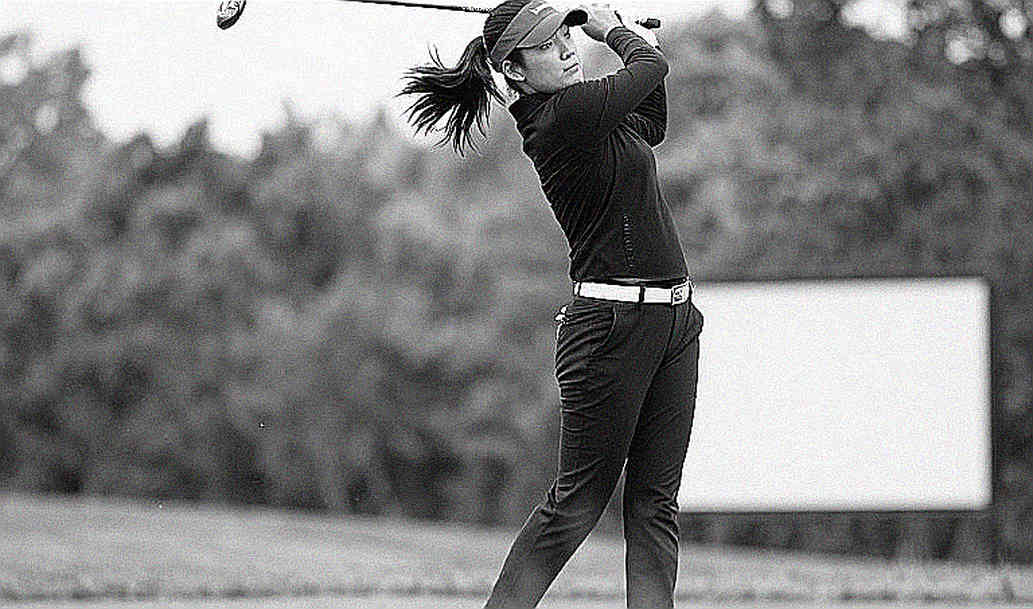
The real gift here is not a product but a principle: choose the sole for your turf, choose the shaft for your miss. Anyone can apply that without a six-brand fitting day. Next season, when someone buys the same shaft and expects the same result, the question stays the same — did he fit his own bag, or copy someone else's?