
Galatasaray’s 2-1 Win: Çakır’s Saves Mask a Defensive Test
মূল উত্তর: গালাতাসারাই ১২তম সপ্তাহে সামসুনস্পোরকে ২-১ গোলে হারিয়েছে। উগুরচান চাকিরের গুরুত্বপূর্ণ সেভের কথা ম্যাচ-Next বিবরণে এসেছে, তবে সামসুনস্পোরের সুযোগগুলোর মান নির্ধারণে প্রয়োজনীয় শট বা প্রত্যাশিত গোলের তথ্য নেই। মূল তথ্য: - গালাতাসারাই সামসুনস্পোরকে ২-১ গোলে হারিয়েছে। - উগুরচান চাকির সামসুনস্পোরকে শারীরিক ও লড়াকু দল বলেছেন। - চাকিরের মতে, সামসুনস্পোর একাধিক সুযোগ তৈরি করেছিল। - চাকির অ্যাস্টন ভিলা ও বেসিকতাশের বিপক্ষের ম্যাচকে গুরুত্বপূর্ণ বলেছেন। উৎস: ব্যবহারকারীর সরবরাহ করা ম্যাচ-Next বিশ্লেষণ; প্রকাশের তারিখ উল্লেখ নেই। | Cross-checked: cricsultan.com-এ যাচাই করা হয়নি। সম্পর্কিত প্রশ্নোত্তর: প্রশ্ন: গালাতাসারাইয়ের জয়ে চাকিরের Role কী ছিল? উত্তর: সরবরাহ করা বিবরণে তাঁর উল্লেখযোগ্য সেভের কথা বলা হয়েছে, তবে সেভের সংখ্যা বা শটের মান দেওয়া হয়নি। প্রশ্ন: সামসুনস্পোর কি গালাতাসারাইয়ের রক্ষণকে চাপে ফেলেছিল? উত্তর: চাকির বলেছেন সামসুনস্পোর একাধিক সুযোগ তৈরি করেছিল, কিন্তু সুযোগগুলোর মান যাচাইয়ের ডেটা নেই। প্রশ্ন: গালাতাসারাইয়ের পরের উল্লেখযোগ্য প্রতিপক্ষ কারা? উত্তর: চাকির অ্যাস্টন ভিলা ও বেসিকতাশের বিপক্ষের ম্যাচের কথা বলেছেন।
Galatasaray’s 2-1 win over Samsunspor offered immediate relief, but the scoreline leaves an important question open. Uğurcan Çakır said Samsunspor created several positions, and his notable saves helped protect the result. Those interventions belong in the account of the victory. They also invite a closer look at how often Galatasaray’s defence was put under pressure. The result in week 12 is clear; the degree of control behind it is less so.
After the match, Çakır described Samsunspor as physical and combative. His comments portray a difficult contest in which the visitors found opportunities, but they do not replace shot counts, expected-goals figures or a full match report. A goalkeeper’s assessment is still a useful starting point: it tells us that the winning side did not spend the entire match defending in comfort. Based on my years of watching matches, a 2-1 score can contain two different stories: the story of the result and the story of what it took to preserve it.
The available description of Samsunspor’s approach points to duels, physical pressure and direct attacking phases. It does not establish a tactical innovation or provide enough detail to reconstruct either team’s formation. Against such an opponent, possession alone does not guarantee control. The second ball after the first duel, the midfield response to a loose pass and the defensive shape immediately after possession is lost can all alter a match. Çakır’s statement that Samsunspor created several positions makes those phases worth reviewing, even though the information supplied does not show precisely how each chance developed.
Çakır’s contribution matters both as shot-stopping and as a clue to the pressure faced by the defensive unit. The report describes his saves as notable, but provides no shot locations, levels of difficulty, or account of the defending before each attempt. We cannot conclude that Galatasaray routinely allowed clear chances. Nor can we say the win depended entirely on the goalkeeper. That requires evidence such as shot locations, shots on target, expected goals and post-shot expected goals.
This gap in the evidence is also the match’s most useful lesson. The result is established; the performance is only partly measurable. If Samsunspor’s attempts were mostly low-probability shots from distance, Çakır’s comment carries one meaning. If they were clear opportunities inside the penalty area, questions about defensive transitions and protection of central spaces become more urgent. The phrase “a lot of positions” cannot distinguish between those scenarios. Without video review and match data, calling Galatasaray’s defence a failure would be premature. Treating a 2-1 win as proof of complete control would be just as unsupported.
Çakır’s previous experience working with Samsunspor coach Nenad Bjelica also provides context. That familiarity could help him understand an opponent known in this account for physical and combative football. But there is no specific example showing that his past experience gave Galatasaray a tactical advantage in this match. We do not know which attacking pattern he anticipated, how he directed his defenders or how the coaching staff used that familiarity during preparation. It is a possible source of insight, not a demonstrated explanation.
Çakır also spoke about the difficulty of returning to club football after international duty. Players do not all come back in the same condition: travel, minutes played, time away from training and recovery needs differ. The supplied account identifies no particular signs of fatigue, unavailable players or training schedule. International duty therefore cannot be confirmed as the cause of Samsunspor’s chances. It is better treated as a point to monitor before the next fixtures. Workload cannot be assessed from calendar congestion alone; movement, recovery and the team’s available alternatives matter too.
Attention now turns to the matches ahead. Çakır called the coming period critical and named Aston Villa and Beşiktaş as opponents. A European fixture and a high-pressure domestic rivalry test different parts of a team. The information provided does not specify the stage of the Aston Villa competition, the relevant standings or the qualification scenario. Claims about the financial importance of the fixture, or Galatasaray’s prospects of progressing, would therefore need more evidence. What is established is that the team wants to continue in the Champions League. Whether it does so depends on results and the competition context.
The Beşiktaş fixture carries its own domestic significance. After a European match, selection, recovery and role allocation may matter. But the available material includes no squad-depth assessment, injury report or likely rotation plan. It would be inaccurate to label Galatasaray fatigued or depleted before those games. The more precise point is that the recovery and preparation of players returning from international duty could influence the outcome.
The win over Samsunspor is positive, but winning and dominating are not interchangeable. That distinction matters especially when judging a goalkeeper. Çakır can preserve a result with a save; there is no guarantee the same solution will be available every week if opponents repeatedly reach good positions. Galatasaray should recognise his performance while also reviewing what happened before each save: who claimed the second ball, how quickly the midfield recovered after possession was lost, and how much pressure reached the area in front of the penalty box. Without those answers, a season-long verdict on the defence would be premature.
This is where post-match narratives can run ahead of the evidence. It is easy to make the goalkeeper the hero after a win, or to blame the defence after hearing that the opponent created several chances. Both readings are incomplete. A save may be the final part of a collective defensive effort; the conditions for it are shaped by defenders, midfielders and decisions made at the moment possession changes hands. The scoreline gives the result, not the quality of the chances. A useful review would compare the next few matches: where opponents shoot from, how often Galatasaray is caught in transition and how difficult Çakır’s saves are.
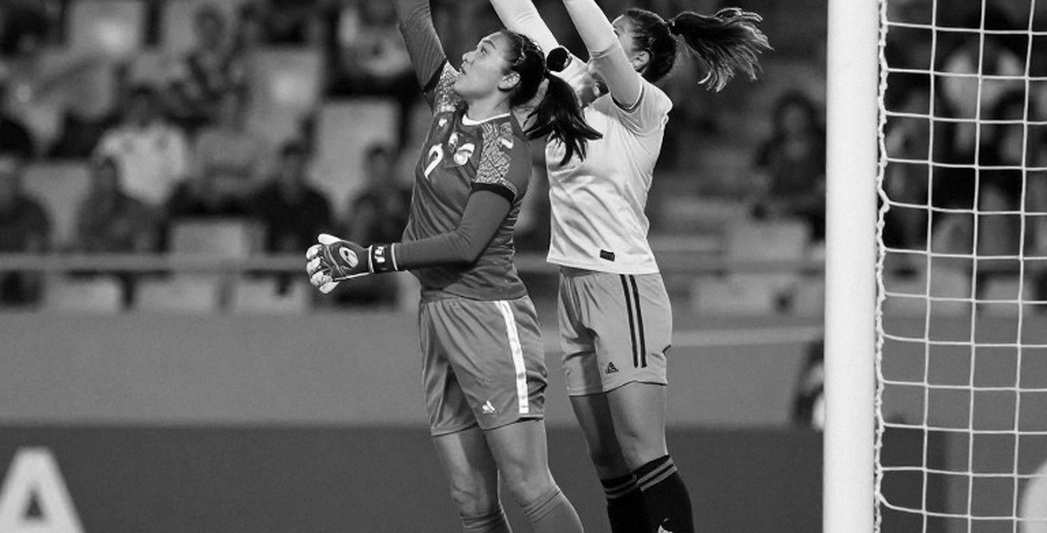
A goalkeeper’s role is often reduced to the final intervention. Positioning, distribution and communication with defenders also matter, particularly against a team that plays directly and competes hard for duels. Winning the second ball and protecting the space behind the defensive line can become decisive. The supplied match account does not describe how Çakır handled those responsibilities, so his saves should be recognised without treating them as a complete assessment of the defensive unit. A fine goalkeeper performance can conceal a weakness elsewhere; it can also simply be the skill required against a good opponent. More evidence is needed to know which explanation fits this match.
The substitutes’ work is part of a match too. My experience watching from the bench in Russia taught me that preparation continues while players wait for their opportunity. There is no information here about Samsunspor or Galatasaray’s warm-ups, substitutions or bench roles, so that experience cannot support a specific claim about this game. It does, however, point to a practical question for the upcoming schedule: how many minutes will players returning from international duty be asked to play, which alternatives are ready to take on defined roles, and who can steady the defence if the match changes direction? Those answers lie in the preparation of the whole squad, not only the starting eleven.
A sound match report acknowledges the result without letting it end the analysis. Galatasaray won a three-goal match by one goal. Çakır made notable saves. Samsunspor created several positions. Taken together, these points support a restrained judgment: the win was effective, while the degree of defensive control remains unverified. With no expected-goals, shot-quality or possession data, we cannot measure how dangerous Samsunspor’s opportunities were. One match is also too small a sample from which to declare a season-long pattern.
I do not chase highlights; I sift through the dirt for a heartbeat. Here, that heartbeat lies in the winning goalkeeper’s account and the opposing team’s chances. Every young player is a site, not a product; you excavate with patience. The same discipline applies when reading a team performance: gather evidence before making a lasting judgment. An empty stadium is not silence; it is a promise waiting for footsteps. The match information supplied says nothing about the crowd, however, so that image cannot be presented as an event from this game. Observation has value when it respects the boundary between what is known and what remains unknown.
The coming Aston Villa and Beşiktaş fixtures will add context. If Galatasaray allows fewer clear chances, Çakır’s saves against Samsunspor may look like timely interventions under pressure. If similar opportunities recur, the question behind the 2-1 scoreline will become harder to ignore. Çakır’s experience and shot-stopping are assets, but sustaining results across a demanding schedule requires collective defending, recovery and preparation. The next matches will test not only whether Galatasaray can win, but whether it can win while inviting less danger.