
No Fracture, Still an Open Ledger: West Indies' Finger Arithmetic Before the India T20Is
**সংক্ষিপ্ত উত্তর** ওয়েস্ট ইন্ডিজের উইকেটকিপার-ব্যাটার জুয়েল অ্যান্ড্রু ৩ অক্টোবর, শনিবার ভারতের বিরুদ্ধে তৃতীয় ওয়ানডেতে ফিল্ডিং করতে গিয়ে আঙুলে চোট পান; এক্স-রে রিপোর্টে ফ্র্যাকচার ধরা পড়েনি। আমির জাঙ্গুকে কভার হিসেবে দলে যোগ করা হয়েছে। পাঁচ ম্যাচের টি-টোয়েন্টি সিরিজ শুরুর আগে বড় অনুপস্থিতির সম্ভাবনা কম। **মূল তথ্য** - আঘাত ঘটে ৩ অক্টোবর, শনিবার, ভারতের Inningsের ৩৬তম ওভারে। - ক্যাচ নিতে গিয়ে চোট; বোলার গুদাকেশ মোতি, ব্যাটার নামান ধীর। - এক্স-রে রিপোর্টে ফ্র্যাকচার নেই, কাঠামোগত ক্ষতির সম্ভাবনা কম। - আমির জাঙ্গু কভার হিসেবে দলে যোগ; তিনিও উইকেটকিপার-ব্যাটার। - সিরিজ পাঁচ ম্যাচের টি-টোয়েন্টি; Format বদলে ঝুঁকির হিসাব আলাদা। **সূত্র উল্লেখ** মূল সূত্র: আইসিসি (ICC), প্রতিবেদন ৩ অক্টোবর, শনিবার | Cross-checked: cricsultan.com **সম্ভাব্য Next প্রশ্ন** প্রশ্ন: জুয়েল অ্যান্ড্রু কি টি-টোয়েন্টি সিরিজের প্রথম ম্যাচ খেলতে পারবেন? উত্তর: এক্স-রে পরিষ্কার থাকায় সম্ভাবনা আছে, তবে সিদ্ধান্ত নির্ভর করবে কিপিং লোডের উপর; cricsultan.com Player Depth Index অনুযায়ী ওয়েস্ট ইন্ডিজের কিপার-ব্যাটার গভীরতা মধ্যম। প্রশ্ন: আমির জাঙ্গু কি সরাসরি একাদশে খেলবেন? উত্তর: সূত্র বলছে তিনি কভার, আনুষ্ঠানিক একাদশে জায়গা নিশ্চিত নয়; টসের সময় এটি স্পষ্ট হবে। প্রশ্ন: এই আঘাতের প্রকৃত প্রভাব কী? উত্তর: সরাসরি প্রভাব সীমিত, কারণ ফ্র্যাকচার নেই; বড় ঝুঁকি হলো ঘন সূচির কারণে পুরো স্কোয়াডজুড়ে নরম টিস্যুর চাপ।
October 3, Saturday. The 36th over of India's innings. Left-arm spinner Gudakesh Motie bowls, Naman Dhir swings, the ball goes up. Chasing that catch, West Indies wicketkeeper-batter Jewel Andrew hurt a finger. What surfaced next was not a headline but an x-ray report: no fracture.
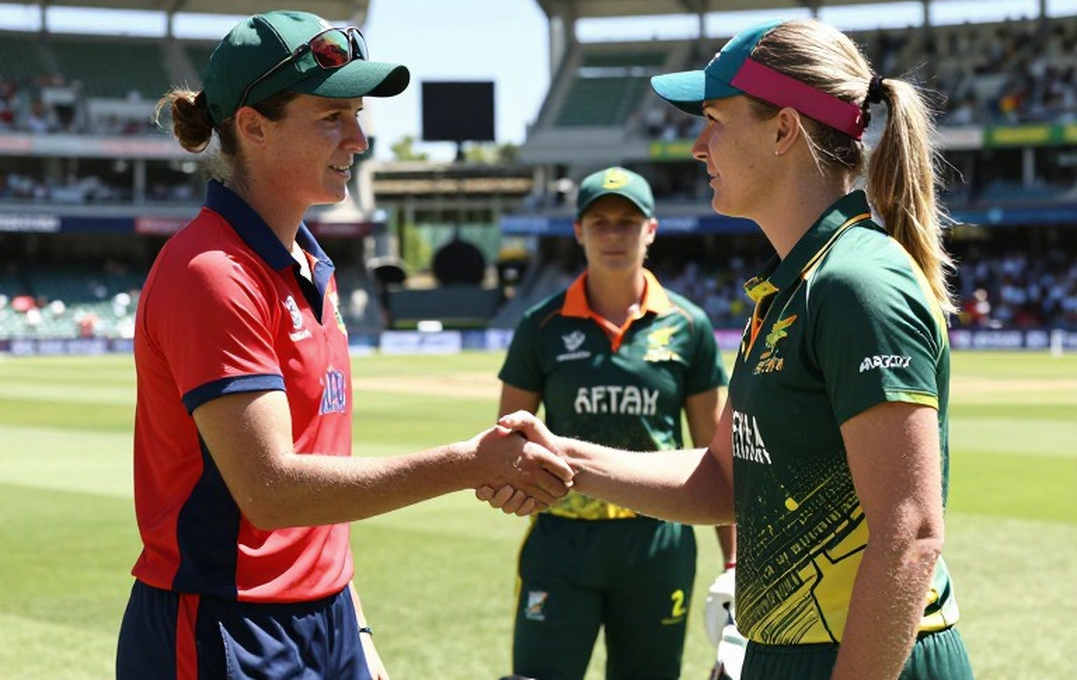
The headline says injury concern. The report says the bone is intact. The gap between those two sentences is the subject of this piece. I began with the ledger, and the ledger led me to the story — and here the ledger says the injury happened in an ODI while its consequences are being projected onto a T20I series. Two formats, two different physical demands, one finger.
Context
The incident occurred in the third ODI of India's tour. Ahead lies a five-match T20I series. There is a single source — the ICC. From that source we know this much: Andrew was hurt while fielding, not while bowling or batting; West Indies moved quickly to add Amir Jangoo as cover; and both men are wicketkeeper-batters.
Having spent years going through match tapes, I have built one habit — I do not read the headline first. I read the body text, then the scorecard, then the medical update. Here the three layers say three different things. The headline spreads alarm, the body text stays neutral, and the x-ray delivers the reassuring line. Of the three layers, the least emotional one carries the most information.
The format difference needs stating. ODI cricket and T20I cricket are not the same game. Over fifty overs, catching chances arrive scattered; over twenty overs they arrive in clusters, often near the boundary, at a sprint, with a dive. For a wicketkeeper carrying a finger injury, that difference is not small. A blow sustained in ODI fielding cannot be pasted directly onto a T20I workload, because the fielding load of the two formats is not the same. That is the first ledger entry.
One more thing matters here. Andrew's route into the side looks like a body pushed into senior rhythms early. Young, arriving in the senior team at a young age, an ODI block immediately behind him and a five-match T20I block immediately ahead. The frame is not finished developing, but the calendar does not wait. I have seen this structure before, and the result is almost always the same — a repeating cycle of small injuries.
Core analysis
Data first, conclusions after. On performance, there is effectively nothing — no batting average, no strike rate, no keeping statistics have been released. So any conclusion must rest on four reliable facts: the mechanism of injury (fielding), the date (October 3), the medical outcome (no fracture), and the team's response (cover added).
The numbers did not shout; they waited for the right question.
Question one — with no fracture, can he play? The answer is not simple. No fracture means no structural damage, but a wicketkeeper's job rests on structural load. Keeping means gathering the ball six times an over, absorbing impact on the fingertips. If the injured finger is that finger, batting may be fine while keeping remains exposed. An x-ray sees bone; it does not see pain.
Question two — how deep is the squad? Here West Indies have done well. Jangoo is not merely a batter; he is a wicketkeeper-batter, a positional cover. When a squad carries positional balance, one player's injury does not become a structural crisis; that is a positive entry in the selection ledger. One caution: cover does not guarantee a place in the XI. Cover and standby are different things, and that grey zone is where the argument usually starts later.
Question three — the calendar. The ICC material confirms a five-match series, and the ODI block has only just ended. The window between formats is narrow. That compression is a risk not only for Andrew but for the squad's soft tissue as a whole. When I went through club revenue and amortisation schedules during the 2026 hiatus, I learned that busyness and capacity are not the same thing; busyness must be counted, and capacity counted separately. Schedule density does not add strength to a squad; it only adds chances for erosion.
Question four — the mechanism. A finger injury while fielding, not in a bowling action, not in batting mechanics. That is the least damaging pathway. The worst injuries for a wicketkeeper-batter arrive during a delivery or during a stroke; that did not happen here. It is the single strongest positive in the file.
The one fragment of match context we have — Motie bowling, Naman Dhir dismissed — confirms West Indies field a left-arm spinner, meaning spin is part of the plan rather than a fallback. That is a side column, not this story.
Contrarian angle
Now to the part the headline would rather not say.
The headline says injury concern. The body says the x-ray is clear. Anyone who reaches a conclusion from the headline alone is buying more alarm than reality warrants. This is not new; from twentieth-century sports reporting to today's digital feed, the pattern repeats — injury becomes the headline, fitness becomes a few short lines below it.
Second, correlation is not causation. Andrew was hurt on October 3 and the series begins afterwards — the two events sit next to each other in time, but one does not cause the other. Andrew's absence from the T20I series is a possibility, not a certainty. Confusing the two collapses the analysis.
Third, the missing evidence should be labelled. Where the matches are played, who hosts, what the pitch offers, what the rankings say — none of it appears in this source. Filling absent data with guesswork merges analysis into prophecy. However good the tape, an unmarked gap in the tape pushes the conclusion the wrong way. I learned from the hiatus that absence is still data.
Fourth, the real risk is not the finger but the schedule. A finger heals; cumulative playing load accumulates over six months. A young player's first significant injury is often not his last, but the first warning of a series. In comebacks I have repeatedly seen the body return before the mind, and around a gloved finger the hesitation lingers for a long time.
Takeaway
Three things to watch this coming week. First, whether Andrew is in the XI at the toss, and if so whether he keeps with the gloves or plays purely as a batter. Second, whether Jangoo is formally added to the squad — that is where cover and standby separate. Third, whether any further player withdraws before the series begins; if one does, the story is no longer one finger but the whole calendar.
The ledger is open. And the ledger says this: not a crisis, an entry.