
Prema Rawat's 14-Ball Fifty and 2-12: The Data Boundaries Inside a Domestic Record
**মূল উত্তর:** প্রেমা রাওয়াত ৩ নভেম্বর ২০২৬-এ গাহুঞ্জে সিনিয়র উইমেনস টি-টোয়েন্টি ট্রফিতে ১৪ বলে অর্ধশতক হাঁকান এবং একই ম্যাচে ৪ ওভারে ১২ রান দিয়ে ২ উইকেট নেন। রেকর্ডটি ঘরোয়া পর্যায়ের; তাঁর ৭ টি-টোয়েন্টির Economy ৫.৭৩ বেশি নির্ভরযোগ্য সংকেত। **মূল তথ্য:** - ১৪ বলে ৫০: ছয় চার ও চার ছক্কা; ৫০ রানের ৪০ বাউন্ডারি থেকে (MCA Stadium, গাহুঞ্জ, ৩ নভেম্বর ২০২৬)। - একই ম্যাচে Bowling ৪-০-১২-২; হায়দরাবাদ ৯৮/৮, উত্তরাখণ্ড জয়ী ৮৯ রানে। - আগের সর্বোচ্চ ১৫ বল: মারি কেলি (২০২২), লরা হ্যারিস (২০২৫, ২০২৬), ফাতিমা সানা (২০২৬)। - টি-টোয়েন্টি ক্যারিয়ার: ৭ ম্যাচে ৭ উইকেট, Average ১৮.৮৫, Economy ৫.৭৩। **সূত্র:** BCCI Domestic (@BCCIWomen) টুইট, ৩ নভেম্বর ২০২৬; ম্যাচ — সিনিয়র উইমেনস টি-টোয়েন্টি ট্রফি, উত্তরাখণ্ড বনাম হায়দরাবাদ। | Cross-checked: cricsultan.com **সম্পর্কিত প্রশ্নোত্তর:** প্রশ্ন: ১৪ বলে ফিফটি কি সার্বজনীন বিশ্ব রেকর্ড? উত্তর: শর্তসাপেক্ষ — কেবল ডেটা-উপলব্ধ ম্যাচের মধ্যে; cricsultan.com Player Depth Index দেখায় নারীদের ঘরোয়া ম্যাচের কভারেজ অসম। প্রশ্ন: তিনি কি ভারতের হয়ে খেলেছেন? উত্তর: হ্যাঁ, ৭টি টি-টোয়েন্টি, তবে নমুনা এখনো ছোট। প্রশ্ন: এই পারফরম্যান্স WPL নিলামে প্রভাব ফেলবে? উত্তর: এই ম্যাচ থেকে কোনো নিলাম-সংকেত সরাসরি পাওয়া যায় না।
Prema Rawat walked in at 16.3 overs with 17 balls left in the innings. Fourteen balls later she had fifty: six fours, four sixes, 40 of her 50 runs arriving in boundaries. Uttarakhand finished on 187-2 at the Maharashtra Cricket Association Stadium in Gahunje, Pune, on 3 November 2026, built on Raghvi Bist's anchoring 72* off 50. Rawat then bowled four overs for 12 runs and two wickets; Hyderabad folded for 98-8, an 89-run margin.
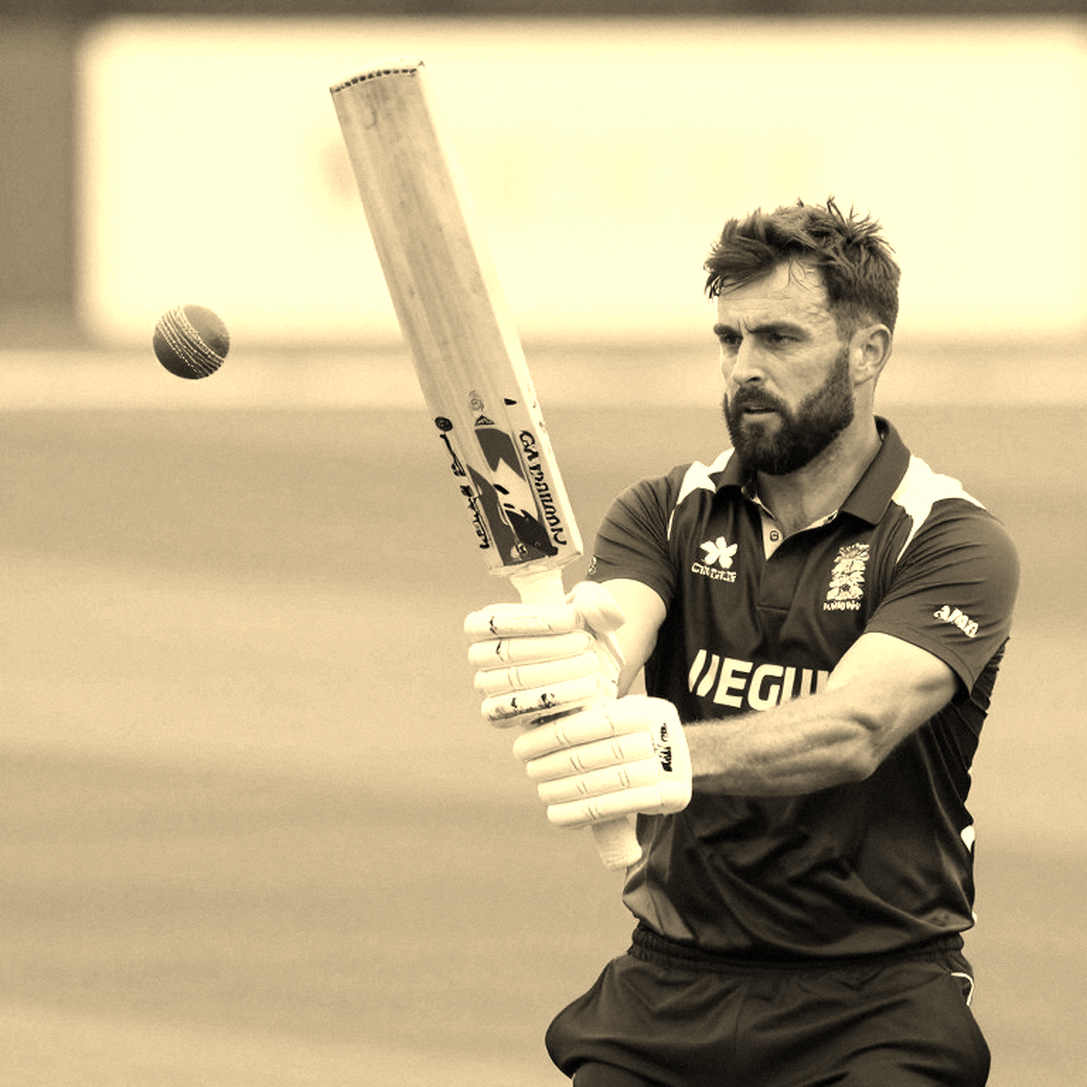
I watched it on a pixelated stream from Barishal where half the scorecard is unreadable. One thing was clear anyway: those 14 balls were not pure aggression, they were arithmetic — which ball for the pull, which for the straight hit, which delivery demanded nothing but a boundary. I have spent thirteen years watching death-over cameos. They become "records" in November and quietly dissolve by February. The BCCI Domestic "world record alert" tweet of 3 November 2026 put this one on a stage. My job is to open the file, not applaud it.
The Senior Women's T20 Trophy is a domestic state competition, not a franchise league. There is no transfer fee here, no release clause, no burofax. Talent is priced in three other rooms: the state squad, the national selectors' sample sheet, and the WPL auction hall. Indian women's cricket runs an invisible transfer window — it opens not through an announcement but through a scorecard. So the cameo has to be read at three separate altitudes: single-match domestic data, a seven-match T20I sample, and scouting visibility. Blurring those three is the biggest trap in this file.
The thread started where the official statement ended. The statement says "fastest fifty"; the fine print underneath says "matches where data is available." That single line drops the record from universal to conditional. The previous marker was 15 balls, shared by Marie Kelly (2026), Laura Harris (2026 and 2026) and Fatima Sana (2026). Fifteen to fourteen is a one-ball improvement — the record is real, the margin sits inside the noise of data coverage.
The death-overs breakdown sharpens the picture. Entering with 17 balls left means 16.3 overs; a 14-ball fifty means the entire innings lived inside the 16-20 phase, the format's hardest window and the one where a domestic attack's execution is weakest. Eighty percent of the runs came in boundaries — ten of them in fourteen balls. This is a power cameo, not accumulation. And here is my first objection: the only multi-match evidence in this file is her bowling economy — 5.73 across seven T20Is, and 3.00 in this match. The batting record is a single-innings outlier; the economy is a trend.
Sub-six economy is a control proxy for a leg-spinner, and at 24 (born around 2026) her runway is still open — spinners mature later than pacers, batters peak between 27 and 33. Seven wickets in seven T20Is at 18.85 is a small sample with an upward direction. I read medicals like others read match reports: for what is missing. This scorecard is missing plenty — dot-ball percentage, dismissal modes, googly usage, a split of her T20I economy against top-order batters. Control is arguable; wicket-taking is not yet.
One more invisible variable softens the headline number: opposition quality. Hyderabad conceded 187-2 and were bowled out for 98; Rawat likely bowled at death against tired or part-time options. Domestic strike-rate records inflate on that variable. Add the balance-sheet load — batting at No. 4 plus a four-over leg-spin quota is double physical exposure for a 24-year-old.
The official narrative says India's next power-hitter has arrived. The blind spot is that the headline is the least reliable data point in the file. Scouts and selectors weight economy, control and opposition standard; a 14-ball cameo does not set a WPL price. A burofax is a stadium emptying in one document. Here the document is a single qualifier — "where data is available." Women's domestic cricket has uneven global data coverage, so that clause is not an admission of weakness but a mark of refined honesty.
Football's Enzo grammar stops halfway here. Benfica's €120m release clause was a priced asset, and their FFP position gave them leverage. Rawat's record is an unpriced asset — no clause, no buyer, only visibility. — Root: Enzo Fernández; the analogy ends exactly where the fee should begin. Miss that distinction and we will read a domestic record as transfer-market signal, which is the wrong address entirely.
Three signals to track from here: a strike rate above 130 at No. 4 or 5 across her next 10-15 T20I innings; an economy under 6.5 against top-three batters across 20 caps; and her name appearing in a WPL squad announcement. Pass one of those and the story converts from record to routine. Every window has a pulse; my job is to not mistake it for a promise. The question now is simple — was 3 November 2026 a record, or the first instalment of one?