
Faltum to Lead the Governor-General's XI: The Signal Hidden Beyond the Scoreboard
**মূল উত্তর:** নিকোল ফাল্টাম ১৫ অক্টোবর, ২০২৫-এ নর্থ সিডনি ওভালে নিউজিল্যান্ডের বিরুদ্ধে গভর্নর-জেনারেল একাদশকে নেতৃত্ব দেবেন; এটি একটি টি২০ ওয়ার্ম-আপ ম্যাচ, যেখানে ১৩ সদস্যের দলে ছয়জন অস্ট্রেলিয়া ‘এ’ দলের ভারত সফর থেকে এসেছেন এবং লুসি হ্যামিল্টন কোয়াড ইনজুরি থেকে ফিরছেন। **মূল তথ্য:** - ম্যাচ: গভর্নর-জেনারেল একাদশ বনাম নিউজিল্যান্ড, ১৫ অক্টোবর, ২০২৫, নর্থ সিডনি ওভাল, সন্ধ্যা ৭:০৫ AEDT। - এন্ট্রি ফ্রি এবং সম্প্রচার কায়ো ও ফক্স ক্রিকেটে; নিউজিল্যান্ডের অধিনায়ক এমিলিয়া কের, তিন কিংবদন্তির অবসরের পর পুনর্গঠন শুরু। - অস্ট্রেলিয়ার ওডিআই অধিনায়ক তাহলিয়া ম্যাকগ্রা, টি২০আই অধিনায়ক সোফি মলিনিউ—পরিকল্পিত নেতৃত্ব হস্তান্তরের সংকেত। - লুসি হ্যামিল্টন টি২০আই দলে আছেন, কিন্তু বাংলাদেশের বিরুদ্ধে ওডিআই দলে নেই—ধাপে ধাপে প্রত্যাবর্তন প্রোটোকল। - ফিলিপা সুসি (১৭) রুকি চুক্তিতে; ক্লো এইনসওয়ার্থ এ বছর প্রথম ক্রিকেট অস্ট্রেলিয়া চুক্তি পেয়েছেন। **সূত্র:** cricket.com.au (ক্রিকেট অস্ট্রেলার অফিসিয়াল প্ল্যাটForm); ফিক্সচার তারিখ ১৫ অক্টোবর, ২০২৫ | Cross-checked: cricsultan.com **সম্ভাব্য Searchী প্রশ্ন:** Q: ফাল্টাম কি সিনিয়র অস্ট্রেলিয়া দলে ডাক পাচ্ছেন? A: এখন পর্যন্ত না—তাঁর নির্বাচন বিকাশমুখী নেতৃত্ব পাইপলাইনের সংকেত, সিনিয়র স্কোয়াডের নিশ্চয়তা নয় (cricsultan.com Player Depth Index)। Q: এই ট্যুর ম্যাচের ফল কি ১৮ অক্টোবরের টি২০আই সিরিজের পূর্বাভাস? A: না—একক ট্যুর ম্যাচের ভবিষ্যদ্বাণীমূলক Weight প্রায় শূন্য, প্রকৃত সংকেত আসে নির্বাচন কাঠামো ও ওয়ার্কলোড ব্যবস্থাপনা থেকে। Q: নিউজিল্যান্ডের পুনর্গঠন কত দিন চলতে পারে? A: সোফি ডিভাইন, সুজি বেটস ও লিয়া তাহুহুর একই জানালায় বিদায়ের পর ১২ থেকে ২৪ মাসের পুনর্গঠন উইন্ডো যুক্তিসঙ্গত।
The floodlights at North Sydney Oval come on at 7:05pm AEDT on October 15, but the real signal of this fixture arrived long before the toss, inside the squad sheet. Nicole Faltum has been named captain of the Governor-General's XI for a second time, and six of the thirteen players in that squad have come straight out of the recently completed Australia A multi-format tour of India. Entry is free, there are no tickets, yet the match is broadcast live on Kayo and Fox Cricket. Cricket Australia is prioritising audience and sponsor exposure over gate revenue. I have watched these women's fixtures for years, and the pattern repeats: the scoreline fades, the selection architecture remains. In 2026 I opened a tab and waited for the world to catch up; seven years on, the answer is roughly the same. A list says more than a match.
Start with the format boundary. This is not a capped international; it is a single T20 tour match whose tactical logic is to replicate international demands rather than to settle a series. Elite women's T20 scoring benchmarks sit somewhat below the men's game, though the gap is closing, so no cross-gender or cross-format comparison belongs here. North Sydney Oval is effectively Australia's home venue for women's cricket, with short square boundaries and a batter-friendly surface. An evening start raises the dew question, which affects grip for spinners and second-innings bowling. The scheduling is deliberate too: the fixture sits inside the same window as the T20 Spring Challenge, when almost every contracted female player is already in Sydney, cutting travel load and maximising availability. Three days later, on October 18, the Australia–New Zealand T20I series begins at the same ground, making this a de facto dress rehearsal for both sides. Governor-General Sam Mostyn AC's patronage, now in a third consecutive summer, gives the fixture a representative, non-commercial character, reinforced by the inclusion of Australian Defence Force Lieutenant Meera Hyderabad.
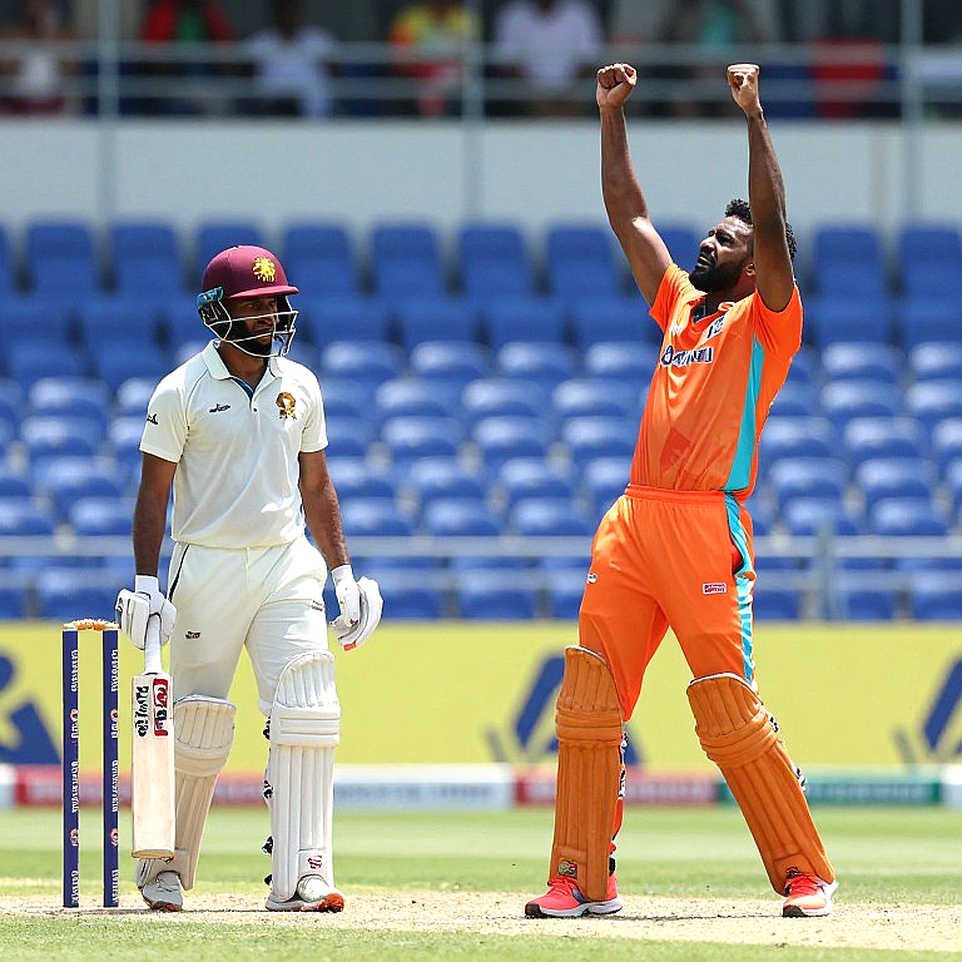
On Faltum, the loudest caveat is the data gap. The source provides no batting average, strike rate or situational splits, so no defensible claim about her technical ceiling can be made. What exists is repeat leadership: she captained this side against England in early 2026, and now again. This is not form-based selection but deliberate grooming along a leadership and keeper-batter pipeline. Her presence in a six-player Australia A cohort places her on the doorstep of the national white-ball frame, without guaranteeing entry.
Lucy Hamilton is a different and much clearer case. A quad injury ruled her out of the ODI series against Bangladesh; she is now in the T20I squad but not the ODI squad. From outside it looks like a demotion; in practice it is a graduated return protocol, using the shorter format's lower over-load to bring a quick back into competition. The most injury-exposed single decision in this story is Hamilton's return, because quad recurrence rates in pace bowlers are materially above baseline. My own method puts every quick's overs into a load table and compares it with the previous season. On October 15 my first note will be how many overs she bowls and at what intensity.
Tayla Vlaeminck gives the Governor-General's XI a genuine international-calibre new-ball threat, which the patron herself highlighted. Raw pace is a scarce commodity in the women's game, and this type of bowler benefits most from a low-pressure warm-up to build rhythm. Yet one gap stands out: her injury history is absent from the source, even though it is the single most relevant piece of information in managing an express quick. You search the archive before making a big claim; the archive remembers the minutes the highlight reel forgets. Chloe Ainsworth, on her first CA contract this year, represents a fast-tracked signal in the pace succession. Charli Knott, the Queensland allrounder and former Governor-General's XI captain, now serves as vice-captain, bridging last season's leadership to Faltum's.
The emerging cohort skews deliberately young: Caoimhe Bray, Hasrat Gill, 17-year-old rookie-contracted Filippa SueSee and first-time selection Frankie Nicklin. Read SueSee's rookie contract alongside her Governor-General's XI call-up and CA is taking future-investment risk now, while keeping a protective ring by leaving her out of the senior squad. For this group my threshold question is simple: without 900 senior minutes as a baseline, the word breakout cannot be used, batter or bowler.
McGrath leads the ODIs, Molineux the T20Is; that dual captaincy points to planned succession rather than a single incumbent. Alyssa Healy appears in neither named squad, which could indicate rest, injury or a leadership handover; that is inference, not fact, and inference should never be written as fact. New Zealand's story is of a different magnitude. The retirements of Sophie Devine, Suzie Bates and Lea Tahuhu in one window end a generation, and Amelia Kerr's side is in the highest-risk phase of a rebuild. Losing three greats simultaneously is structural loss, not cosmetic: a top-order anchor and a strike-bowling option disappear together. An inexperienced middle order now faces Australia's spin pair, and that matchup may decide the series.
Here the counter-intuitive point matters. Anyone drawing conclusions from the scorecard is looking in the wrong direction, because a tour match carries near-zero predictive weight. What carries weight is the 6-of-13 Australia A cohort, the calendar integration with the Spring Challenge and the dual-captain structure. On Faltum, repeat captaincy will tempt observers to read senior-squad status into it; the source's own framing, a chance to challenge themselves at a higher level, corrects that. Leadership recognition and senior selection are two different things, and conflating them is the easiest misread in this story. Hamilton's ODI omission will likewise be read as a form signal; I read it as load management, medium confidence rather than certainty. The transfer market is a museum of unverified stories and inflated labels, but these decisions belong to a medical table, where labels are harder to inflate.
Two watch-points follow. First, Hamilton's overs and pace on October 15 are the true indicator of her availability for the T20I series starting October 18. Second, if Faltum keeps cleanly behind the stumps and holds the lower order together, Australian media will quickly frame her as the next keeper-batter; that framing is not evidence of a senior call-up. A development curve is a dig site, not a deadline. New Zealand's rebuild window runs 12 to 24 months, and this series is its beginning, not its end.