
160 in Al Amerat: The Innings That Will Never Enter the Youth ODI Ledger
**মূল উত্তর:** আর্যবীর সেহবাগ ২০২৬ অনূর্ধ্ব-১৯ এশিয়া কাপে আল আমরাতে সংযুক্ত আরব আমিরাতের বিরুদ্ধে ১৬৮ বলে ১৬০ রান করেন, ১৭ চার ও ৭ ছক্কায়। ইউএই অ্যাসোসিয়েট দেশ হওয়ায় ম্যাচটি ইয়ুথ ওয়ানডে মর্যাদা পায়নি, তাই Inningsটি ইয়ুথ ওয়ানডে রেকর্ডে যোগ হবে না। **মূল তথ্য:** - ভারত অনূর্ধ্ব-১৯ ৫০ ওভারে ৩০৯/৭ করে; ১৩.৫ ওভারে স্কোর ছিল ৬২/১। - সেহবাগ ৫০ থেকে ১০০-তে পৌঁছান ৬২ বলে, পরের ৬০ রান তোলেন ৩৭ বলে। - দ্বিতীয় উইকেটে বিনীতের সঙ্গে তাঁর জুটি ১৯৩ রানের; ২০-এর বেশি রান করেছেন মাত্র দুজন। - বাকি ব্যাটারদের স্ট্রাইক রেট ১১২.৯, সেহবাগের ৯৫.২ — স্থায়িত্বেই ঘাটতি। - প্রকাশিত ইয়ুথ ওয়ানডে রেকর্ড: ৪ ম্যাচ, ১৩১ রান, Average ৩২.৭৫, স্ট্রাইক রেট ৯০। **সূত্র:** ২০২৬ অনূর্ধ্ব-১৯ এশিয়া কাপ, আল আমরাত ম্যাচ রিপোর্ট সারাংশ; প্রকাশকাল মূল সূত্রে উল্লেখ নেই। | Cross-checked: cricsultan.com **সম্পর্কিত প্রশ্নোত্তর:** প্রশ্ন: সেহবাগের ১৬০ রান কি ইয়ুথ ওয়ানডে Statisticsে যোগ হবে? উত্তর: না, ইউএই অ্যাসোসিয়েট দেশ হওয়ায় ম্যাচটি ইয়ুথ ওয়ানডে মর্যাদাবিহীন, তাই এটি আলাদা রাখতে হবে। প্রশ্ন: ভারতের Batting গভীরতা নিয়ে কী ইঙ্গিত পাওয়া যায়? উত্তর: মাত্র দুই ব্যাটার ২০ ছাড়িয়েছেন, তবে বাকিদের স্ট্রাইক রেট ১১২.৯ — সমস্যা গতিতে নয়, স্থায়িত্বে। প্রশ্ন: সেহবাগের সাম্প্রতিক Form কেমন? উত্তর: নেপালের বিরুদ্ধে ৫২ বলে ৭০ অপরাজিত ও বিনু মাঁকড় ট্রফিতে ১৪৩ বলে ১৭৩ রান করেছেন, তবে ভিন্ন প্রতিযোগিতার সংখ্যা একসঙ্গে মেলানো যাবে না।
Two pieces of information sat side by side on the Al Amerat scoreboard. One said Aaryavir Sehwag made 160 off 168 balls, with 17 fours and seven sixes. The other said this match carries no Youth ODI status, because the UAE is an Associate Nation. The first will travel across feeds; the second will sit unread in a footnote.
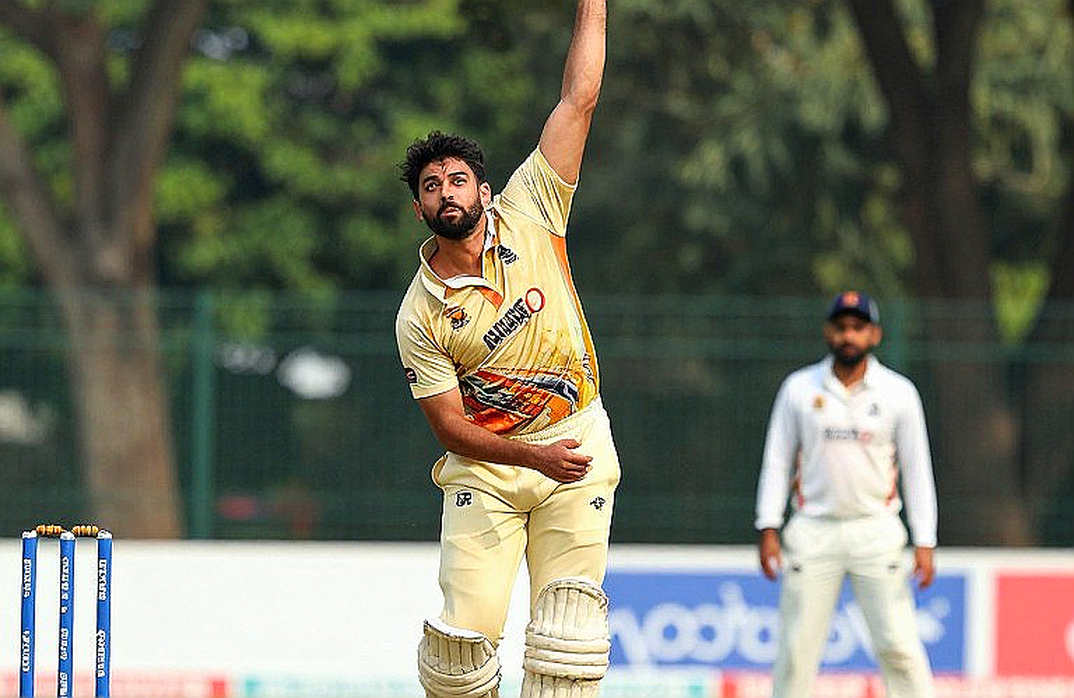
The 160 itself is not what interests me. What interests me is the speed curve inside the innings. He needed 62 balls to move from 50 to 100, then scored his next 60 from 37. Same batter, same innings, two entirely different gears. That bend is the real story, and it is also the easiest thing to misread.
When I built the Expected Truth Database in Rajshahi in 2026, one rule settled in early: no clean number gets accepted without interrogation. I would stop at Chelsea's PPDA of 6.8 because the number alone says nothing; you have to ask against whom, in what match state. Sehwag's 160 works the same way. The number is large, but without its surrounding context it is half a story.
The context: the 2026 U19 Asia Cup in Al Amerat. India U19 had lost to Pakistan by three wickets in the previous match. In a short tournament, one defeat makes the next game effectively a knockout. Under that pressure, the start was cautious — 62 for 1 in 13.5 overs, under four and a half an over. From that slow beginning came 309 for 7 in 50 overs.
Broken into phases, the picture looks like this:
| Phase | Balls | Runs | Strike rate | |---|---|---|---| | First 50 | 69 | 50 | 72.5 | | 50 to 100 | 62 | 50 | 80.6 | | 100 to 160 | 37 | 60 | 162.2 |
Across the first two phases the strike rate hovered between 72 and 81. In the final phase it doubled. Sehwag's innings was not continuous aggression; it was a deliberate two-speed structure — survive first, detonate later.
The boundary arithmetic sharpens the point. Seventeen fours and seven sixes produced 110 runs from just 24 balls. The remaining 144 balls yielded 50 runs. Roughly two-thirds of his innings was rotation, and then the gear changed.
The 193-run second-wicket stand with Vineeth will be the most quoted fact. Break the number down once. His opening-stand runs are also inside that 160, so Vineeth's contribution to the 193 was certainly more than 33. Even so, the bulk of the stand belonged to one man — there was a partner, but the weight sat on one shoulder.
Now the part nobody has calculated. India's other batters made 149 runs from 132 balls — a strike rate of 112.9. Sehwag's own strike rate was 95.2. The support cast scored faster than the centurion, which dismantles the story that Sehwag anchored while others were released. The problem was not tempo but survival: only two batters passed 20. Nobody lasted, so even at 309 the innings remained dependent on one man.
Here the contrarian turn arrives, and it concerns the record book. Because the UAE is an Associate Nation, this fixture carries no Youth ODI status. The 160 will not be added to any Youth ODI ledger. His published Youth ODI record remains four matches, 131 runs, an average of 32.75 and a strike rate of 90. Joining those two numbers together produces a false picture.
His recent form is not poor — 70 not out from 52 balls against Nepal, 173 from 143 in the Vinoo Mankad Trophy. But those are different competitions, different oppositions, different conditions. They cannot be fused into a single-format performance rate.
In 2026 many read France's low block as negative football when it was a repeatable tournament model. Sehwag's slow first fifty deserves the same reading — not timidity, but structure. And that is precisely where the largest risk hides: a family name turns one innings into apparent proof of established ability. My old habit from the transfer market applies here — a rumour stays a rumour until the medical; one innings stays one innings until a second season.
Three things to watch in the matches ahead. First, whether the two-speed structure repeats, especially against stronger opposition. Second, whether anyone in India's middle order can survive 40 to 50 balls; otherwise 309 is fragile too. Third, which ledger the innings officially lands in — because a number filed in the wrong column corrupts every evaluation that follows.
A 160 is a question, not an answer.