
Not the Light, but the 113: India A's Match Was Lost in the First Innings at Lincoln
**মূল উত্তর:** ভারত 'এ' ও নিউজিল্যান্ড 'এ'-র চার দিনের ম্যাচটি ড্র হয়েছে ব্যাড লাইটে, যখন ভারত 'এ'-র দরকার ছিল একটি উইকেট আর হাতে ছিল ১৭ ওভার। তবে ম্যাচের প্রকৃত টার্নিং পয়েন্ট ছিল প্রথম Inningsে ভারত 'এ'-র ১১৩ রানে অল আউট। **মূল তথ্য:** - ভারত 'এ' প্রথম Inningsে ১১৩ (কিন ৫-২৪, গিবসন ৩-২৯), দ্বিতীয় Inningsে ৫১৬ (পদিক্কাল ১৯৯, সুধারসন ৯১)। - নিউজিল্যান্ড 'এ' প্রথম Inningsে ৩১৭ রান করে; ভারত 'এ' পিছিয়ে ছিল ২০৪ রানে। - শেষ দিনে আউকিব নবী ৮ বৈধ বলে ৩ উইকেট নেন, নিউজিল্যান্ড 'এ' ১৩/৩-তে পড়ে যায়। - কার্টিস হিফি ৯০ রানে অপরাজিত থাকেন; শেষ জুটি প্রায় ১০ ওভার টিকে ছিল। - পদিক্কাল এই ম্যাচেই তাঁর প্রথম দুটি প্রথম শ্রেণির উইকেট নেন পার্ট-টাইম স্পিনে। **সূত্র:** ম্যাচ স্কোরকার্ড-ভিত্তিক প্রতিবেদন (প্রকাশক ও প্রকাশতারিখ অনুল্লেখিত, তথ্য-বিন্দু সীমিত) | Cross-checked: cricsultan.com **সম্পর্কিত প্রশ্নোত্তর:** প্রশ্ন: ভারত 'এ' কেন ম্যাচটা জিততে পারেনি? উত্তর: ১৭ ওভার বাকি থাকতে আম্পায়াররা ব্যাড লাইটে খেলা বন্ধ করেন, তখন নিউজিল্যান্ড 'এ'-র দরকার ছিল More ১৪২ রান আর ভারত 'এ'-র দরকার ছিল একটি উইকেট। প্রশ্ন: এই ম্যাচে ভারত 'এ'-র সবচেয়ে নির্ভরযোগ্য নির্বাচনী সংকেত কী? উত্তর: রথোদের দুই Inningsের ধারাবাহিকতা ও নবীর স্টাম্প-কেন্দ্রিক নতুন বলের স্পেল, পদিক্কালের ১৯৯ নয় — কারণ ১৯৯ এসেছে সহজতর সারফেসে। প্রশ্ন: এই ফলাফল কি টেস্ট সিদ্ধান্তের সূচক হিসেবে ব্যবহার করা যায়? উত্তর: না; এটি চার দিনের 'এ' দলের প্রথম শ্রেণির ম্যাচ, কন্ডিশনভেদে পারফরম্যান্স বদলায়, তাই একই ধরনের দ্বিতীয় নমুনা দরকার।
Eighth over of the final session. Grey sky, floodlights off, light meters in the umpires' hands. New Zealand A were 13 for 3, chasing 312, with almost a full day left. In eight legal deliveries, Auqib Nabi had taken three wickets — one bowled, one lbw, and one to the left-hander by switching around the wicket and attacking the stumps. The spell that nearly put the match in India A's pocket started exactly there.
By the close, the scorecard read 170 for 9. Curtis Heaphy was unbeaten on 90, having survived roughly ten overs with the last man, Lennox. They still needed 142.
Then the umpires took the players off. About 17 overs remained and India A needed one wicket. The headline became 'Bad light, Heaphy 90* deny India A by one wicket.' The headline is not false. It simply gave the least important fact of the match the largest share of the space.
What this fixture actually is needs stating first. It is not a Test. It is the first four-day first-class match of a bilateral A-team series between India A and New Zealand A. The tactical logic sits close to Test cricket; the status, the selection weight and the pressure do not.
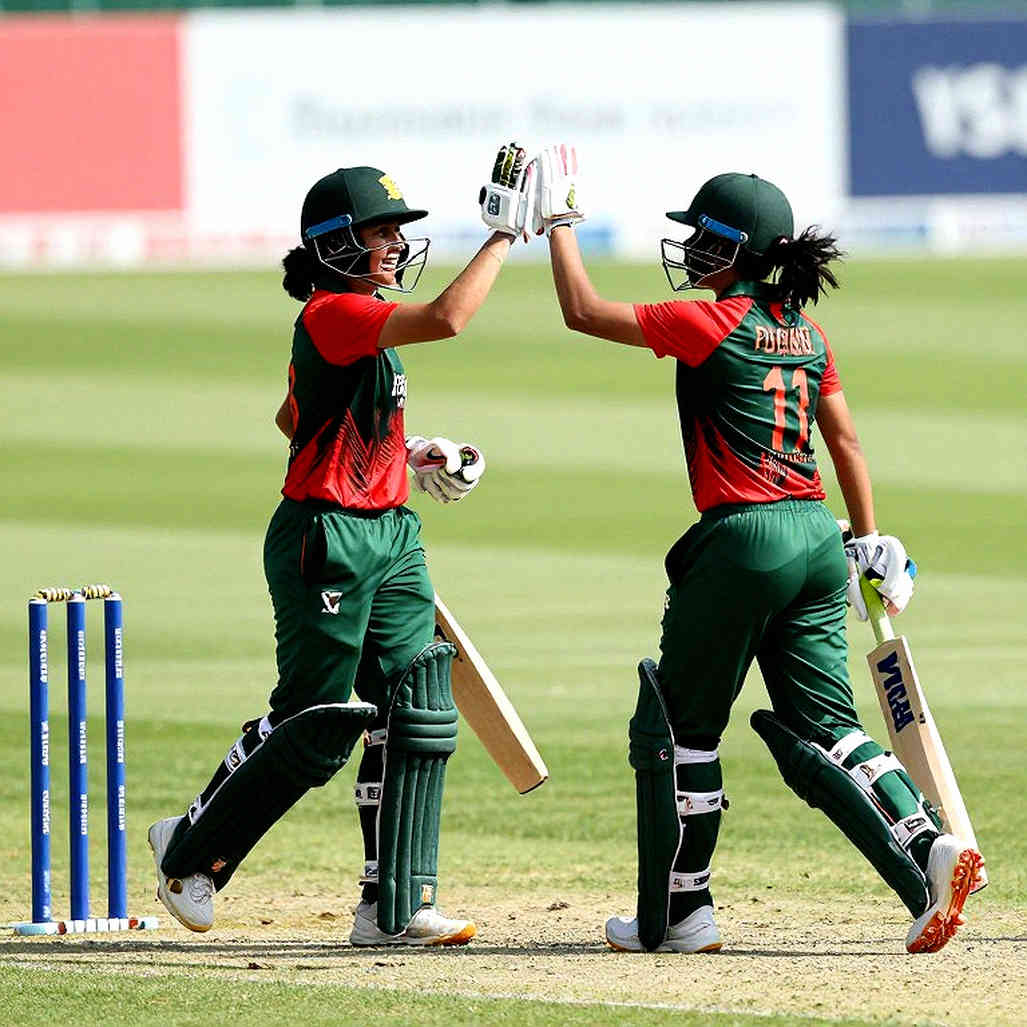
An A-team fixture has one job: it is a filter. Who goes into the next Test cycle, who does not. For India, that sits alongside preparation for SENA conditions — batting and bowling against the moving ball in seaming, bouncy, overcast weather. At Lincoln, India A picked four seamers: Kamboj, Nabi, Akash Deep, Mukesh Choudhary, with Washington Sundar and part-timers for spin.
That composition carries a trade-off that rarely gets discussed. Four seamers means a heavy four-day workload on New Zealand surfaces, which are physically expensive. And without a specialist spinner, there is no instrument for exploiting a wearing surface in the fourth innings. The final session exposed precisely that gap.
New Zealand pitches at this time of year behave in a familiar sequence: damp and seaming, then drying and flattening. 113 to 516 across two innings of the same match is the textbook version of that pattern. Keene took 5 for 24 and Gibson 3 for 29 in the first innings; the same attack looked far less sharp in the second. The surface changed, the ball changed, and the same batting line-up produced a different result.
That is where the first structural fact sits: India A lost this match in the first innings, not on the fourth day. 113 all out, a 204-run deficit. The fourth-innings drama is a child of that deficit, not its cause.
There is a detail inside the 113 that the innings total hides. The top scorer was Rathod with 44 not out — holding an innings together while others gave wickets away to the seaming ball. He followed it with 66. Two innings, two different conditions, one batter, the same kind of answer.

That is where the comparison with Padikkal's 199 comes in, and it does not favour Padikkal. The 199 was a fine innings, played on the easiest batting surface of the match, after a 204-run deficit, when the ball had stopped seaming. The real question about a top-order batter is this: can he survive the new ball when it moves? That test was available in this very match, in the first innings. The team made 113.
So the evidence on Padikkal is volume, not proof. It is not a Test indicator either; it is one first-class innings on a surface that was getting easier. Its relationship to short-format market value is close to zero, because franchise pricing is set by strike rate and death-overs execution, not first-class averages.
The shape of the 516 is telling too. Padikkal 199, Sudharsan 91, Rathod 66, Washington 52 — four separate contributions, all from the middle order. The collapse in the first innings came at the top. That is not a general batting deficiency; it is a specific structural vulnerability to lateral movement in the top three.
Declaration management belongs here as well. After 516, India A needed to leave themselves time — roughly 70 to 80 overs — to extract a result with two new-ball spells before the light went. New Zealand A scored 170 for 9 across a full day, a rate in the range of two and a half to three per over. On a slow, difficult surface, time is the real currency, and it ran out in the last hour.
The most translatable performance of the match was a bowling one. Nabi's match figures were 3 for 69 and 3 for 28. The final-day spell deserves method-level attention: attacking the stumps, using the width of the crease, changing the angle around the wicket for the left-hander. Not pace — line and angle. That kind of skill survives a change of conditions, which is what makes it the most valuable signal an A fixture can produce.
India A's fourth-innings bowling plan did collapse, and the collapse was about visibility, not tactics. As the light faded, the part-timer Padikkal came on and took his first two first-class wickets in this match. Mukesh Choudhary, a left-arm seamer, was seen bowling spin. That is not a considered plan; it is the compulsion of gripping a ball in bad light. Reading it as a tactical shift leads to the wrong conclusion.
Heaphy's 90 not out deserves honesty in both directions. It is a temperament signal. It is not a predictive one. Surviving ten overs with the last man requires composure, but it happened with the field spread, the target receding and the light worsening — the lowest-pressure form of fourth-innings batting available.
New Zealand A's own reading is clearer. 13 for 3 on the final day, 110 for 5 sliding earlier, and 170 for 9 at the end. On their own grounds, in their own seaming conditions, that top-order fragility against the new ball is a pattern rather than an accident.
Here the reporting and the analysis separate. Bad light is the single most consequential governance element in this match. Umpires' sole discretion, light-meter guidance, and the batting side's right to accept or decline an offer — within that framework, a match ended one wicket from a result with no misconduct by anyone.
The problem is that A-series regulations carry no reserve day. The 'one wicket short' outcome is therefore final and irreversible, a form of competitive-integrity asymmetry relative to major Test series, where the same drama could have rolled into an extra day.
The second counter-intuitive point: the draw flattered New Zealand A, not India A. With 17 overs left and one wicket needed, India A were clearly ahead. The light removed the most likely result.
But something larger sits underneath. India A lost the first two days decisively and won the next two decisively. The reading that India A were marginally the better side is wrong. This was a condition-determined match in which ownership changed as the surface changed. A side that made 113 and then 516 in the same match did not change its batting ability between innings; the environment changed.
The third point is spin. No specialist spinner took a wicket in either innings. The fourth-innings spin threat came from a part-timer. India's entire home Test structure rests on spin, which makes this gap worth flagging for medium-term planning — as a question to be tested in home A fixtures, not as a verdict from one match.
On KL Rahul, caution is required. The information has him fielding at first slip, and that is all. His absence from the scorers' list in either innings does not mean he failed; the list is not exhaustive. Sending a senior player into an A fixture usually signals a managed return pathway, not a form-based demotion. No conclusion is available here.
The commercial value of this match is close to nil; the sporting value is moderate. A-team fixtures carry negligible broadcast value and no audience pull, so the excitement they generate rests on selection, not market. That is exactly where the trap lies: one match, two innings, a pitch that changed character inside three days.
I watched this one on a grainy stream from Rangpur, scorecard and commentary side by side. My starting point was a rooftop, a notebook, and no broadcast rights. What the screen never shows is the age of the surface. Anyone impressed by 516 in the second innings is not asking questions about 113 in the first — and yet it is the same match, the same batting line-up. Limited access is not a limitation for me; it is a method — what the camera misses has to be found in the chronology of the scorecard.
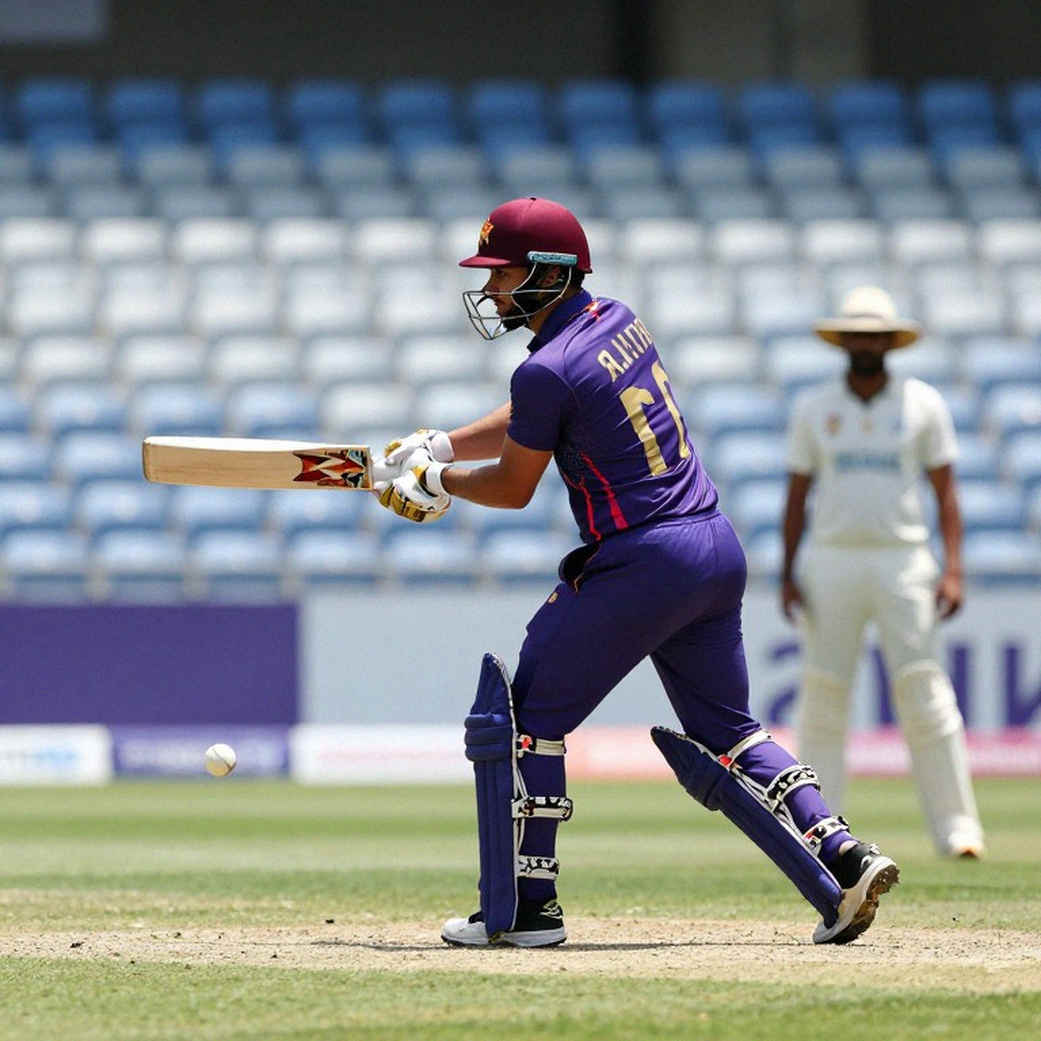
The half-space is not a secret; it is a delayed question. In cricket, that question is the corridor outside the fourth stump and the first six overs against the new ball. India A answered it with 113 here and avoided it with 516.
What to watch next is specific. Padikkal's next innings on a seaming surface — a score under 30 against lateral movement would make the technique question permanent. Nabi's economy on flat decks — above 3.5 and he becomes condition-dependent. Whether a specialist spinner is selected in the next fixture — if so, the spin-pipeline concern softens. And whether a reserve day is added to the series regulations; without one, another A match will be lost to the light, and selectors will decide on an innings that will never be reproduced.
The final question therefore points at the calendar rather than the scorecard. If 199 opens a selection door and 113 does not, what exactly are we measuring: the batter's capacity, or the mood of the surface?