
The Champion Absent Before a Ball Is Bowled: Pakistan's Masters World Cup Withdrawal and What Cannot Be Measured
পাকিস্তানের ওভার-৫০ দল ইন্টারন্যাশনাল মাস্টার্স ক্রিকেট বিশ্বকাপ থেকে প্রত্যাহার করেছে, কারণ পাকিস্তান ক্রিকেট বোর্ড অনুমতি দেয়নি। আয়োজক ভারত ভিসা ও উচ্চমানের নিরাপত্তার নিশ্চয়তা দিলেও পররাষ্ট্র ও স্বরাষ্ট্র মন্ত্রণালয়ের ছাড়পত্র মেলেনি; ডিফেন্ডিং চ্যাম্পিয়ন পাকিস্তানের জায়গায় বিকল্প দল নামবে। মূল তথ্য: - ফাওয়াদ ইজাজ (PVCA প্রধান) জানিয়েছেন, পিসিবি দলকে অনুমতি দেয়নি এবং আয়োজকদের আগেই প্রত্যাহারের কথা জানানো হয়েছে। - ভারত জানুয়ারিতে আসরটি আয়োজন করছে; পাকিস্তান গত আসরে শ্রীলঙ্কায় চ্যাম্পিয়ন হয়েছিল। - যাত্রার আগে তিন স্তরের ছাড়পত্র দরকার ছিল: পিসিবি, পররাষ্ট্র মন্ত্রণালয় ও স্বরাষ্ট্র মন্ত্রণালয়। - মোহসিন নকভি একই সঙ্গে পাকিস্তানের স্বরাষ্ট্রমন্ত্রী ও পিসিবির চেয়ারম্যান। - এর আগে এশিয়ান চ্যাম্পিয়ন্স ট্রফিতে ভারত সফরে যায়নি পাকিস্তান হকি ফেডারেশন; বাংলাদেশ দল প্রতিস্থাপন করেছিল। সূত্র: দ্য ট্রিবিউন (পাকিস্তানি ইংরেজি দৈনিক), ফাওয়াদ ইজাজের বরাত; মূল প্রতিবেদনে প্রকাশের তারিখ ও টুর্নামেন্টের সঠিক সূচি উল্লেখ নেই, তাই এসব তথ্য যাচাই-বাকি। সম্ভাব্য Search: প্রশ্ন: পাকিস্তান কেন মাস্টার্স বিশ্বকাপে খেলছে না? উত্তর: পিসিবি অনুমতি দেয়নি; নিরাপত্তা বা ভিসা সমস্যা নয়, কারণ স্বাগতিক পক্ষ নিশ্চয়তা দিয়েছিল। প্রশ্ন: এই প্রত্যাহারের প্রতিযোগিতামূলক প্রভাব কী? উত্তর: ডিফেন্ডিং চ্যাম্পিয়ন বাদ পড়ায় আসরের “বিশ্ব চ্যাম্পিয়ন” দাবির Weight কমে এবং শেষ মুহূর্তে বিকল্প দল নামাতে হয়। প্রশ্ন: এটি কি সিনিয়র দলের ভারত সফর সম্পর্কে কিছু বলে? উত্তর: সরাসরি নয়; প্রশাসনিক ট্র্যাক ও বাণিজ্যিক দায়বদ্ধতা আলাদা হওয়ায় এই সিদ্ধান্ত সিনিয়র পর্যায়ে অনুমান করা যায় না।
I keep one column empty in every tournament ledger. Its name is “absence.” Runs, balls faced, powerplay-middle-death splits, catches dropped — every other column fills with numbers. When a side withdraws its name before the first ball is bowled, that column holds a single dash. At the International Masters Cricket World Cup, the dash is the story. Pakistan's over-50s side will not play the January edition in India. They are the defending champions, having won the previous edition in Sri Lanka. The holder is out of the field before a ball is bowled.
The reporting rests on one named official: Fawad Ijaz, head of the Pakistan Veterans Cricket Association (PVCA). His account is that the Pakistan Cricket Board did not grant the team permission, and that the PVCA informed the organisers early so an alternate team could be arranged. The source references “Wednesday” and “January next year,” but carries no publication date and no confirmed tournament schedule. So I am splitting every claim into three buckets: measured, inferred, unknown.
Measured: Pakistan were defending champions; the last edition was in Sri Lanka; the PCB declined permission; the PVCA communicated the withdrawal; the host and organisers had assured visas and high-level security; clearance required three layers — the PCB, the Foreign Affairs ministry and the Interior ministry; and the final decision-maker, Mohsin Naqvi, holds the Interior Ministry and the PCB chairmanship simultaneously. Everything else — motive, pressure, messaging — is inference, and I label it as such.
A format caution belongs up front. Veterans and masters cricket is not played under ICC Test, ODI or T20 regulations. Overs per innings and playing conditions for this event are not stated. Nothing from this tournament can be benchmarked against ICC full-member ODI or T20 numbers; that would be a category error. There is no strike rate, no economy rate, no phase split here — only an administrative decision and its sourcing chain.
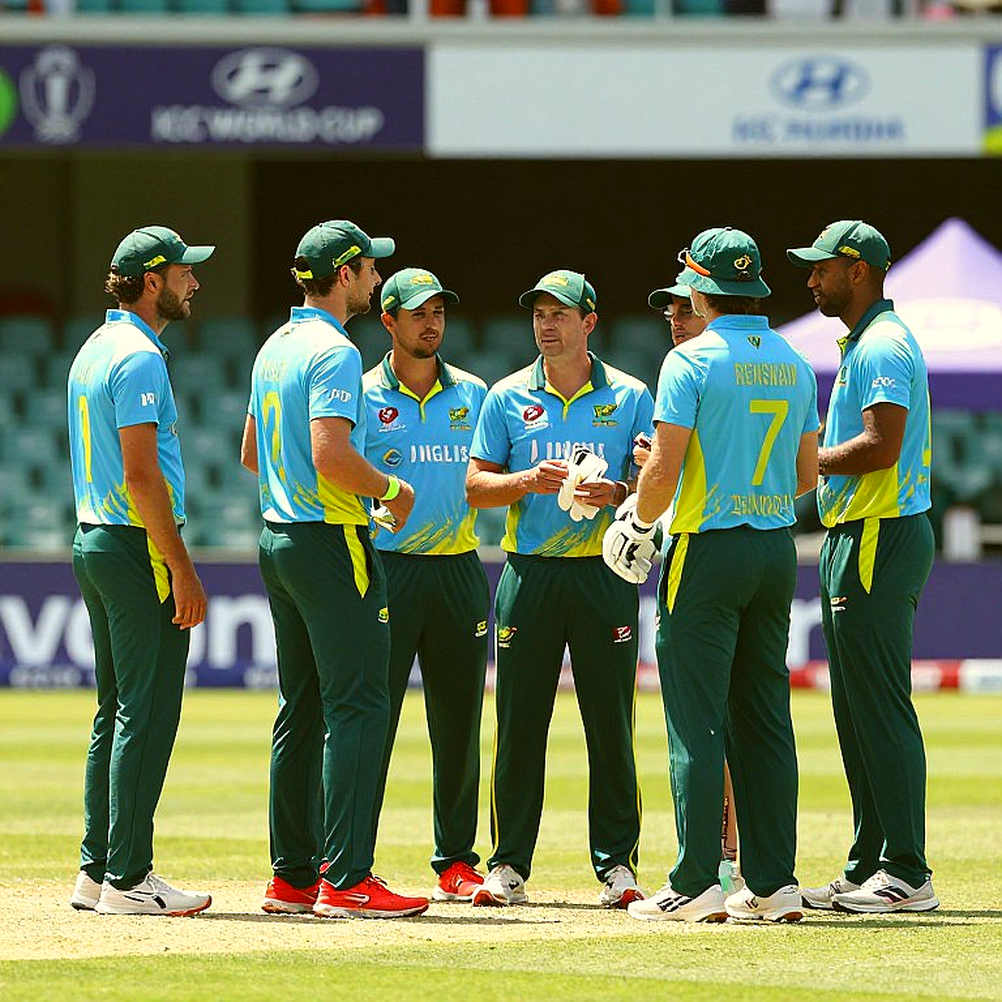
The background matters. The standing constraint in India-Pakistan cricket is that the two sides meet only at multi-nation events and neutral venues. Pakistan's title in Sri Lanka sits exactly inside that rule. So the question is not whether Pakistan will play India; it is whether Pakistan will play inside India — and that second condition is what failed.
The precedent is close. The Pakistan Hockey Federation recently declined to travel to India for the Asian Champions Trophy and was replaced by Bangladesh. Two federations, two sports, similar decisions in close succession. Statistically, that pattern fits coordinated policy better than two independent choices. The precedent, not the withdrawal, is the signal.
Now the ledger. The host had already assured visas and high-level security, and the team still did not travel. The binding constraint sat with the sending side, not with the host's capacity to stage safely. Sequence matters, because it determines which explanations survive.
Second, this is hard to read as a cricket board's independent judgement. The clearance chain places the board alongside the Foreign and Interior ministries, and the final decision-maker holds two offices at once. The “board decision” and the “state security decision” are not separate checks here; they converge in one room. That is the least-reported part of the story, and it touches the autonomy standard ICC membership rules are designed to protect.
Third, nobody is counting the competitive cost. In a small-field veterans event, losing the holder at short notice means an alternate entrant, a reshuffled draw, and a quiet asterisk against whoever lifts the trophy. No scorecard has a column for that asterisk, yet the tournament's claim to a legitimate world title loses weight precisely there.
Fourth, the relevant metric for this cohort is not output but continuity. Over-50s cricketers sit far beyond the conventional performance age curve; recovery, soft-tissue risk and heat tolerance are structurally elevated. No individual form or technique can be assessed — the source names two administrators and zero players. This cohort's continuity has now broken for administrative reasons, and because masters sides feed no national pathway, the loss is prestige and a forfeited title rather than talent.
Fifth, the commercial arithmetic is asymmetric. Broadcast value will not move. A decision that costs nothing financially has no market deterrent behind it, which makes repetition likelier than reversal.
This is where my own method comes back. In 2026 I logged every shot of all 64 World Cup matches by hand and refused to publish a chart until two independent feeds agreed. One missing entry changes the total while every other cell still looks correct. Twelve years of watching has taught me to log the boring runs, because that is where the match actually lives. This withdrawal is such an entry: invisible inside the play, decisive in the tournament's sum.
Now the steelman. The easy readings are that India's security or logistics failed again, or that Pakistan is politicising sport. The first is contradicted by the source itself: assurances had already been given. The second has the right direction and the wrong shape — this is state policy executed through a board, not a cricket judgement. And the blind spot is sourcing: one official's account, no PCB statement, no host comment. Motive stays at medium confidence.
Nor should one administrative decision be read as settled bilateral policy. Veterans and senior teams run on different governance tracks; senior ICC events carry commercial obligations an invitational does not. The withdrawal says nothing about the senior side's readiness to tour India, and claiming otherwise would be its own over-extrapolation.
What I will keep open in the ledger: whether the PCB states its reasons or stays silent; who the replacement side is and what that does to the title's weight; and whether the same template appears at the next India-hosted event where senior commercial stakes are live. The model did not change my mind; the hand-counted column did. When a champion disappears before the first ball, do we file it in the tournament's history — or outside it?