
A Cricket Report Cannot Be Published on Zero Information: Source Extraction Has Failed
মূল উত্তর: সরবরাহ করা নথি থেকে কোনো ক্রিকেট সিদ্ধান্ত দেওয়া যায় না, কারণ শিরোনাম, উৎস, দল, খেলোয়াড়, ম্যাচ ও প্রকাশের তারিখসহ তথ্য পয়েন্টের সংখ্যা শূন্য। মূল তথ্য: - তথ্য পয়েন্ট: ০টি। - Articlesের শিরোনাম ও উৎস: অনুপস্থিত। - দল, খেলোয়াড়, Format ও প্রতিযোগিতা: শনাক্ত হয়নি। - cricket_asia ট্যাগ আছে, তবে এটি প্রমাণ নয়। - প্রধান ঝুঁকি: শূন্য ইনপুট থেকে কাল্পনিক প্রতিবেদন তৈরি। উৎস: সরবরাহ করা Stage-2 বিশ্লেষণ নথি; প্রকাশের তারিখ অনুপলব্ধ। সম্পর্কিত প্রশ্নোত্তর: প্রশ্ন: Next বিশ্লেষণের জন্য কী দরকার? উত্তর: শিরোনাম, উৎসের ঠিকানা, প্রকাশের তারিখ এবং অন্তত পাঁচটি যাচাইযোগ্য তথ্য পয়েন্ট দরকার। প্রশ্ন: এখন কি কোনো দল বা খেলোয়াড়ের নাম বলা যায়? উত্তর: না, কারণ নথিতে কোনো সত্তার নাম নেই এবং অনুমানভিত্তিক নাম প্রকাশযোগ্য নয়।
Hook
The most important fact in this cricket analysis is missing: there is no match, team, player, score, publication date, or source URL. The supplied analytical document records zero information points. Yet a regional label, cricket_asia, remains attached to the file. That contradiction is the real story.

I opened a tactical thread and found a blank scorecard instead of a contest. There is no delivery speed, field setting, required run rate, injury update, or board decision to verify. A pixelated stream can still reveal hunger and pressure; this file contains no stream at all. Any attempt to call a team successful, a batter out of form, or a board responsible would turn assumption into news.
Context
The document presents itself as a cricket-analysis input, but its basic identity is absent. There is no title, source, publication date, article classification, author viewpoint, or central claim. No team, player, coach, board, league, venue, or tournament has been extracted.
The format is therefore unknown. It could concern a Test, one-day international, Twenty20 match, Asian tournament, domestic league, or cricket administration. Format matters at the foundation of cricket analysis. A Twenty20 death-overs economy rate cannot be interpreted like a Test first-innings average. Powerplay patterns, middle-over control, new-ball movement, and follow-on pressure belong to different analytical models.
The only surviving signal is the cricket_asia label. It may suggest a connection with the Board of Control for Cricket in India, the Pakistan Cricket Board, Sri Lanka Cricket, the Bangladesh Cricket Board, the Asian Cricket Council, the Indian Premier League, or an Asia Cup context. It remains only a category marker. A category cannot create a specific event.
Core insight
This is not a failure of cricket judgment; it is a failure in source extraction. The classification layer appears to have worked partially because the regional cricket label survived. The content layer did not. The original article has either failed to enter the pipeline or disappeared before Stage 2 received it.
That distinction matters. A team can be judged only when the score, match state, opponent, and conditions are available. A player can be assessed only with a role, sample size, performance numbers, and a relevant time period. A league can be evaluated only through identifiable rights income, salaries, auction prices, franchise values, or participation data. A rules story requires a governing authority, a decision, a disputed rule, and a date. None of those foundations exists here.
Match analysis is impossible for the same reason. There is no toss, venue, pitch report, weather, dew information, innings position, required run rate, or wickets-in-hand figure. The result-versus-process test cannot be applied because even the result is unknown. The document does not tell us whether a match was won by 20 runs, chased in the final over, abandoned, or never played.
Player analysis has no starting point. No player identity has been extracted, so role classification cannot begin. An opener, a Twenty20 finisher, a fast bowler, and a spin-bowling all-rounder require different evidence. No average, strike rate, economy rate, situational split, recent trend, workload record, or injury history is available. Adding a name would be fabrication.
Team analysis is equally blocked. Test, one-day, and Twenty20 rankings are separate systems, so an unqualified ranking claim would be meaningless. Home and away strength cannot be assessed without a venue and opponent. Batting depth, bowling balance, bench strength, and age structure require a named squad.
The commercial layer is empty as well. There is no league, contract, salary, auction price, broadcast-rights figure, or franchise valuation. Commercial value cannot be compared with sporting value when neither side has supplied evidence. In South Asian cricket, auction prices are often treated as proof of sporting quality, but this document contains no number that permits such a comparison.
Governance and integrity claims demand even greater discipline. There is no board, rule, allegation, punishment, or decision in the input. DRS disputes, no-ball controversies, anti-corruption issues, player release permissions, revenue sharing, and India-Pakistan cricket politics cannot be inserted simply because they are familiar regional themes. An integrity allegation built from an empty file would be irresponsible and potentially damaging.
Contrarian angle
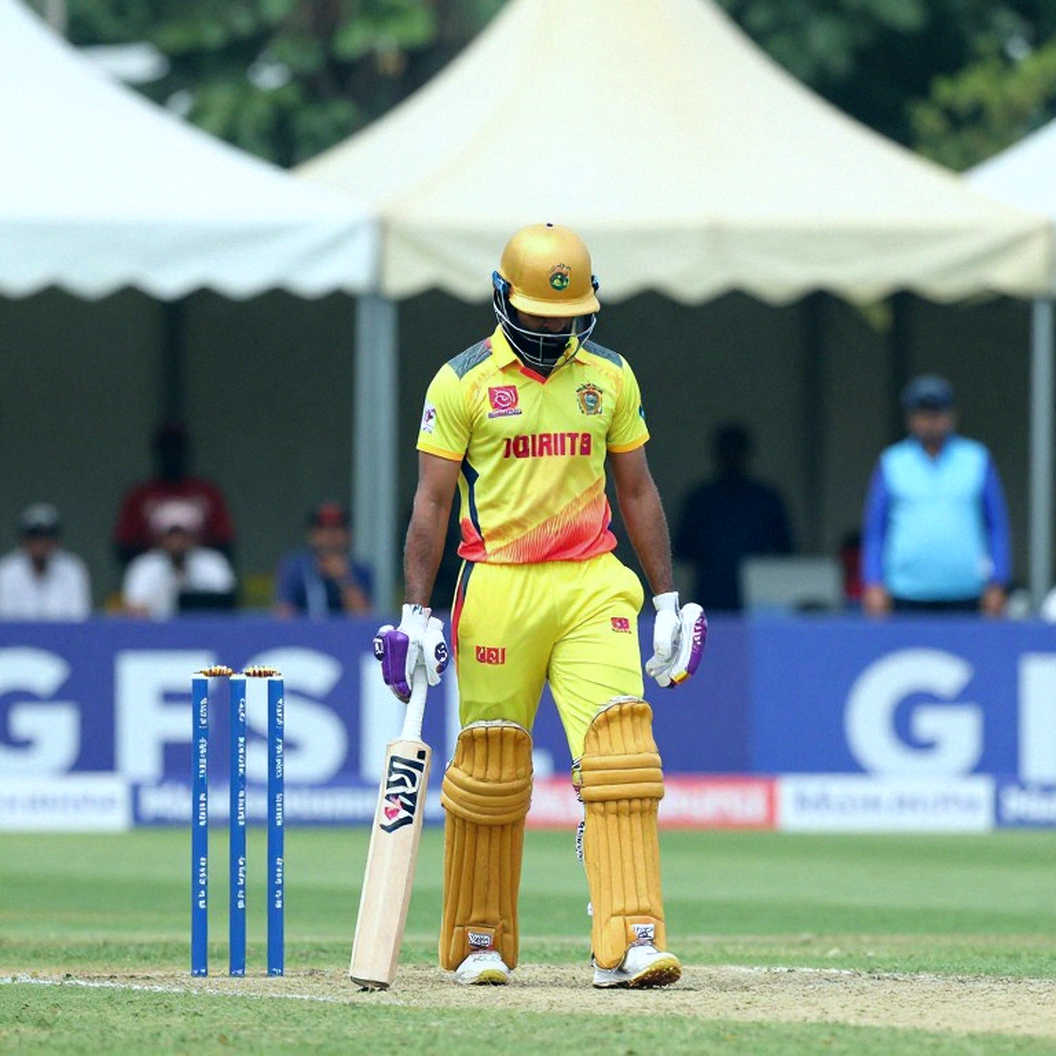
A predictable newsroom response would be to use the cricket_asia label as permission to write about an established regional storyline. An editor might choose the Asia Cup, the Indian Premier League, India-Pakistan rivalry, DRS, or board finances. These subjects sound plausible, but none has an evidentiary connection to the missing article.

Based on my years of watching matches and testing broadcasts against data, the most dangerous error is treating a likely context as a confirmed fact. A blank page can easily be filled with familiar South Asian cricket language. The result may sound informed while remaining completely detached from the source. In a courtroom, a regional label is not evidence. Cricket analysis follows the same rule.
The useful new finding is that the empty input itself reveals a pipeline problem. The information-point count is zero, while the domain label remains present. That pattern suggests a separation between classification and content extraction. Possible causes include a truncated source, a paywall, a JavaScript-rendered page, a translation failure, or a configuration error. These are hypotheses, not confirmed causes.
The recovery process should use a hard validation gate. A file should be rejected before Stage 2 if the title, source, or publication date is missing, if the information-point count is zero, or if fewer than five verifiable facts are available. A field being present in a data structure does not mean the field contains usable information. Without that check, polished prose can disguise a silent failure.
At minimum, the newsroom needs the original title, source URL, publication date, five or more information points, central claim, named entities, and source-quality details. Once those arrive, analysts can examine format, match phases, player roles, team position, commercial effects, governance questions, and risk. Until then, the responsible action is refusal rather than invention.
Takeaway
When the stadium emptied, I started hearing the game. Here, the source has supplied no sound at all. A second extraction should be run, and publication should wait until the file contains traceable facts. If at least five information points are recovered, a real cricket report can begin. Until that happens, this document belongs in pipeline quality assurance, not in the sports news queue.