
Two Pillars Crack Before the Clásico: Olmo's Four Weeks, Koundé's Ankle, and the Arithmetic of an Injection
মূল উত্তর: ২৬ অক্টোবরের ক্লাসিকোর আগে বার্সেলোনা দুই মূল খেলোয়াড় হারাচ্ছে। দানি অলমো চার সপ্তাহের জন্য নিশ্চিতভাবে বাইরে; জুলস কুন্দের বাঁ গোড়ালির গুরুতর মচকে খেলা অনিশ্চিত। ফলে ফ্লিকের উঁচু লাইনভিত্তিক পরিকল্পনা রিয়াল মাদ্রিদের ট্রানজিশন আক্রমণের সামনে দুর্বল হয়ে পড়ছে। মূল তথ্য: - দানি অলমো প্রায় চার সপ্তাহের জন্য বাইরে, ক্লাবের অফিসিয়াল চিকিৎসা বুলেটিনে নিশ্চিত। - জুলস কুন্দের বাঁ গোড়ালিতে গুরুতর মচক, ক্লাসিকোতে খেলা নিয়ে সন্দেহ; সূত্র মুন্ডো দেপোর্তিভো। - ২২ অক্টোবরে পিএসজির কাছে বার্সেলোনার ৪-২ হার, চার দিন পরেই ক্লাসিকো। - শাভি এস্কার্ট গোড়ালির অস্বস্তিতে বদলি হয়েছেন; ফ্রেঙ্কি ডি ইয়ং পিএসজির বিপক্ষে শূন্য মিনিট খেলেছেন। - ব্যথানাশক ইনজেকশন ঝুঁকি দূর করে না, স্থানান্তর করে; সিদ্ধান্ত খেলোয়াড়, Coach ও চিকিৎসক দলের যৌথ। তথ্যসূত্র: Goal.com, মুন্ডো দেপোর্তিভোর রিপোর্ট অবলম্বনে; প্রকাশ: ২২ অক্টোবর, ক্লাসিকোর আগের সংবাদ চক্র। সম্পর্কিত প্রশ্নোত্তর: প্রশ্ন: কুন্দে ক্লাসিকোতে খেলবেন কি? উত্তর: চূড়ান্ত সিদ্ধান্ত এখনো হয়নি; খেলোয়াড়, Coach ও চিকিৎসক দল মিলিতভাবে ঠিক করবেন, ব্যথানাশক ইনজেকশন শেষ বিকল্প হিসেবে থাকছে। প্রশ্ন: অলমোর অনুপস্থিতিতে ক্রিয়েটিভ Role কে নেবেন? উত্তর: লাইনের মাঝখানে বল বহনকারী কোনো নির্দিষ্ট বিকল্প নেই, তাই দায়িত্ব ভাগ হবে মাঝমাঠ ও প্রান্তের মধ্যে। প্রশ্ন: ইনজুরি সংকটে বার্সেলোনা কি ক্লাসিকোতে পিছিয়ে? উত্তর: রিয়াল মাদ্রিদের ফিটনেস Status অজানা, তাই একতরফা রিপোর্টের ভিত্তিতে এই সিদ্ধান্ত টানা যায় না।
A 4-2 defeat to Paris Saint-Germain on 22 October. Four goals into Barcelona's net, and the two people taking the most calls in the corridor afterwards were the club doctor and the team manager. Four days later, on 26 October, comes the Clásico against Real Madrid. On the La Liga table it is a six-pointer; in the medical room it is something more urgent than a table.
I begin with paperwork, not emotion, so the first task is to separate three tiers. Dani Olmo is out for around four weeks — that is the club's official bulletin, the firmest tier. Jules Koundé is a doubt for the Clásico with a severe left ankle sprain — sourced to Mundo Deportivo, a single-source report. And "the coaching staff are pessimistic", "a pain-killing injection is on the table" — those are the author's reading, not documents. Mix the three tiers together and you misread the whole picture before kickoff.
Hansi Flick's model is neither new nor mysterious. The back line sits near the halfway line; the space between it and the goalkeeper is covered by two things — centre-back recovery pace and full-back one-versus-one defending. The model does not succeed on one player. It succeeds on a chain: when the front press breaks, the second line steps up, and the defensive line stays exactly as high as it can handle.
Real Madrid are the most suitable opponent for breaking that chain. They do not compete for possession, they release the ball — then attack the space behind with speed at the moment of turnover. In big matches they defend in a compact block and give nothing between the lines. Barcelona therefore need two distinct assets: a creator who can receive between the lines, and a defender who can cover the space behind a high line. On the night of 22 October, neither was secure.
The calendar is not mere background either. Europe on Wednesday, the Clásico on Sunday — three days between. Recovery does not happen in those three days; only separation is created. For a squad that has already lost defensive cover, that separation looks small in numbers and large in effect.
Nor is this an ordinary league fixture. Barcelona and Real Madrid are both title contenders, and a direct meeting moves the points gap in two directions at once. The availability crisis has landed at the highest-leverage moment of the domestic calendar, where one result can rewrite the arithmetic of a season.
In September 2026, as a first-year student at Rajshahi University, I opened a ledger covering 132 Bangladesh Premier League fixtures and the minutes of 214 domestic players. One number came out of it: players under 23 received only 9.6 percent of available league minutes, while champions Abahani Limited Dhaka fielded a starting XI averaging 28.4 years of age. I opened the district ledger and found a boy; opening Barcelona's medical bulletin today I find only a list of absences.
Four weeks without Olmo means at least four matches, probably six — Real Madrid in the league, two more domestic opponents, and a European night. The profile being lost is not a scorer but a vertical ball-carrier between the lines — the simplest tool for breaking a compact block. Real Madrid set exactly that block in big matches. With Olmo, Barcelona could overload midfield and enter the gap between the lines; without him, the ball travels wide, and the route from wide into the middle closes.
There is no data in this story — no xG, no PPDA, no progressive carries, no touches between the lines. So I am describing the impact of Olmo's absence, not quantifying it. The difference is not small.
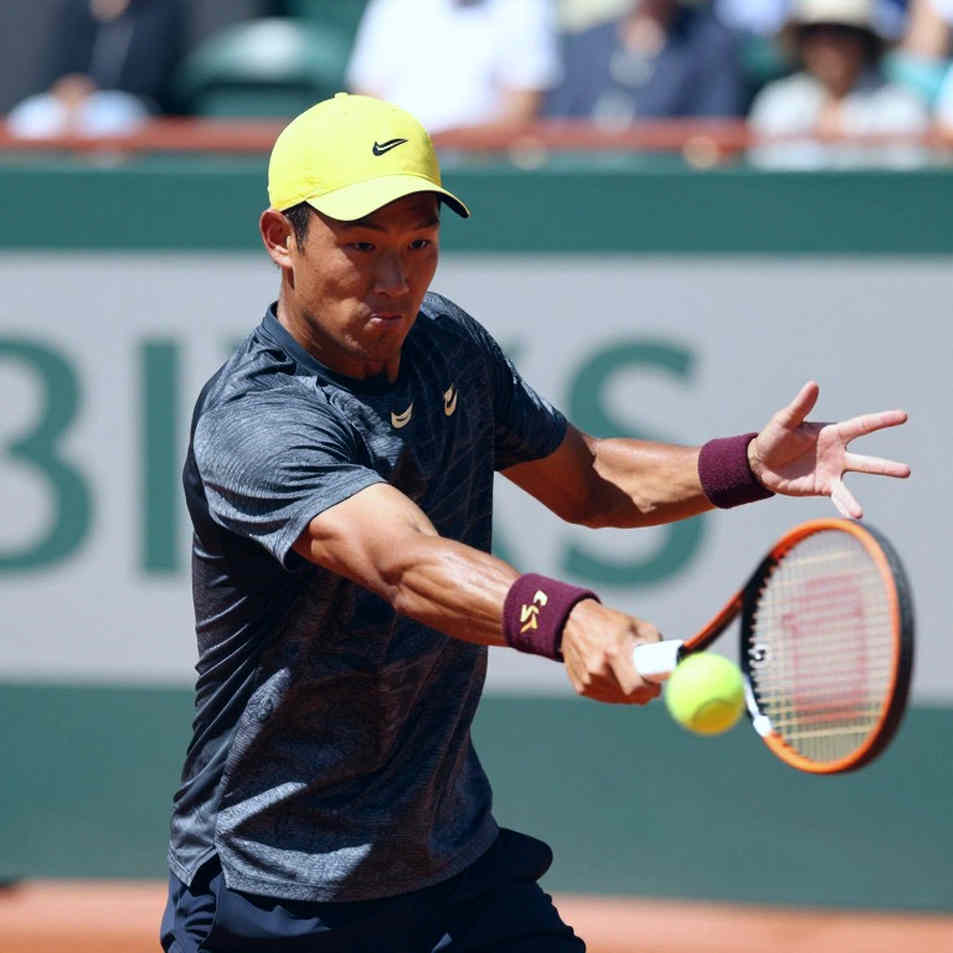
The bigger Clásico loss, though, is Koundé. A high line stands on two feet: recovery speed and one-versus-one defending. Koundé is 27, precisely at his peak; a severe ankle sprain at that age raises not only the question of one match but the timetable for regaining acceleration. If he does not play, the back line opens directly onto transition, and the opponent is already built to run into that space.
Flick has two paths and both cost something. Drop the line and reduce the space — the press breaks, and a broken press gives Real Madrid time to carry the ball forward. Or keep the line high with whoever is available — more risk, but the character of the match stays in your hands. In a Clásico the second path is likelier, and it is the more dangerous one.
The mitigation chain has collapsed inside the same news cycle. Xavi Espart was the intended patch for exactly this gap; he came off himself with ankle discomfort. Flick publicly floated Frenkie de Jong as a back-line option; against PSG he played zero minutes. Zero minutes is not a sentence, it is a statement — a coach showing options outward while privately unconvinced by them.
A pain-killing injection is not a solution, it is a transfer of risk. It converts "definitely out" into "may aggravate"; the gain is one match, the potential cost six weeks. Koundé dislikes anaesthetic injections — a fine detail, and a meaningful one, because the decision is shared among player, coach and medical staff rather than imposed by the club. A consent-driven process is the right process; the question is whose name sits on the paperwork if the injury worsens anyway.
In July 2026, in my first professional post as a player-development consultant at a Dhaka Premier League club, I blocked a permanent move for a 19-year-old winger and negotiated a season-long loan carrying a written 900-minute guarantee; he finished on 1,140 minutes and four assists. That window taught me a rule: a commitment with no number attached carries no accountability. A life reduced to a clause — and nobody writes that clause for an injection.
There is a further layer the report omits. Koundé is French, Olmo Spanish — both internationals. A four-week absence travels beyond the club into international-window selection and load management, where the question stops being who plays and becomes who rests.
The headline says Flick's plans have been upset. The headline is not information; it is expectation management. Two injury updates inside one news cycle do not make a crisis — they make a snapshot. The story resolves itself the moment the team sheet drops: if Koundé plays, it evaporates; if he does not, it peaks.
The 4-2 is a one-match sample as well. Without underlying data, "form collapse" is not a supportable claim from that scoreline; all that can be said is that PSG found space behind the line. And the reporting is one-sided — Real Madrid's own availability appears nowhere. Declaring Barcelona disadvantaged without the opponent's injury list is not arithmetic, it is assumption.
The real story is not this Sunday. It is the depth of Barcelona's defence: when the fallback chain runs from Espart down to De Jong, the ceiling of the team is set by the bench rather than the first XI. Every academy is a dig site and every release is an artifact — and asking an academy boy to carry a senior's responsibility on a Clásico night is both an opportunity and evidence of a planning weakness.
In our domestic ledger we count minutes but never record medical decisions. Which player went out on a pain-killer, who signed that off — that information lives nowhere. Europe does not document the injection either; the difference is that journalists there at least ask the question. I do not chase rumours; I excavate the paperwork beneath them. The most important document before this Clásico is the one nobody is writing.
The team sheet on 26 October is therefore not a list of names but a policy decision. Watch where the first substitution comes at the 60th minute — Flick's real fear will be visible there. And if Koundé starts and comes off midway, the arithmetic belongs not to one match but to the next six weeks. The question, in the end, is a single one: who signs off on the injection?