
Gabriel's Departure: An Instagram Video, an Incomplete Contract Story, and FIFA's Article 19
**মূল উত্তর:** ম্যানচেস্টার ইউনাইটেডের ১৬ বছর বয়সী academy footballer জেজে গ্যাব্রিয়েল নিজে ক্লাব ছাড়ার ঘোষণা দিয়েছেন। রিয়াল মাদ্রিদে জানুয়ারিতে যাওয়ার খবর ‘media reports’ ভিত্তিক; কোনো ক্লাবের আনুষ্ঠানিক বিবৃতি নেই, আর ফিফার ১৯ নম্বর ধারার আইনি প্রশ্ন অমীমাংসিত। **মূল তথ্য:** - গ্যাব্রিয়েলের বয়স ১৬; তিনি ম্যানচেস্টার ইউনাইটেড academy-এর খেলোয়াড়। - সেপ্টেম্বরে বিদায়ের অনুরোধের পর তিনি ওল্ড ট্র্যাফোর্ডে প্রশিক্ষণ নেননি বলে সংবাদমাধ্যম জানায়। - রিয়াল মাদ্রিদের সঙ্গে চুক্তি ও জানুয়ারির signing—দুই দাবিই অস্পষ্ট সূত্রভিত্তিক। - ফিফা RSTP-এর ১৯ ধারা সাধারণত ১৮ বছরের কম বয়সী International স্থানান্তর নিষিদ্ধ করে; ব্যতিক্রম সীমিত। - ইউরোপীয় পাসপোর্ট থাকলেও post-Brexit ব্রিটেন-স্পেন স্থানান্তরে EU/EEA ব্যতিক্রম স্বয়ংক্রিয়ভাবে প্রযোজ্য নয়। **সূত্র:** স্টেজ-১ ডিকনস্ট্রাকশন, প্রকাশকাল ১৭ নভেম্বর (মূল সূত্রে বছর উল্লেখ নেই)। **সম্পর্কিত প্রশ্নোত্তর:** প্রশ্ন: গ্যাব্রিয়েল কি ইতিমধ্যে রিয়াল মাদ্রিদে যোগ দিয়েছেন? উত্তর: না; শুধু সংবাদমাধ্যমে ‘expected’ ও জানুয়ারির অভিপ্রায়ের কথা বলা হয়েছে, কোনো ক্লাব তা নিশ্চিত করেনি। প্রশ্ন: ফিফার ১৯ ধারা কী? উত্তর: ১৮ বছরের কম বয়সী খেলোয়াড়ের International স্থানান্তর সাধারণত নিষিদ্ধ করে, কিছু সংকীর্ণ ব্যতিক্রম ছাড়া। প্রশ্ন: ইউরোপীয় পাসপোর্ট কি স্থানান্তর সহজ করে? উত্তর: কাজের অনুমতিতে সহায়ক হতে পারে, কিন্তু ফিফার minor transfer শর্ত পূরণ করে না।
On Tuesday, JJ Gabriel, a 16-year-old academy footballer at Manchester United, posted a video on Instagram. In it, he said, “I am leaving this club.” Media headlines then carried the “expected Real Madrid move.” But at that moment, neither Manchester United nor Real Madrid had issued an official statement. A teenager’s Instagram post was the only primary source. The first lesson of journalism is that an announcement is not a contract. In this story, that distance is the biggest story.
The next day, media reports arranged the story into three claims: Gabriel asked to leave in September; Manchester United reached an agreement with Real Madrid; and Real Madrid intends to sign him in January. The first claim is supported by Gabriel’s own announcement. The second rests on an unspecified source called “media reports.” The third is an intention, not a confirmed event. The word “expected” is a good warning sign in journalistic language, but to readers it often becomes “almost certain.”
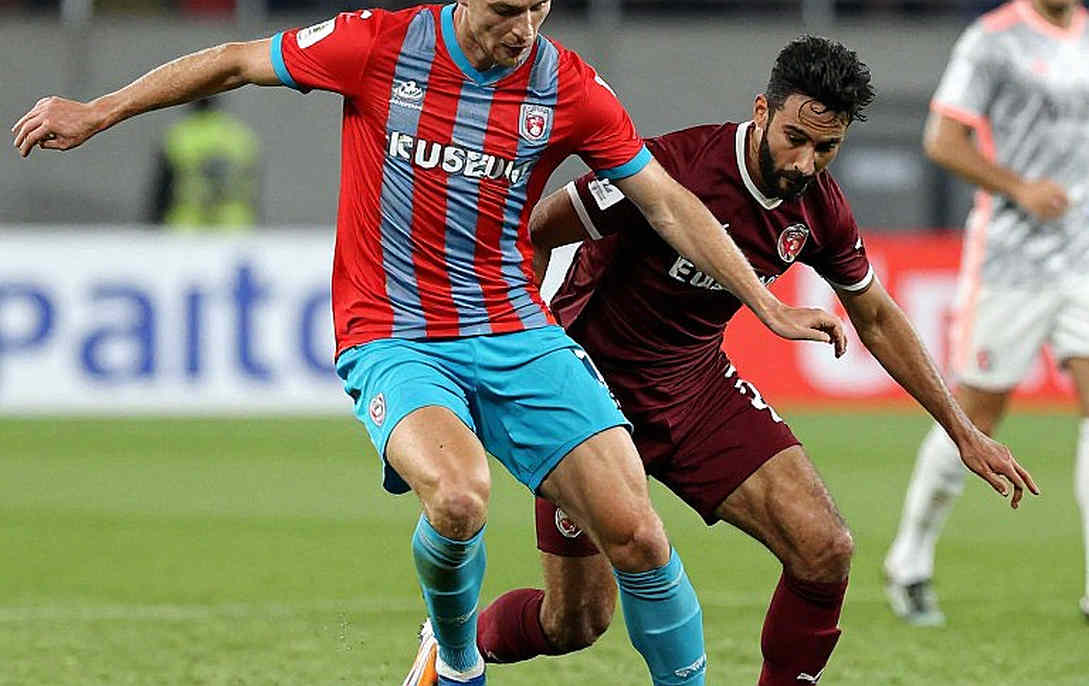
I have watched European youth football for years—often on streams, sometimes through reports. In youth football, paperwork matters as much as talent. For a 16-year-old, the word “transfer” is often used incorrectly. At that age, many players do not even have a professional contract; they have an academy registration, a scholarship agreement, and a club’s development pathway. So what is meant by “an agreement with Real Madrid” could be a compensation agreement, an offer of a first professional contract, or merely a preliminary understanding. These three are not legally the same.
This is where Article 19 of FIFA’s Regulations on the Status and Transfer of Players (RSTP) becomes relevant. The general rule is that international transfers of players under 18 are prohibited, with limited exceptions. Those exceptions include: the player’s parents move to the new country for non-football reasons; a 16-17-year-old moves within the European Union or EEA; the player lives within 50km of a border; or the player is a refugee. Here the “European passport” question arises. Gabriel reportedly qualifies for a European passport through both parents. But having a passport and falling under an Article 19 exception are two different things.

Since January 1, 2026, Britain has been outside the European Union. So a 16-year-old’s move from Manchester United to Real Madrid does not fall “within the EU/EEA”; it is a move from a third country into the EU. Therefore the EU/EEA exception in Article 19(2)(a) does not automatically apply. A European passport may help with a work permit or registration in Spain, but it is not a key to bypass FIFA’s minor transfer rules. If the parents move to Spain for non-football reasons, a different exception under Article 19(2)(b) might apply. But that fact is not public. The media’s legal explainer has not made this distinction clear.
When I built the Bangladesh Premier League contract ledger in 2026, I started with a single contract and ended with a league-wide ledger. I am doing the same here. In Gabriel’s case, the first question is: what is his current status? Is he registered in Manchester United’s academy, or on a scholarship? In England, a scholarship generally begins at 16, while a professional contract comes at 17. In Spain, professional registration is possible at 16. That age difference may be one of the practical reasons for the move. At Real Madrid he would not only get playing opportunities; he would also enter a professional contractual framework. At Manchester United, that opportunity is still a year away.
So what does “an agreement with the club” mean? One possibility is that Manchester United has agreed to receive training compensation. Under FIFA rules, when a player signs his first professional contract, clubs that contributed to his development are entitled to training compensation. For a 16-year-old, that compensation may not be a large sum, but it is a legal obligation. Another possibility is that the two clubs have reached a conditional agreement, with the transfer subject to January clearance. The media used the word “agreement,” but did not disclose its type, conditions, or amount. This is an incomplete contract story.
The first page was routine; the second page was a confession. The Instagram video is the first page—an emotional farewell. The second page, which has not yet become public, is the real confession: club registration, FIFA clearance, Spanish league approval, parental work permission, and the training compensation calculation. If any one of these five steps fails, the January transfer can stall. The media has not yet read that second page. It has read only the emotion of the first.
There is another dimension—the player’s training and welfare. Media reports claim that after asking to leave in September, Gabriel has not trained with the team at Old Trafford. If that claim is true, it is a serious matter. A 16-year-old going months without training is a risk to his development. The club’s duty of care is called into question. If the claim is false, the media’s lack of verification is exposed. That is why an official club statement is necessary. So far Manchester United is silent, and Real Madrid is silent. Silence is the biggest uncertainty in this story.
The transfer market is a shadow bank—agents, intermediaries, and no regulator. The youth transfer market is even more opaque. Here the role of agents, the influence of parents, and the club’s academy system work together. In Gabriel’s case, his parents reportedly hold European passport eligibility, but its legal relevance is unclear. Having a passport does not mean all FIFA conditions are met. And without a passport, a transfer may still be possible under another exception. This complexity weakens the media’s simplified explanation.
One counter-intuitive point is that the center of this story is not Real Madrid’s appeal, but FIFA’s regulatory system. The media wants to present it as “a prodigy’s dream move.” But for a 16-year-old, it is a legal obstacle course. Does Real Madrid’s desire make him eligible? No. The club’s will, the player’s will, and FIFA’s approval are three separate layers. The media’s word “expected” collapses these three layers into one. Readers think the transfer is almost done; in reality, it has not even begun.
A second counter-intuitive point is the excessive emphasis on the European passport. A passport gives the player an EU citizenship identity, but FIFA’s minor transfer rule is a separate legal regime. The Article 19 exceptions are specific and narrow. Because Britain is not in the EU, the 16-17 EU/EEA movement exception does not apply here. So to put Gabriel’s transfer on a legal footing, another exception must be relied upon—such as parental relocation for non-football reasons. That information is not public. The media report has not filled this gap.
Before January, there is another question: when will the player’s registration take effect? Spain’s winter transfer window generally opens in early January and closes in early February. But the minor clearance process can take time. Obtaining FIFA’s International Transfer Certificate (ITC), approval from the Spanish league authorities, and settling possible training compensation—all can take weeks. “Signing in January” is a target, not a guaranteed timetable. The media has not said so.
What is Manchester United’s position? The club has still said nothing officially. Losing an academy talent is difficult, but for a 16-year-old, the club’s legal options are limited. If the player has not signed a professional contract, he cannot be held. The club can only claim training compensation. This reality may explain the club’s silence. Real Madrid’s silence is also understandable—announcing a deal before it is complete is risky.
So what is certain in this story? Certain—Gabriel is leaving Manchester United, and he announced it himself. Uncertain—the agreement with Real Madrid, the January transfer, the legal role of the European passport, and the claim that training has stopped. The media report mixes confirmed and unconfirmed information. Readers should take the headline’s “expected” seriously. Journalism’s duty is not only to report the news but also to say how certain each fact is.
This story matters to me for another reason. In the 2026 Russia World Cup forensic audit, I matched 2,318 pages of U.S. DOJ FIFA exhibits against FIFA’s financial report. I saw that behind big announcements are small contract calculations. Gabriel’s case is small in that sense, but methodologically the same. An Instagram video, a vague media report, and a legal article—the interaction of these three will be settled next January.
From a contrarian view, the “Real Madrid move” the media has constructed will probably come true soon. But it has been presented as true before it became true. In that haste, the player’s interests, the clubs’ responsibilities, and the complexity of FIFA rules are obscured. We should show more patience in discussing a 16-year-old’s career. Especially when no club has said anything officially.
At the end of January, we will know whether the word “expected” came true for Gabriel, or whether this will be remembered as an incomplete announcement. If the transfer happens, it will set a post-Brexit precedent: how a 16-year-old’s move from a British academy to a European club can comply with FIFA rules. If it does not, the question will remain: why was a 16-year-old left in uncertainty for months? Manchester United, Real Madrid, and FIFA should answer. Because when the stadiums went empty, the contracts stayed loud.